
Benefits of Private Dining for Business Meetings: Guide
Benefits of Private Dining for Business Meetings: Guide
Private dining for business meetings is a hospitality format that gives groups a dedicated, enclosed space where curated meals, professional amenities, and attentive service combine to elevate corporate gatherings beyond standard conference rooms or open restaurants. This guide covers privacy and productivity, networking and relationship building, venue amenities and services, selection criteria, meeting-type adaptability, cost considerations, and how Bayshore Club in Coconut Grove brings these elements together.
Dedicated rooms eliminate background noise and foot traffic, giving attendees full control over lighting, seating, and course pacing so discussions stay focused and confidential. That environmental control turns meals into structured working sessions where presentations sync with service and sensitive topics stay behind closed doors.
Sharing a meal in a secluded setting accelerates trust and rapport in ways screens and conference tables cannot. Comfortable atmospheres lower social barriers, and thoughtful seating arrangements (round tables, banquettes, U-shaped layouts) shape how freely conversation flows between clients, partners, and colleagues.
Leading private dining venues now bundle audiovisual equipment, dedicated event coordinators, and inclusive menus featuring gluten-free, plant-forward, and nonalcoholic options as standard offerings. These amenities let hosts concentrate on meeting objectives rather than operational logistics.
Choosing the right venue means evaluating location accessibility, ambiance, and professional infrastructure before booking. Proximity to transit, ADA compliance, and reliable Wi-Fi carry as much weight as waterfront views or architectural character.
Private dining adapts to team-building dinners, client negotiations, and executive strategy sessions, each benefiting from the intimacy and exclusivity a dedicated room provides. Cost structures typically center on per-guest food and beverage minimums, with off-peak timing and set menus offering the strongest value.
Why Is Private Dining an Effective Choice for Business Meetings?
Private dining is an effective choice for business meetings because it combines privacy, exclusivity, and a controlled environment into a single venue. The sections below explore how these elements enhance communication, impress clients, and sharpen meeting productivity.
How Does Privacy Enhance Communication Among Attendees?
Privacy enhances communication among attendees by eliminating the distractions and noise that come with open restaurant floors and shared conference spaces. When conversations happen behind closed doors, participants speak more candidly about sensitive topics, such as financials, strategy shifts, or partnership terms.
A secluded dining room also reduces the self-consciousness that often stifles honest dialogue in public settings. Attendees who feel shielded from outside observers tend to ask tougher questions and offer more direct feedback. According to a 2025 Booking.com for Business report on corporate event statistics, 68% of attendees value personalized event experiences, expecting events to reflect their individual goals rather than offering generalized programming. That expectation starts with a space where people feel comfortable enough to engage openly. For business meetings where the quality of discussion determines the outcome, privacy is not a luxury; it is a functional requirement.
What Role Does Exclusivity Play in Impressing Clients or Teams?
Exclusivity plays a significant role in impressing clients or teams because it signals intentionality and respect. Reserving a private dining space communicates that the host values the relationship enough to invest in a curated experience rather than defaulting to a standard conference room.
This perception carries weight during client-facing moments. A dedicated setting with attentive service, refined cuisine, and a distinctive atmosphere elevates the interaction beyond a transactional meeting. The effect is amplified when the venue itself carries character; a waterfront location in Coconut Grove, for instance, leaves a stronger impression than a generic hotel ballroom. Exclusivity also reinforces internal morale. Teams invited to a private dining event feel recognized, which strengthens loyalty and engagement. In my experience, the meetings that produce the best long-term outcomes are the ones where every attendee feels the setting was chosen specifically for them.
How Does a Dedicated Space Improve Meeting Focus and Productivity?
A dedicated space improves meeting focus and productivity by giving attendees full control over the environment. Without foot traffic, background music from a main dining room, or interruptions from other patrons, the group maintains a tighter conversational rhythm.
Practical elements matter here as well. Private dining rooms typically allow hosts to manage lighting, seating arrangement, and pacing of meal courses around the agenda. According to a 2025 Booking.com for Business report, the average corporate event lasts roughly four hours, making timing and flow critical for sustained engagement. A private room lets the host synchronize food service with presentation segments, breakout discussions, or decision points. That level of coordination is nearly impossible in a shared space. For businesses that treat meetings as revenue-driving investments rather than routine obligations, a dedicated dining room offers the structural control needed to maximize every hour.
Beyond logistics, understanding how the right amenities and services further elevate a private dining experience is equally important.

How Can Private Dining Improve Networking and Relationship Building?
Private dining can improve networking and relationship building by removing social barriers, encouraging genuine conversation, and creating shared experiences around food. The following subsections cover comfortable settings, trust-building meals, and seating strategies.
In What Ways Does a Comfortable Setting Foster Stronger Connections?
A comfortable setting fosters stronger connections by reducing formality-driven tension and encouraging open dialogue. When guests feel physically at ease in a well-appointed private space, conversations shift naturally from transactional exchanges to meaningful relationship building.
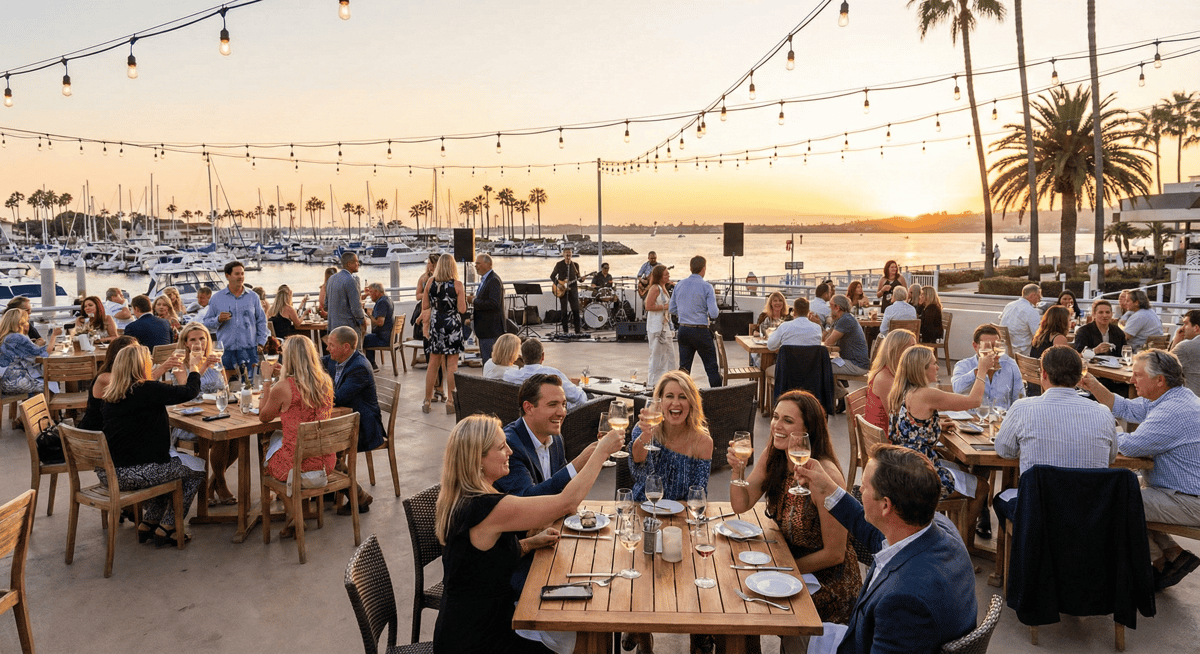
Soft lighting, controlled noise levels, and attentive service create an environment where professionals lower their guard. Unlike crowded restaurant floors or sterile conference rooms, a private dining room in a venue like Bayshore Club in Coconut Grove offers an intimate waterfront atmosphere that puts guests at ease. This relaxed dynamic is where lasting business partnerships often begin, because people connect more authentically when they feel welcomed rather than evaluated.
How Does Sharing a Meal in a Private Environment Build Trust?
Sharing a meal in a private environment builds trust by creating a personal, unhurried experience that signals mutual respect. Breaking bread together is one of the oldest forms of social bonding, and a secluded dining setting amplifies that effect by eliminating outside distractions.
According to a Booking.com for Business report on corporate event statistics, 89% of attendees prefer attending events in person rather than virtually, valuing physical gatherings for their spontaneity, relationship-building potential, and immersive environments. Private dining elevates this preference further; when clients or colleagues share a curated meal without interruptions, the experience demonstrates investment in the relationship itself. That kind of intentional hospitality is difficult to replicate through screens or in generic meeting spaces.
What Types of Seating Arrangements Support Better Interaction?
The types of seating arrangements that support better interaction include:
- Round tables encourage equal participation because no single seat holds a "head of table" position.
- Banquette-style seating creates a relaxed, social atmosphere ideal for smaller groups of four to eight.
- U-shaped configurations allow a presenter or host to address the group while still maintaining conversational proximity.
- Long communal tables work well for team-building dinners where cross-conversation between colleagues is the goal.
Choosing the right layout depends on the meeting's purpose. Negotiations benefit from round tables that balance power dynamics, while team celebrations thrive at communal setups. Thoughtful seating turns a private dining event into a catalyst for the connections that follow.
What Amenities and Services Do Private Dining Venues Offer for Business Events?
Private dining venues offer amenities and services such as audiovisual equipment, personalized event coordination, and customizable menus with dietary accommodations. The sections below cover presentation tools, dedicated service, and special menu options.
Which Audiovisual or Presentation Tools Are Commonly Available?
The audiovisual and presentation tools commonly available at private dining venues include built-in projectors, large-format display screens, wireless microphone systems, and high-speed Wi-Fi. Many venues also provide HDMI and USB connectivity for laptop presentations, along with integrated sound systems for seamless speaker transitions. According to a 2025 Lighthouse Newport Beach report, waterfront event venues now provide dedicated teams for flawless execution, transforming corporate events into experiences rather than just meetings. Bayshore Club in Coconut Grove provides this level of personalized event coordination, with dedicated staff who manage every aspect of private dining experiences, from audiovisual setup to course timing, allowing hosts to focus entirely on their meeting objectivesFor business meetings that involve client pitches or quarterly reviews, confirming A/V capabilities during the booking process prevents last-minute technical issues that can derail an otherwise polished presentation.
How Does Personalized Service Enhance the Meeting Experience?
Personalized service enhances the meeting experience by assigning a dedicated event coordinator who manages every detail, from room configuration to timing courses around the agenda. According to TripleSeat data, venues host an average of 30 events per month and welcome approximately 52 attendees per event, with hosts traditionally spending $130 per guest. That volume of event management produces experienced staff who anticipate needs before they arise. When a venue's service team handles logistics like coat check, name cards, and beverage pacing, the host can focus entirely on the meeting's objectives rather than operational distractions.
Which Special Menu Options or Dietary Accommodations Are Typically Provided?
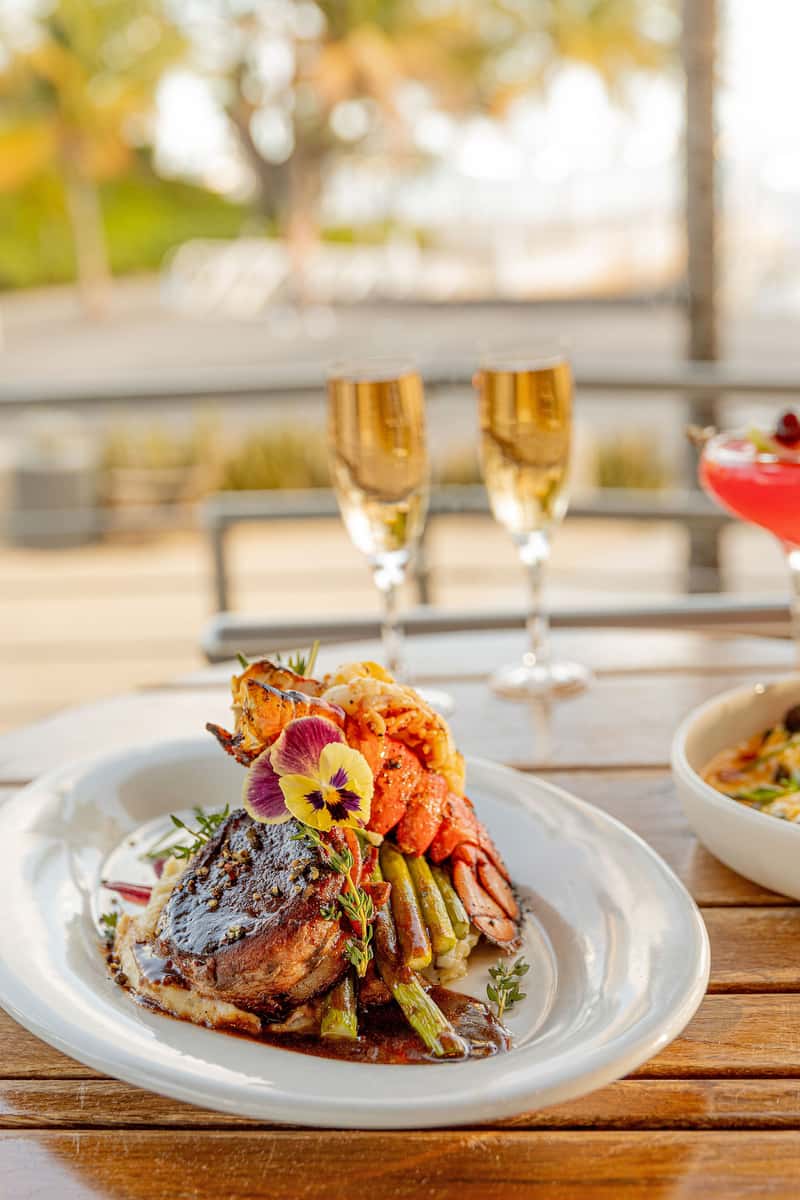
The special menu options and dietary accommodations typically provided include gluten-free, dairy-free, nut-free, vegetarian, vegan, and plant-forward dishes. According to a 2026 Pleasantdale Chateau corporate catering trends report, accommodating dietary needs has become a standard offering, with modern menus designed with inclusivity in mind. Nonalcoholic beverage programs are also expanding to meet growing demand. Customizable seafood offerings, such as raw bar selections with oysters and seasonal catches, add a distinctive element for business hosts seeking memorable culinary experiences. Confirming dietary needs with your venue at least one week before the event ensures the kitchen can prepare thoughtful options rather than generic substitutions.
With amenities and services clarified, the next step is evaluating which venue factors matter most.
What Factors Should Businesses Consider When Choosing a Private Dining Venue?
Businesses should consider location, ambiance, and professional capabilities when choosing a private dining venue. The following sections cover accessibility for attendees, the role of atmosphere in setting the right tone, and how to verify a venue meets core professional requirements.
How Important Are Location and Accessibility for Attendees?
Location and accessibility are critically important for attendees because they directly influence attendance rates and first impressions. According to New Image Event Productions, accessibility includes not just physical location but also how easily guests can reach the venue via public or private transportation, making proximity to hotels, airports, and local attractions a crucial factor.
Key accessibility considerations include:
- Proximity to major highways, airports, and public transit routes
- Availability of on-site or nearby parking
- Walkability from hotels where out-of-town guests are staying
- ADA-compliant entrances and interior spaces
For business meetings in Coconut Grove, a waterfront venue near downtown Miami offers the added advantage of combining convenience with a memorable destination. When attendees can arrive without logistical friction, the meeting itself starts on a stronger footing.
What Role Does Ambiance Play in Setting the Tone for the Meeting?
Ambiance plays a defining role in setting the tone for a business meeting because the physical environment shapes how participants engage. Lighting, decor, noise levels, and overall atmosphere signal whether the occasion calls for formal negotiation or relaxed relationship building.
According to a 2025 OpenTable dining trends report, 48% of Americans are more likely to dine at a restaurant hosting a special experience, reflecting how much environment influences guest perception. A private dining space with distinctive character, whether waterfront views, historic architecture, or curated design, elevates a routine meeting into something attendees remember. Bayshore Club exemplifies this principle, combining Biscayne Bay waterfront views with the historic aviation heritage of Dinner Key, where Pan American World Airways once launched its legendary Clipper planes, creating an atmosphere that transforms business meetings into memorable experiences.The right ambiance removes the need for icebreakers; the setting does that work naturally.
How Can Businesses Ensure the Venue Meets Professional Requirements?
Businesses can ensure the venue meets professional requirements by evaluating technology infrastructure, service responsiveness, and event coordination capabilities before booking. According to Booking.com for Business, B2B events generate approximately $1.7 trillion in direct spending globally each year, reinforcing why businesses should treat venue selection as a revenue-driving investment rather than an afterthought.
Essential professional requirements to verify include:
- Reliable Wi-Fi and audiovisual equipment for presentations
- A dedicated event coordinator or point of contact
- Flexible room configurations for different meeting formats
- Ability to accommodate custom menus and dietary needs
Requesting a venue walkthrough before committing allows planners to assess these details firsthand rather than relying on photos alone.
With these venue selection factors addressed, understanding how private dining adapts to different meeting types becomes the next consideration.
How Do Private Dining Experiences Cater to Different Types of Business Meetings?
Private dining experiences cater to different types of business meetings by offering adaptable spaces, personalized service, and curated menus tailored to each event's specific goals. The following sections cover team-building sessions, client presentations, and executive retreats.
What Are the Benefits for Team-Building Sessions?
The benefits for team-building sessions in a private dining setting include shared experiences that strengthen team cohesion, relaxed atmospheres that encourage open communication, and a break from office environments that sparks creative thinking. When colleagues gather around a table in an exclusive space, hierarchical barriers tend to soften. Conversations flow more naturally over a well-prepared meal than they do in a conference room. According to a 2025 Growth Market Reports analysis, the global private dining experiences market reached USD 51.7 billion, forecast to grow at 7.1% CAGR through 2034, reflecting rising corporate demand for intimate gathering formats. For teams that need to reconnect or celebrate milestones, few settings deliver the combination of comfort and intentionality that a dedicated dining room provides.
How Does Private Dining Support Client Presentations or Negotiations?
Private dining supports client presentations or negotiations by combining professional exclusivity with hospitality that signals respect and investment in the relationship. A dedicated room eliminates distractions from neighboring tables, allowing presenters to control the environment, pacing, and tone of the conversation. Confidential deal terms or sensitive proposals stay within the room. The act of hosting a client over a curated meal also communicates commitment; it transforms a transactional meeting into a relationship-building occasion. Seasonal demand patterns confirm this trend, with Market Intelo reporting demand fluctuations of 45 to 68% during peak corporate entertaining periods in Q4 and June. For high-stakes negotiations, the psychological advantage of a well-chosen private venue is often underestimated.
What Makes Private Dining Suitable for Executive Retreats or Strategy Sessions?
Private dining is suitable for executive retreats or strategy sessions because it provides an uninterrupted environment where senior leaders can focus on long-range planning without workplace interruptions. The separation from daily operations encourages deeper, more candid discussion. A waterfront setting, for instance, creates a mental shift that helps participants think beyond immediate operational concerns. Customizable menus and dedicated service staff handle logistics so attendees can concentrate entirely on strategic priorities. For leadership teams weighing critical decisions, the intimacy and exclusivity of a private dining room in a distinctive location like Coconut Grove delivers both the focus and the atmosphere that productive strategy sessions require.
Understanding how private dining adapts to each meeting type helps clarify the cost considerations involved.
What Are the Cost Considerations Associated with Private Dining for Business Events?
The cost considerations associated with private dining for business events include venue rental fees, per-guest food and beverage minimums, A/V equipment charges, and service gratuities. Below, each cost factor is broken down across budgeting strategies, package inclusions, and value-maximizing tactics.
How Can Businesses Budget Effectively for a Private Dining Meeting?
Businesses can budget effectively for a private dining meeting by prioritizing venue and catering costs first, since these two categories consume the largest share of any event budget. According to Booking.com for Business, 65% of corporate event budgets are allocated to venue and food costs, with these line items accounting for 60 to 70% of total event spending. Planners should establish the guest count early, then calculate per-head costs for food, beverages, and room fees before layering in secondary expenses such as A/V rentals and printed materials.
Effective budgeting strategies include:
- Setting a firm per-attendee ceiling before comparing venues.
- Requesting itemized proposals rather than lump-sum quotes.
- Building a 10 to 15% contingency buffer for overages on gratuity, overtime fees, or last-minute dietary requests.
- Comparing weekday versus weekend pricing, as off-peak slots often carry lower minimums.
What Is Typically Included in Private Dining Packages?
Private dining packages typically include a dedicated dining room or enclosed space, a curated food and beverage menu, table settings, dedicated wait staff, and basic event coordination. Many venues bundle these into a per-person minimum spend rather than charging separate room rental fees.
Common package inclusions are:
- A prix fixe or custom menu with appetizers, entrees, and desserts.
- A beverage program covering wine, cocktails, or non-alcoholic options.
- Standard table linens, place settings, and floral arrangements.
- On-site event coordination for timeline and service flow.
Premium add-ons, such as upgraded A/V equipment, branded signage, specialty cocktail bars, or live entertainment, are generally priced separately. For planners with tight budgets, confirming exactly what the base package covers prevents surprise charges on the final invoice.
Are There Ways to Maximize Value When Booking a Private Space?
There are several ways to maximize value when booking a private space for a business event. Timing is the most powerful lever; booking during off-peak windows, such as weekday lunches or early-week dinners, often unlocks lower minimums and greater menu flexibility.
Additional strategies include:
- Negotiating an all-inclusive per-person rate that bundles room fees, service charges, and gratuity.
- Choosing a venue in a convenient destination that reduces attendee travel costs, since transportation and accommodation can double total event expenses for off-site retreats.
- Selecting set menus over à la carte options, which streamline kitchen operations and reduce per-head costs.
- Consolidating multiple events with the same venue to leverage repeat-booking discounts.
According to Booking.com for Business, average delegate spend rises from £714 to £1,760 when leisure extensions are added, increasing total spend by 2.5 times. For most corporate planners, keeping event scope tightly defined and resisting scope creep delivers the strongest return per dollar spent on private dining.
How Can the Bayshore Club's Culinary and Ambiance Offerings Enhance Your Next Business Meeting?
Bayshore Club's culinary and ambiance offerings enhance your next business meeting by combining a waterfront Coconut Grove setting, a curated raw bar, and personalized event coordination. The sections below cover the venue's distinctive atmosphere and the core benefits of private dining for business.
How Does the Bayshore Club's Waterfront Setting and Raw Bar Create a Unique Experience for Business Events?
Bayshore Club's waterfront setting and raw bar create a unique experience for business events by pairing Biscayne Bay views with fresh seafood in an intimate, historically rich atmosphere. Located on the Dinner Key site in Coconut Grove, where Pan American World Airways once launched its legendary Clipper planes, the venue carries an aviation heritage that gives corporate gatherings a sense of occasion no standard conference room can replicate.
The raw bar anchors the culinary experience, offering a variety of seafood delicacies that encourage relaxed conversation and informal networking among attendees. According to a 2024 Booking.com for Business report on corporate event statistics, 63% of organizers report growing demand for micro-events and intimate gatherings, as companies prioritize high-impact experiences over large-scale attendance. Bayshore Club's waterfront layout naturally supports this shift, accommodating smaller groups of 10 to 20 guests in a personalized setting where every detail feels intentional. For businesses seeking a venue that blends culinary distinction with a memorable Coconut Grove ambiance, this combination delivers far more than a meal.
What Are the Key Takeaways About the Benefits of Private Dining for Business Meetings?
The key takeaways about the benefits of private dining for business meetings center on three core advantages: enhanced privacy for candid discussions, stronger relationship building through shared meals, and a professional atmosphere that signals investment in your guests.
- Private spaces eliminate distractions, keeping attendees focused on agendas, negotiations, or strategy sessions.
- Sharing a curated meal in an exclusive environment accelerates trust and rapport between clients, partners, and team members.
- Dedicated service staff, dietary accommodations, and audiovisual capabilities streamline logistics so hosts can focus on outcomes rather than coordination.
- Personalized event experiences meet rising attendee expectations, with venues increasingly tailoring menus, seating, and ambiance to each group's objectives.
For Miami professionals weighing their options, Bayshore Club brings these benefits together in one waterfront location. The combination of Coconut Grove's accessibility, a vibrant raw bar, live band entertainment, and a vacation-state-of-mind atmosphere transforms routine business meals into memorable experiences that strengthen professional connections long after the check arrives.