
Best Time of Year for Outdoor Parties Miami
Best Time of Year for Outdoor Parties Miami
The best time of year for outdoor parties in Miami is November through April, when dry-season temperatures, minimal rainfall, and lower humidity create reliably comfortable conditions for gatherings.
This guide covers Miami's seasonal climate patterns and their impact on planning, the most comfortable months for outdoor events, how local holidays and festivals shape scheduling, Coconut Grove's unique hosting considerations, and choosing between daytime and evening celebrations.
Miami's tropical monsoon cycle splits the year into a dry season and a wet season, with precipitation peaking at nearly 10 inches in September and dropping to under 2 inches in January. Average highs range from 73°F in winter to 87°F in August, and year-round humidity between 70% and 75% makes shade and ventilation essential regardless of the month.
December through April delivers the mildest temperatures alongside Miami's cultural high season, when major events like Art Basel and the Miami International Boat Show concentrate visitor energy. June through September poses the greatest risks, with hurricane threats, triple-digit heat indices, and peak rainfall compounding logistical challenges for outdoor hosts.
Coconut Grove's mature tree canopy creates a cooler microclimate than more urbanized parts of Miami, while its waterfront breezes and bohemian character offer a distinct advantage for event comfort and atmosphere. Permit timelines, noise restrictions, and neighborhood event calendars all factor into successful scheduling in this historic neighborhood.
Daytime gatherings during the dry season benefit from natural light and mild temperatures, while evening events bring cooler air, sunset backdrops, and a more refined ambiance. Venues like Bayshore Club in Coconut Grove pair coastal setting with flexible dining options to support both formats across the peak outdoor season.
How Does Miami's Climate Affect Outdoor Party Planning?
Miami's climate shapes every decision in outdoor party planning, from venue selection to event timing. Seasonal weather patterns, temperature swings, and hurricane risk each influence when gatherings succeed or fail.
What Are the Seasonal Weather Patterns in Miami?
The seasonal weather patterns in Miami follow a tropical monsoon cycle with two distinct phases: a dry season from November through April and a wet season from May through October. This split drives nearly every outdoor event decision in the region.
Miami's tropical monsoon climate makes the end-of-year period particularly advantageous for outdoor dining, with lower humidity and more predictable weather patterns. Event booking behavior reflects this reality. According to the Miami Hospitality Authority, user behavior around event booking in Miami follows a pronounced seasonal curve, with the highest demand occurring during the November to April high season.
One factor often overlooked by planners: localized temperatures in Miami-Dade County can run as much as 6 degrees higher than those officially reported by the National Weather Service due to the urban heat island effect. That gap matters when setting up tents, selecting start times, or planning guest comfort measures.
How Do Temperature and Humidity Vary By Season?
Temperature and humidity in Miami vary significantly by season. Average highs range from 73°F in December and February to 87.1°F in August, according to Weather U.S. Relative humidity remains consistently high year-round, typically fluctuating within a narrow range of 70% to 75%.
During the dry season (November through April), lower temperatures and slightly reduced moisture create the most comfortable window for outdoor gatherings. Summer months push conditions into a different category entirely, with heat indices regularly exceeding what the raw temperature suggests. For outdoor party planning, this seasonal contrast means winter and early spring offer reliably pleasant conditions, while summer events require aggressive heat mitigation strategies such as misting stations, shaded structures, and adjusted start times.
What Is the Hurricane Season in Miami and How Does It Impact Events?
The hurricane season in Miami officially runs from June 1 through November 30 each year, according to Miami-Dade County. This six-month window overlaps directly with the wet season, compounding risks for outdoor event planners.
Precipitation peaks dramatically during this period. Miami's monthly rainfall reaches 9.86 inches in September, compared to just 1.62 inches in January. Beyond rain, the threat of tropical storms forces cancellations, complicates vendor contracts, and increases insurance costs.
Permitting timelines add another layer of complexity. Special Events Applications in Miami-Dade County must be completed 120 days prior for Class A events, 90 days for Class B, and 45 days for Class C. Planning a large outdoor event during hurricane season means building cancellation contingencies into contracts well before the permit deadline arrives. For most hosts, scheduling outside this window eliminates the single biggest source of weather-related disruption.
Understanding Miami's climate cycles is essential; the next step is identifying which specific months deliver the most comfortable outdoor conditions.
Which Months Offer the Most Comfortable Conditions for Outdoor Gatherings?
The most comfortable months for outdoor gatherings in Miami fall between November and April, when temperatures are mild and rainfall is minimal. The sections below cover peak winter and spring event timing, months to avoid, and the advantages of shoulder seasons.
When Are Winter and Spring Events Most Popular for Miami Parties?
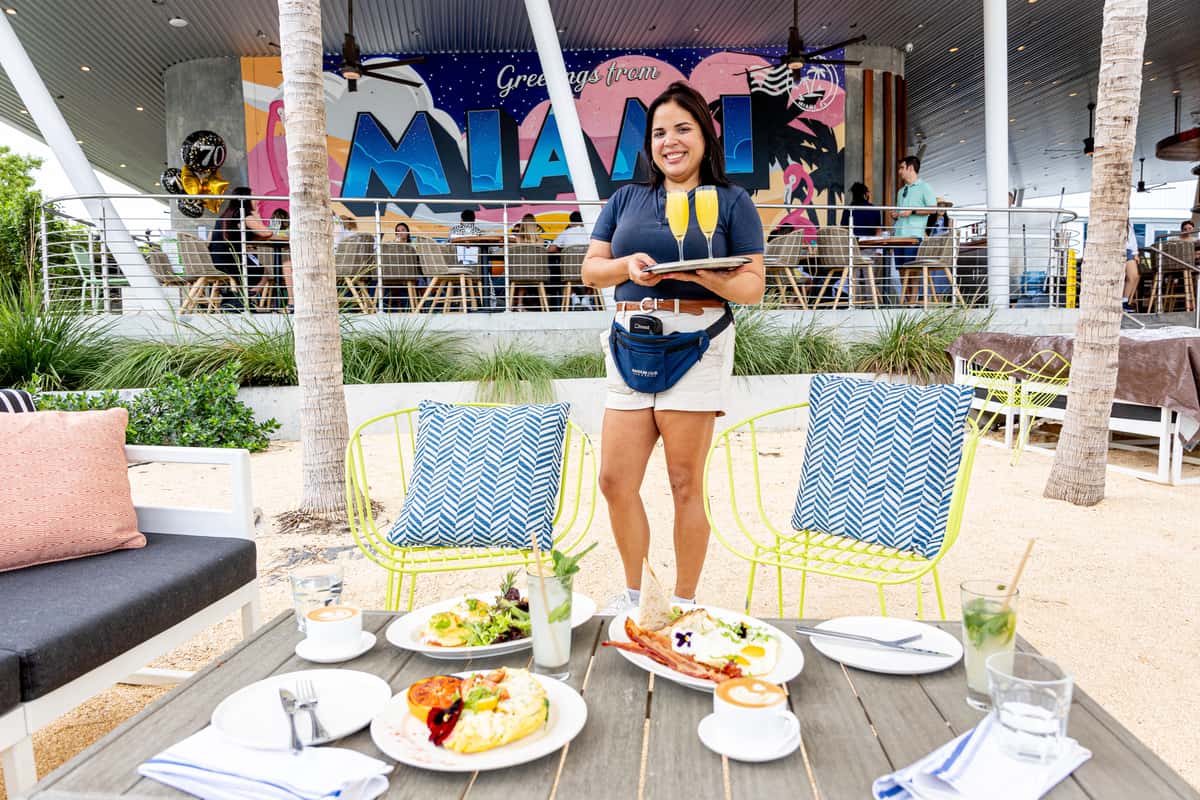
Winter and spring events are most popular for Miami parties from December through April. Average highs during this window range from 73°F to the low 80s, and monthly rainfall drops to its lowest levels. January receives just 1.62 inches of precipitation, according to US Climate Data, making it one of the driest months of the year.
This period also aligns with Miami's cultural high season. Art Basel Miami Beach draws over 80,000 visitors each December, while the Miami International Boat Show fills February with more than 100,000 attendees. Hotel bookings for the 2026 spring season showed a 38% year-over-year increase, reflecting surging demand for this window. For hosts planning outdoor celebrations, these months deliver the most predictable weather alongside the city's peak social energy.
Are There Specific Months to Avoid Due to Extreme Heat or Storms?
The specific months to avoid due to extreme heat or storms are June through September. Hurricane season officially runs from June 1 through November 30, but the core risk concentrates in late summer and early fall. September alone averages 9.86 inches of rainfall.
Heat presents an equally serious concern. According to the City of Miami's Heat Season Plan, apparent temperatures across all urban areas of South Florida are forecast to reach triple digits (100°F to 105°F) during afternoon hours in peak summer months. These conditions make prolonged outdoor gatherings uncomfortable and potentially unsafe without extensive mitigation like shaded structures and hydration stations. Planning around this window protects both guest comfort and event logistics.
What Are the Advantages of Hosting Events During the Shoulder Seasons?
The advantages of hosting events during the shoulder seasons include lower costs, reduced competition for venues, and pleasant transitional weather. October and early November, along with late April and May, sit just outside Miami's peak demand period.
During these months, humidity begins to ease or has not yet intensified, and temperatures remain in the upper 70s to low 80s. Fewer tourists competing for reservations means greater venue availability and more flexible booking terms. Coconut Grove's lush tree canopy creates a cooler microclimate compared to more urbanized areas of Miami, which makes waterfront venues in the neighborhood particularly comfortable during shoulder months. For hosts who value both favorable conditions and flexibility, these transitional windows often represent the smartest timing choice.
With seasonal timing established, local holidays and cultural events further shape the ideal date for an outdoor party.
How Do Holidays and Local Events Influence the Timing of Outdoor Parties in Miami?
Holidays and local events influence the timing of outdoor parties in Miami by creating natural momentum around crowd energy, cultural atmosphere, and seasonal demand. The subsections below cover which festivals draw the largest crowds, how special dates enhance party atmosphere, and which local traditions affect date selection.
Which Miami Festivals or Holidays Draw the Largest Crowds for Outdoor Gatherings?
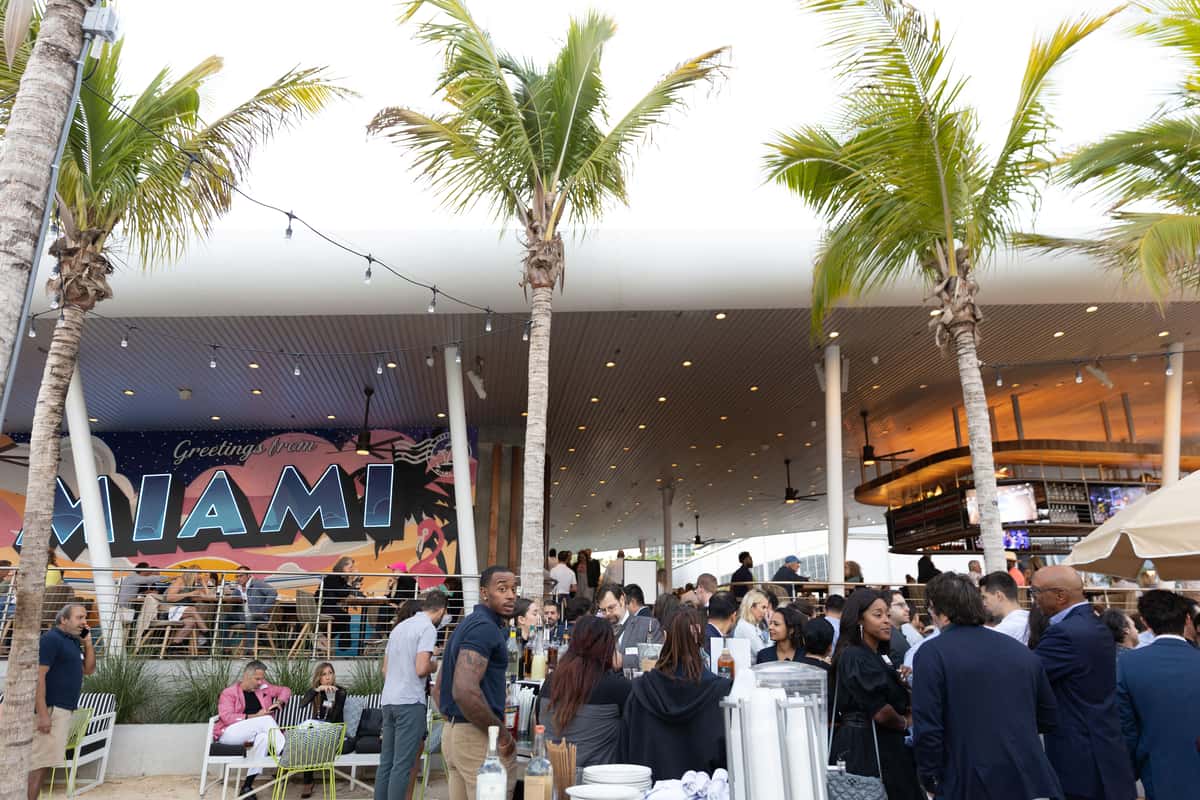
The Miami festivals and holidays that draw the largest crowds for outdoor gatherings include Art Basel Miami Beach in December, the Coconut Grove Arts Festival in February, and the Miami International Boat Show in mid-February. These events concentrate visitors during the dry season, when outdoor conditions are most favorable.
Timing a private gathering around these festivals requires awareness of heat thresholds. According to Breaking AC News, heat indices between 101°F and 105°F trigger mandatory hydration every 15 minutes and require shaded stations for all staff and guests at Miami festivals. Since Miami experiences approximately 130 days at or above 90°F per year, dry-season festivals succeed partly because they avoid that extreme window. Coconut Grove's lush tree canopy also creates a cooler microclimate compared to more urbanized areas, making it a particularly comfortable neighborhood for overlapping celebrations.
How Can Special Dates Enhance the Atmosphere of an Outdoor Party?
Special dates enhance the atmosphere of an outdoor party by tapping into collective excitement that elevates guest energy and engagement. Aligning a private event with a major cultural weekend, such as Art Basel in early December or Carnival-season festivities, gives the celebration built-in momentum that no amount of décor alone can replicate.
Holiday weekends like Thanksgiving, New Year's Day, and the Fourth of July also bring friends and family together organically, reducing the friction of gathering out-of-town guests. For hosts planning in Coconut Grove, the end-of-year period offers lower humidity and more predictable weather, creating ideal conditions to pair a milestone celebration with the city's vibrant seasonal calendar.
What Local Traditions Should Be Considered When Choosing a Date?
The local traditions that should be considered when choosing a date include Coconut Grove's long-running arts festival weekend in February, Calle Ocho's street festival celebrating Miami's Latin heritage in March, and the King Mango Strut parade held near the end of December. Each of these traditions shapes traffic patterns, noise levels, and venue availability across the neighborhood.
Hosts should also account for Miami's high-season booking surge from November through April, when demand for outdoor venues peaks. Checking neighborhood event calendars before locking in a date helps avoid conflicts with road closures or competing gatherings. For a Coconut Grove celebration, this awareness turns potential scheduling friction into a strategic advantage.
Understanding these event-driven dynamics is essential when evaluating how Coconut Grove's unique setting shapes the outdoor party experience.
What Are the Key Considerations for Hosting Outdoor Parties in Coconut Grove?
The key considerations for hosting outdoor parties in Coconut Grove include its waterfront microclimate, distinctive venue character, and local noise and permit regulations. Each factor shapes how events feel and function in Miami's oldest neighborhood.
How Does Coconut Grove's Waterfront Location Affect Event Comfort?
Coconut Grove's waterfront location affects event comfort by introducing steady coastal breezes, salt air, and shifting humidity levels that vary throughout the day. According to StruXure South Florida, Coconut Grove's lush tree canopy creates a cooler microclimate compared to more urbanized areas of Miami, which directly influences outdoor space design for comfort and privacy.
This natural canopy of banyan trees, palms, and live oaks filters sunlight and reduces radiant heat, making waterfront gatherings noticeably more pleasant than events held in exposed urban settings. However, coastal wind and salt spray also shape practical decisions, from selecting durable décor materials to positioning seating areas that preserve sightlines without leaving guests exposed. Hosts who account for these waterfront dynamics gain a significant comfort advantage over inland Miami locations.
What Unique Venue Features Should Be Taken Into Account?
The unique venue features that should be taken into account include historical architecture, waterfront sightlines, flexible indoor-outdoor layouts, and the neighborhood's distinctive bohemian character. According to Greater Miami and Miami Beach, Coconut Grove is the earliest settlement in the Miami area, characterized by a bohemian vibe with quiet residential streets lined by banyan trees, palms, and live oaks.
This heritage creates an atmosphere that few Miami neighborhoods can match. Venues along the waterfront often blend tropical landscaping with architectural details that reflect the area's layered history. When evaluating event spaces, prioritize:
- Covered or semi-covered areas that protect against sudden rain while maintaining open-air ambiance.
- Flexible capacity configurations for both intimate gatherings and larger celebrations.
- Proximity to the water, which enhances both visual appeal and natural ventilation.
For hosts seeking a memorable setting, choosing a venue that embraces Coconut Grove's character elevates any outdoor event beyond a standard celebration.
Are There Permit or Noise Restrictions Party Hosts Need to Know?
Yes, there are permit and noise restrictions party hosts need to know before planning outdoor events in Coconut Grove. Miami-Dade County's Special Events Permits policy prohibits unreasonable and disruptive noise that is incompatible with normal facility use in parks and recreation areas.
Key regulatory requirements include:
- Special Events Applications must be completed 120 days prior for Class A events, 90 days for Class B, and 45 days for Class C.
- Coconut Grove's quiet residential streets make noise sensitivity particularly important; sound levels that might go unnoticed elsewhere draw attention here.
- Amplified music, late-night entertainment, and large guest counts may require additional coordination with the county.
Starting the permit process early prevents last-minute complications. Understanding how daytime versus evening events differ in their regulatory requirements helps hosts plan with confidence.
How Should You Choose Between Daytime and Evening Outdoor Events in Miami?
You should choose between daytime and evening outdoor events in Miami based on temperature comfort, guest experience goals, and local noise regulations. The sections below cover when daytime parties work best, the advantages of evening gatherings, and how lighting transforms atmosphere.
When Are Daytime Parties Best for Comfort and Entertainment?
Daytime parties are best for comfort and entertainment during Miami's dry season months, when mild temperatures and low humidity create ideal outdoor conditions. A study of South Florida outdoor receptions found that daytime temperatures may average around 72°F during cooler months, making afternoon gatherings comfortable without extensive climate mitigation.
Mornings and early afternoons also offer natural advantages for entertainment:
- Waterfront venues benefit from clear sightlines across Biscayne Bay.
- Family-friendly activities like brunches thrive in natural daylight.
- Hosts avoid the added cost of extensive lighting setups.
For hosts prioritizing relaxed, casual energy, daytime events during the November through April window deliver the most consistently pleasant conditions.
What Are the Benefits of Evening Events for Guests and Hosts?
The benefits of evening events for guests and hosts include cooler temperatures, a more refined atmosphere, and extended socializing hours. As afternoon heat fades, guests find evening gatherings more comfortable, particularly during transitional months when warmth lingers into early night.
Hosts should note that evening temperatures in South Florida can drop to between 57°F and 60°F, so providing heaters or blankets for open-air settings is a practical consideration. Evening events also benefit from:
- A natural transition into cocktail and dinner service.
- Greater flexibility for live band entertainment and ambient soundscapes.
- Enhanced visual drama from waterfront sunset backdrops.
One regulatory factor worth planning around: Miami-Dade County prohibits noise-producing equipment operation between 11:00 p.m. and 7:00 a.m. under Section 21-28 of the County Code, so hosts should structure wind-down times accordingly.
How Does Lighting and Atmosphere Change From Day to Night?
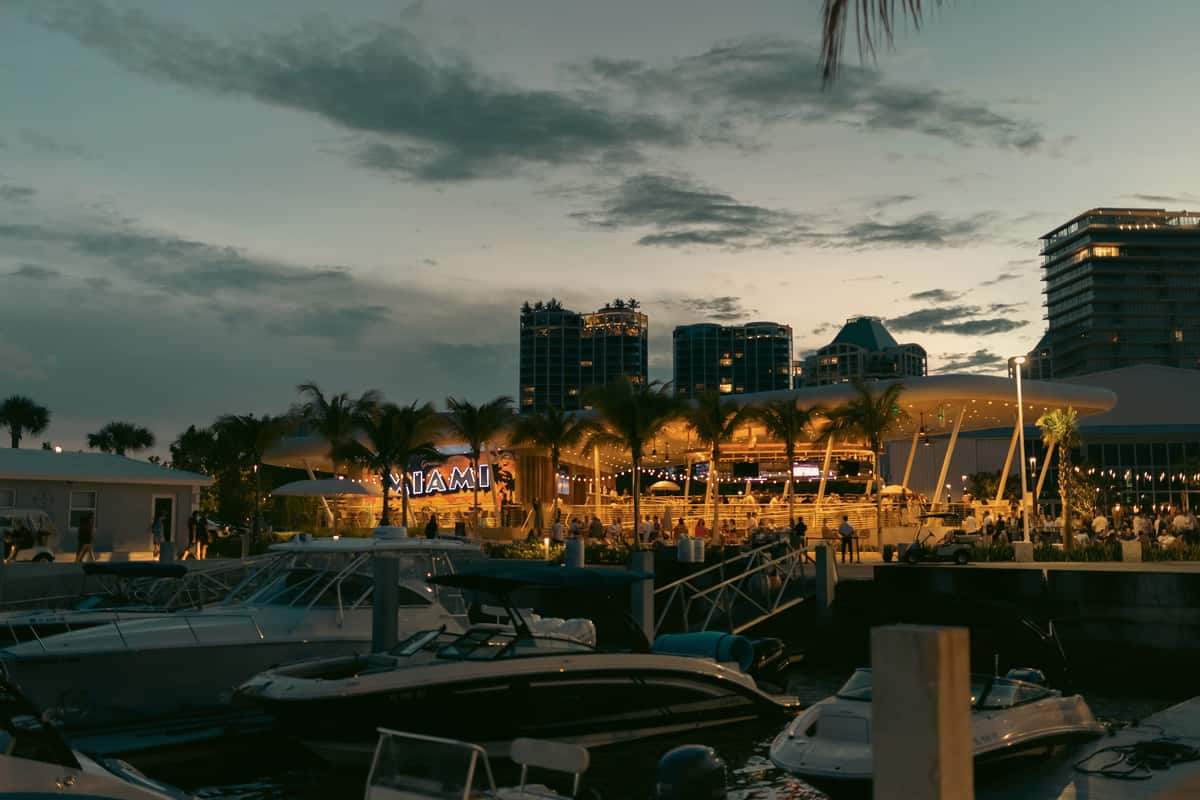
Lighting and atmosphere change from day to night by shifting from natural sunlight and open-air vibrancy to warm artificial illumination and intimate ambiance. During daytime, Miami's tropical light creates a bright, energetic mood well suited to casual gatherings and waterfront views.
As the sun sets, the atmosphere transforms dramatically. String lights, candles, and architectural uplighting replace natural light, drawing guests into a more focused, social environment. This transition is especially striking at waterfront locations in Coconut Grove, where reflections off the water amplify both golden-hour glow and evening illumination.
For hosts who want both experiences, scheduling an event that spans late afternoon into evening captures the full spectrum. This approach lets guests enjoy daylight socializing before settling into a more refined nighttime setting, making it one of the most versatile strategies for Miami outdoor events.
With timing and atmosphere dialed in, the right venue ties every element together.
How Can Bayshore Club Enhance the Experience of Outdoor Parties in Miami?
Bayshore Club enhances the experience of outdoor parties in Miami by combining waterfront dining, a historically inspired atmosphere, and Coconut Grove's natural coastal setting. The sections below cover how its venue features elevate events and the essential takeaways for choosing the right time to celebrate outdoors.
Can Bayshore Club's Waterfront Dining and Brunch Options Make Outdoor Events Special?
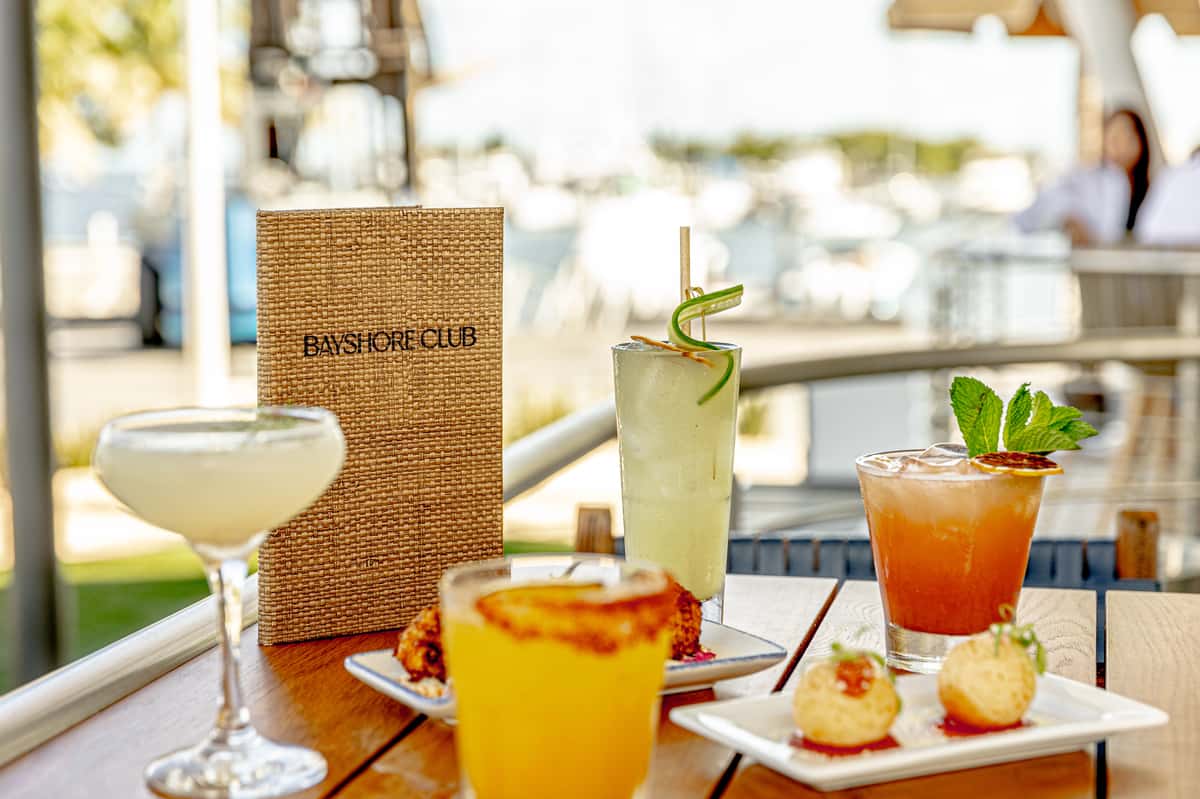
Yes, Bayshore Club's waterfront dining and brunch options can make outdoor events special. Located at 3391 Pan American Drive on the historic Dinner Key site, Bayshore Club offers a setting inspired by the nostalgia of pre-flight travel and Pan American World Airways' golden era. This atmosphere transforms a standard gathering into something memorable.
Semi-private dining accommodates 20 seated or 50 cocktail guests, while full buyouts host up to 160 seated or 250 cocktail guests. The all-day menu, brunch, happy hour, raw bar, and live bands give hosts flexibility to match any occasion. Coconut Grove's waterfront location naturally mitigates some of the wind and heat challenges common across Miami-Dade County, which a 2024 University of Miami climate risk study identified as having the highest average wind speed among South Florida's three major counties.
For planners seeking both comfort and character, few venues blend coastal breezes with genuine historical significance the way this setting does.
What Are the Key Takeaways About the Best Time of Year for Outdoor Parties in Miami?
The key takeaways about the best time of year for outdoor parties in Miami center on weather, humidity, and visitor demand.
- November through April offers the most comfortable outdoor conditions, with lower temperatures, reduced rainfall, and the highest event booking demand.
- Miami experiences high relative humidity year-round, typically ranging between 70% and 75%, so even during the dry season, ventilation and shade remain essential.
- Hurricane season runs June 1 through November 30, making summer and early fall the riskiest window for outdoor celebrations.
- Peak summer heat indices can exceed 100°F during afternoon hours, pushing outdoor events toward evening start times.
According to Exhibitor Online, total visitor spending in Greater Miami and Miami Beach reached $21.3 billion from July 2024 to June 2025, a 3% year-over-year increase, confirming that demand for outdoor experiences in Miami continues to grow. Timing an event during the dry season, choosing a venue with natural coastal advantages like Bayshore Club in Coconut Grove, and planning for humidity are the three decisions that most directly shape guest comfort.