
Choosing a Restaurant Based on the Pace of Your Day
Choosing a Restaurant Based on the Pace of Your Day
Choosing a restaurant based on the pace of your day means matching your available time, energy level, and social goals to a dining format that supports all three. The right fit turns a meal into a moment that works with your schedule rather than against it.
This guide covers the psychology behind pace-driven dining decisions, restaurant formats designed for different time constraints, flexibility features like all-day menus and adaptive service styles, the role of atmosphere and waterfront settings in resetting your rhythm, and how Bayshore Club in Coconut Grove approaches each of these elements.
Your daily pace shapes what you need from a meal more than most people realize. Busy days call for speed, simplicity, and minimal friction, while open schedules invite slower service, richer menus, and social connection that research links to greater life satisfaction.
Restaurant formats exist on a spectrum from quick-service counters to full-service dining rooms, with hybrid models bridging the gap. Quick-service prioritizes turnover; full-service invests in longer, higher-touch experiences. Knowing where your current day falls on that spectrum narrows the field fast.
Flexible operations give a single restaurant the ability to serve both paces. All-day dining hours, menus that shift across dayparts, and service teams that read the room let one location adapt to a working lunch or a lingering dinner without changing venues.
Atmosphere acts as a pace-setting tool on its own. Waterfront locations and natural surroundings slow perceived time, lower stress, and encourage a mental shift that indoor urban settings rarely replicate. Color, sound, and scenery all shape whether a meal energizes you or helps you decompress.
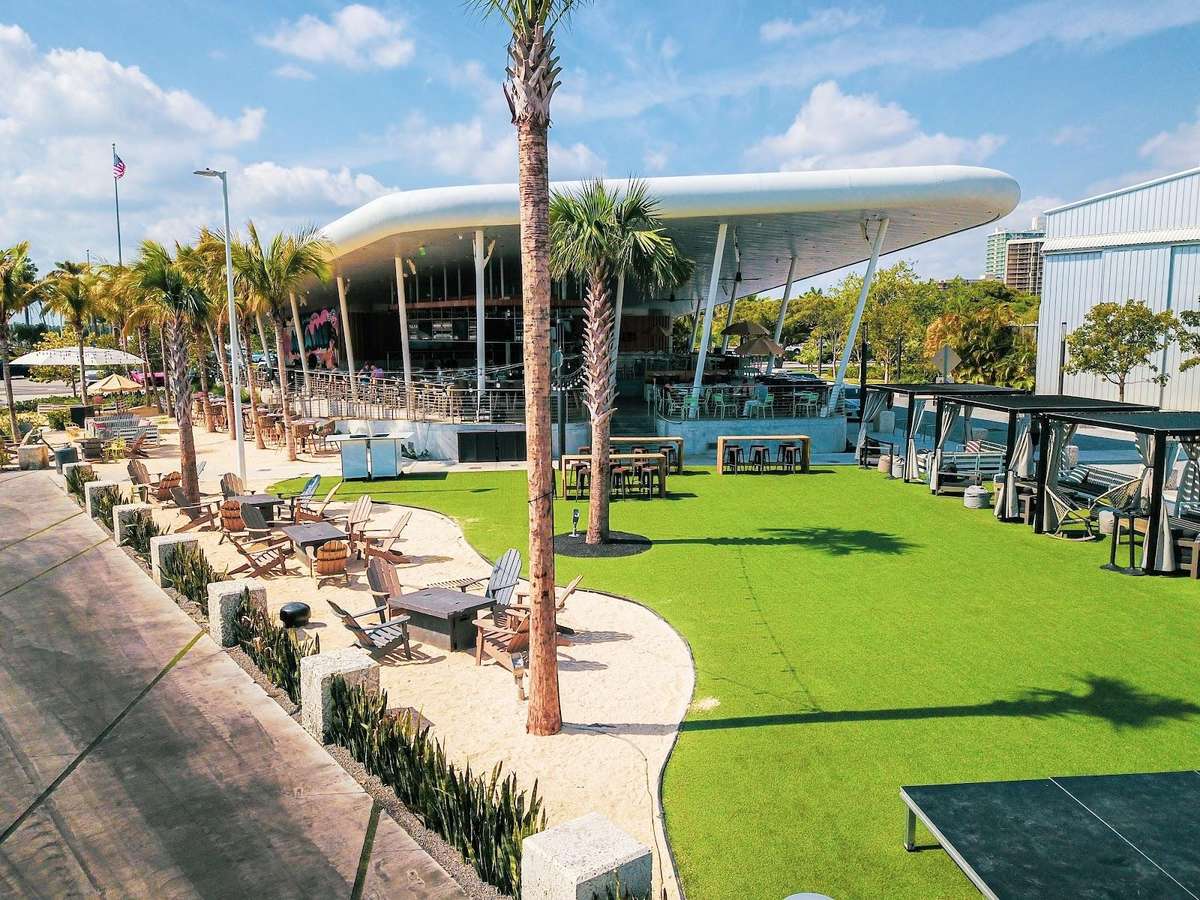
Bayshore Club sits on Biscayne Bay in Coconut Grove and builds its programming around this principle. Brunch, happy hour, and evening dining each carry a distinct rhythm, giving guests a single destination that matches whatever pace the day demands.
Why Does the Pace of Your Day Influence Restaurant Choice?
The pace of your day influences restaurant choice because your available time, stress level, and social goals shape what you need from a meal. Below, we explore what makes a restaurant work for busy schedules and what matters when time is on your side.
What Factors Make a Restaurant Suitable for a Busy Schedule?
The factors that make a restaurant suitable for a busy schedule include short wait times, streamlined service, and a focused menu. According to the National Restaurant Association, the ideal wait for a casual dining restaurant is under 15 minutes, with satisfaction dropping sharply after the 20-minute mark. Speed alone is not enough, though; menu price and food quality rank as the top two decision drivers for convenience-oriented meals. Restaurants that combine efficient ordering with consistent quality let diners refuel without sacrificing their momentum. For anyone juggling back-to-back commitments, prioritizing venues with predictable pacing prevents a quick lunch from derailing the rest of the afternoon.
What Considerations Matter When You Have a Leisurely Day?
The considerations that matter when you have a leisurely day center on atmosphere, social connection, and sensory experience. A 2017 study published in the Journal of Environmental Psychology found that time spent in nature settings was overestimated compared to actual time, while time in urban settings was estimated accurately. This perceptual shift means scenic or waterfront restaurants can make an unhurried meal feel even more expansive.
Key priorities for leisurely dining include:
- An ambience that encourages lingering, such as waterfront views or natural surroundings.
- A menu with enough variety to explore multiple courses.
- A service pace that feels attentive without being rushed.
- Opportunities for social dining, which research from the University of Oxford links to greater happiness and life satisfaction.
When the clock is not pressing, the dining environment matters as much as the food itself. Choosing a setting that actively slows your perception of time transforms a meal into a genuine reset, something worth keeping in mind as different restaurant formats cater to these contrasting rhythms.
What Types of Restaurant Experiences Match Different Daily Paces?
The types of restaurant experiences that match different daily paces range from quick-service formats designed for tight schedules to full-service establishments built for leisurely dining. Below, we compare these categories and explore hybrid options that bridge both ends.
How Do Quick-Service vs. Full-Service Restaurants Compare for Varying Time Constraints?
Quick-service and full-service restaurants compare across time constraints primarily through speed, cost, and satisfaction trade-offs. Quick-service restaurants prioritize efficiency, with meals typically completed in under 15 minutes. Full-service restaurants require longer commitments; the average ideal table turnover time is around 45 minutes, according to Checkmate.
The spending difference reflects the experience gap. According to USDA Economic Research Service data from 2022, full-service restaurant sales per person rose from $8.50 in 2019 to $10.00 in 2021, while quick-service sales climbed from $6.00 to $7.50 over the same period.
Satisfaction trends reinforce the distinction. The American Customer Satisfaction Index reported full-service restaurants scored 81, a 4% climb, while fast food held steady at 78. For time-pressed days, quick service delivers speed. When your schedule opens up, full-service dining rewards the extra time with higher satisfaction and a more complete experience.
Are There Dining Options That Bridge Fast and Slow Paces?
Yes, there are dining options that bridge fast and slow paces. Hybrid and fast-casual restaurants occupy this middle ground, combining the speed of quick-service with the quality and atmosphere of full-service dining. These formats let guests adjust their experience based on available time, whether grabbing a quick bite at the bar or settling into a longer meal.
Atmosphere plays a role in how these spaces function across different moods. Research published in AJE-Bs found that restaurants with monochromatic, cool color schemes significantly influenced romantic dining perceptions compared to casual dining contexts. This suggests that even within flexible formats, design choices shape whether a visit feels rushed or relaxed. For diners whose pace shifts throughout the day, venues offering both bar seating and full table service provide the most adaptable experience.
With restaurant types clarified, specific features like flexible hours and menu diversity further enhance how well a venue adapts to your schedule.
Which Restaurant Features Enhance Flexibility for Varying Schedules?
Restaurant features that enhance flexibility for varying schedules include all-day dining availability, extended operating hours, diverse menus, and adaptable service styles. These elements let diners match their meal to the moment, regardless of timing constraints.
How Important Are All-Day Dining and Flexible Hours?
All-day dining and flexible hours are critically important for guests whose schedules shift unpredictably. Restaurants that serve across multiple dayparts eliminate the pressure of arriving within a narrow window, making spontaneous visits practical whether you break for lunch at 11 a.m. or dinner at 9 p.m.
According to the U.S. Bureau of Labor Statistics, the average American spends just 65 minutes per day eating and drinking as a primary activity. With so little time allocated to meals, rigid service windows can turn dining into a source of stress rather than enjoyment. Venues offering continuous or overlapping service periods accommodate both the professional squeezing in a midday bite and the couple seeking a relaxed evening.
Satisfaction hinges on accessibility, too. When wait times stretch beyond 20 minutes, guest satisfaction drops sharply. All-day formats typically distribute traffic more evenly, reducing peak-hour congestion and keeping the experience smooth for time-conscious diners.
Can Menu Diversity and Service Style Affect Your Dining Experience?
Yes, menu diversity and service style can significantly affect your dining experience by determining how well a restaurant adapts to your energy level and available time. A broad menu lets one guest order a light appetizer during a packed afternoon while another lingers over a multi-course dinner on a free evening.
Service style shapes perceived duration just as much as the clock does. A Cornell University study found that dining duration has a curvilinear effect on customer satisfaction, with satisfaction highest when guests perceive the pace as "just right." Attentive yet unhurried service achieves this balance; overly fast turnover feels dismissive, while sluggish pacing frustrates busy diners.
Environmental design reinforces flexibility as well. Research published in MDPI confirms that nature ambience in restaurants evokes positive emotions and reduces stress, supporting both energizing quick meals and slower, restorative dining. Restaurants combining varied menus with adaptable pacing and calming surroundings give guests control over the rhythm of their meal.
With these features identified, the surrounding atmosphere and location of a restaurant can further shape how your day's pace translates into the right dining experience.
How Can Atmosphere and Location Impact Your Restaurant Choice Based on Your Day's Rhythm?
Atmosphere and location impact your restaurant choice based on your day's rhythm by either reinforcing a leisurely mindset or energizing a transitional moment. The following sections explore how waterfront settings and ambience shape that experience.
Do Waterfront or Scenic Spots Help You Shift into a Leisurely Pace?
Yes, waterfront or scenic spots help you shift into a leisurely pace by altering how your body processes stress and perceives time. According to a 2018 study published in the Journal of Environmental Psychology, time spent in natural settings was overestimated compared to actual time, while time in urban environments was estimated accurately. This perceptual shift means a waterfront meal feels longer and more restorative than the clock suggests.
Blue spaces, such as coastlines and bays, are associated with reduced stress and anxiety. When your day has been demanding, choosing a scenic location signals a psychological transition, separating work mode from personal time. In Coconut Grove, dining along Biscayne Bay offers this natural recalibration without requiring a full vacation.
How Does Ambience Support an Energizing or Relaxing Meal?
Ambience supports an energizing or relaxing meal by influencing emotional state, stress levels, and even food choices. A 2022 study published in MDPI Foods found that nature ambience in a lunch restaurant has the potential to evoke positive emotions, reduce stress, and support healthy food choices and sustainable behavior.
Elements that shape this effect include:
- Lighting intensity: Bright, natural light promotes alertness for a midday recharge, while dim, warm tones encourage unwinding.
- Soundscape: Gentle water sounds or soft music activate the parasympathetic nervous system, while upbeat playlists sustain social energy.
- Color palette: Cool, monochromatic schemes create calm, romantic moods, whereas vibrant tones stimulate conversation.
- Spatial openness: Open-air seating with scenic views extends the feeling of spaciousness and freedom.
Matching ambience to your current energy level is one of the most underrated factors in dining satisfaction. A restaurant that reads the room, shifting its atmosphere from a lively brunch to a tranquil sunset dinner, adapts to your day rather than forcing you into a single mode. With the right setting in place, the next consideration is finding a restaurant that ties all of these elements together.
How Should You Approach Restaurant Selection When Considering Bayshore Club's Offerings?
You should approach restaurant selection by matching Bayshore Club's flexible dining formats to the specific pace of your day. The following sections cover schedule adaptability and key takeaways.
Can All-Day Dining, Brunch, or Happy Hour at Bayshore Club Adapt to Your Schedule?
Yes, all-day dining, brunch, and happy hour at Bayshore Club can adapt to your schedule. Bayshore Club offers an all-day menu, brunch, and happy hour from 4 PM to 6 PM, creating multiple entry points throughout the day. Whether a rushed afternoon calls for a quick stop during happy hour or a relaxed weekend invites a lingering brunch along the Coconut Grove waterfront, the format shifts to fit. This range of dayparts means guests are not locked into a single dining window. For those whose daily rhythm changes unpredictably, having a restaurant that spans morning through evening without sacrificing atmosphere or menu quality removes the guesswork from planning.
What Are the Key Takeaways About Choosing a Restaurant Based on the Pace of Your Day We Covered?
The key takeaways about choosing a restaurant based on the pace of your day are:
- Match the dining format to your available time; quick-service works for packed schedules, while full-service rewards slower days.
- Prioritize atmosphere and location, since waterfront and nature-adjacent settings naturally encourage relaxation and can shift your perceived pace.
- Seek restaurants with flexible hours and diverse menus that serve multiple dayparts without forcing a single experience.
- Consider hybrid dining models. According to It's a Checkmate, hybrid restaurants blend the convenience of quick-service with the quality and atmosphere of full-service, offering a space where guests enjoy multiple dining possibilities.
Bayshore Club in Coconut Grove brings these principles together through its waterfront setting, varied menu formats, and a schedule designed to meet guests wherever their day takes them.