
Designing a Restaurant Around the Bay, Not Just the Menu
Designing a Restaurant Around the Bay, Not Just the Menu
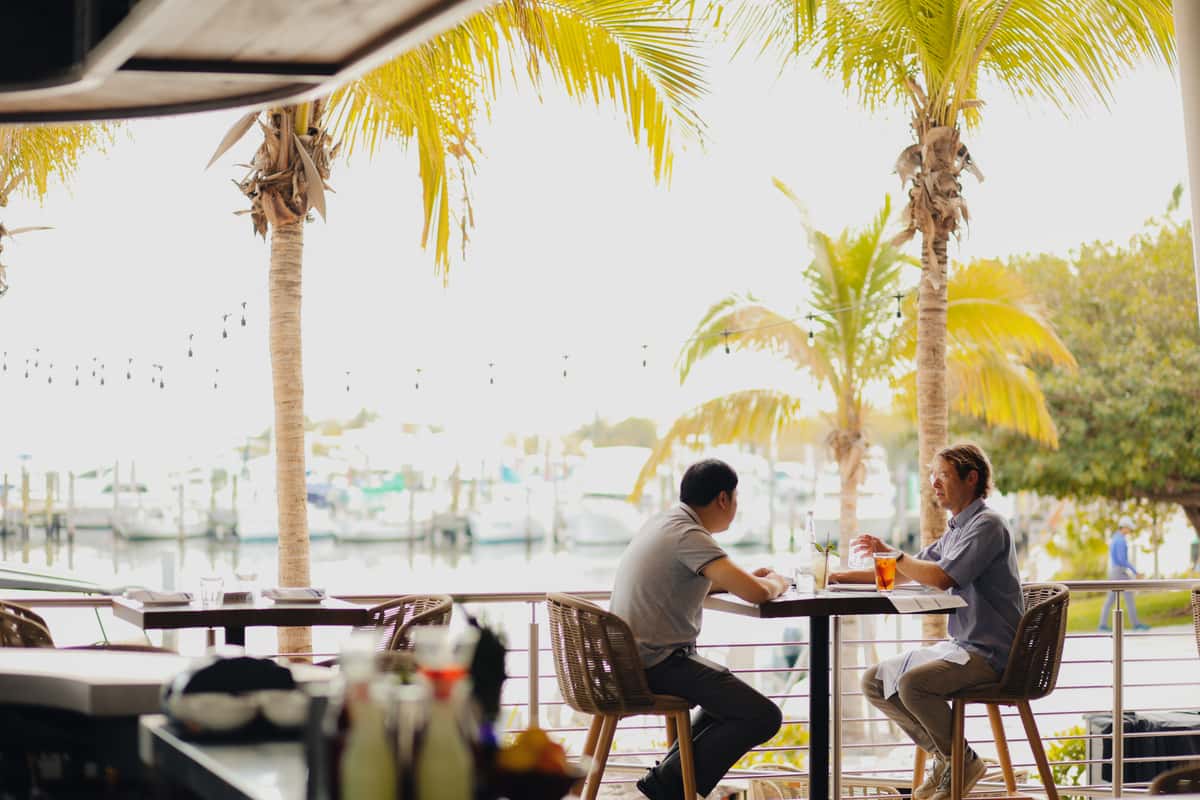
Designing a restaurant around the bay is the practice of letting a waterfront setting shape every decision, from architecture and interior aesthetics to service style and sourcing, so the location itself becomes the experience rather than a backdrop for the plate.
This guide covers waterfront architecture and coastal building considerations, interior and outdoor design strategies, the role of local heritage and sensory ambiance, bay-inspired food and beverage programming, and service approaches that tie it all together.
Waterfront location influences restaurant design at a structural level. Coastal construction demands specific engineering, including piling foundations and breakaway wall systems, while the natural setting offers psychological benefits; proximity to water improves mood and reduces stress in minutes, giving bayfront venues a built-in advantage over inland competitors.
Interior spaces and outdoor areas work in tandem to immerse guests in the bay. Biophilic principles bring ocean textures and coastal patterns indoors, while nautical elements like authentic ship lights and maritime artifacts create a sense of place. Al fresco zones extend that connection by framing live waterfront views and adapting seating for year-round comfort.
Local heritage adds narrative depth that generic décor cannot replicate. In Coconut Grove, the historic Dinner Key site and its aviation legacy offer a storytelling layer that roots a restaurant in its specific geography, turning a meal into an encounter with place and time.
Lighting, natural sound, and acoustic design shape the emotional register of a bayfront dining room. Sound propagation over water and sea breezes create a natural soundscape that careful engineering can enhance rather than suppress. Paired with seasonal, locally sourced menus and a raw bar reflecting nearby waters, these elements let the bay define the entire guest experience at Bayshore Club.
What Role Does Waterfront Location Play in Restaurant Design?
Waterfront location plays a foundational role in restaurant design by shaping architecture, guest psychology, and regulatory requirements. Below, bayfront architecture and environmental considerations reveal how the water itself becomes the primary design driver.
How Does Bayfront Architecture Enhance the Dining Experience?
Bayfront architecture enhances the dining experience by orienting every design decision toward the water. Sightlines, ceiling heights, and material choices all serve one purpose: connecting guests to the bay. A study at the University of Massachusetts Amherst found that "atmosphere" and "view" were significantly higher priorities for visitors compared to residents, with waterfront locations being a primary driver for tourist dining choices in South Florida.
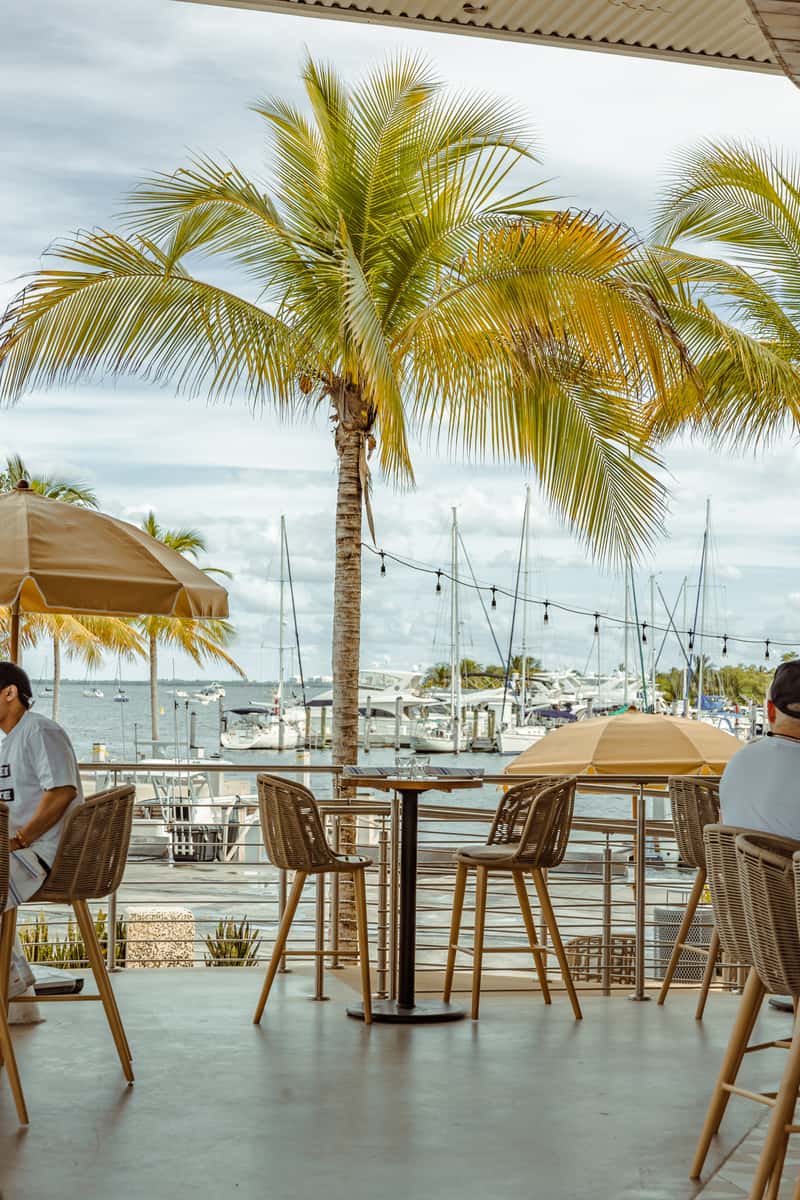
Open floor plans, expansive glass, and elevated terraces frame panoramic views that no interior-only venue can replicate. In Coconut Grove, where Biscayne Bay meets a lush tree canopy, this connection between structure and setting transforms a meal into an event. For any bayfront restaurant, architecture that defers to the water consistently outperforms designs that compete with it.
What Environmental Considerations Come with Building by the Water?
The environmental considerations that come with building by the water include coastal construction regulations, flood-resistant engineering, and the psychological effects of proximity to natural settings.
Structures located seaward of Florida's Coastal Construction Control Line must be constructed on pilings, with ground-level walls designed as "breakaway walls" to minimize resistance to floodwaters, according to FL Waterfront's coastal construction guidelines. These requirements dictate foundation type, wall materials, and overall structural orientation before any aesthetic choices begin.
Beyond engineering, the environment itself shapes guest well-being. Research published by the American Psychological Association links exposure to water-based settings with cognitive benefits, improved mood, and reduced stress within as little as one to ten minutes. Designing with the bay's natural forces, rather than against them, addresses both code compliance and the very guest experience that draws diners to the water in the first place.
Understanding these location-driven factors sets the stage for how interior design can carry the bay's character deeper into the space.
How Can Interior Design Capture the Spirit of a Bayfront Setting?
Interior design can capture the spirit of a bayfront setting by blending authentic nautical artifacts, regional history, and sensory coastal textures into a cohesive aesthetic. The following sections explore how maritime elements shape restaurant aesthetics and how décor creates an escapist atmosphere.
How Do Nautical and Historical Elements Influence Restaurant Aesthetics?
Nautical and historical elements influence restaurant aesthetics by grounding a space in authentic coastal identity rather than generic seaside clichés. According to Our Boat House, nautical-inspired hospitality design utilizes authentic maritime elements such as ship lights, wooden oars, and genuine coastal décor to transform spaces into immersive seaside retreats.
For a venue built on the historic Dinner Key site, where Pan American World Airway's Clipper flying boats once departed, these design choices carry deeper resonance. Vintage aviation maps, Art Deco motifs inspired by the original terminal, and reclaimed maritime hardware can layer meaning into every surface. When artifacts reference a specific place and era, they become conversation starters that distinguish a restaurant from competitors relying on mass-produced "beachy" décor. The most effective nautical interiors feel collected over time, not decorated all at once.
In What Ways Can Décor Evoke a Vacation State-of-Mind for Guests?
Décor can evoke a vacation state-of-mind for guests by engaging multiple senses simultaneously. Tactile materials like weathered teak, woven rattan, and linen upholstery signal relaxation before a guest even sits down. Ocean-inspired color palettes built around soft blues, sandy neutrals, and warm coral tones subconsciously reference shoreline landscapes.
Biophilic design principles amplify this effect. Incorporating natural light, living greenery, and organic forms such as seashell patterns or driftwood accents blurs the boundary between indoors and the bay just beyond the windows. The goal is sensory continuity; when the breeze, the view, and the interior textures all tell the same story, guests shift into a relaxed, exploratory mindset. For restaurants rooted in the spirit of travel and adventure, every material choice should reinforce that momentary escape from the everyday.
With the interior setting the tone, outdoor spaces offer the next opportunity to deepen that bayfront connection.
How Does Outdoor Space Transform a Bayfront Restaurant Experience?
Outdoor space transforms a bayfront restaurant experience by dissolving the boundary between dining room and natural environment. The following sections cover strategies for maximizing waterfront views and adapting al fresco areas for year-round comfort.
What Are the Best Strategies for Utilizing Waterfront Views?
The best strategies for utilizing waterfront views involve orienting seating, sightlines, and design elements to keep the bay visible from as many tables as possible. Tiered or stepped seating layouts prevent front rows from blocking panoramic views for guests seated further back. Low-profile railings and cable barriers maintain safety without interrupting the visual connection to the water.
Biophilic design principles reinforce this connection; coastal venues weave nature into their spaces through ocean-inspired textures, seashell patterns, and airy materials that carry the sensory experience of the shoreline throughout the dining area. In Coconut Grove, where Biscayne Bay meets lush tree canopy, positioning tables to frame both water and foliage creates layered depth that static interior walls simply cannot replicate. The most effective waterfront layouts treat the view itself as a design element, not just a backdrop.
How Can Al Fresco Dining Areas Be Adapted for Comfort and Style?
Al fresco dining areas can be adapted for comfort and style through weather-responsive infrastructure, accessible furniture standards, and material choices suited to a coastal climate. Retractable awnings and motorized screens allow operators to adjust shade and wind protection in real time, keeping guests comfortable during sudden rain or intense afternoon sun.
Accessibility is equally important. According to the Disability Law Center of Virginia, ADA compliance requires table-tops between 28 and 34 inches in height, with knee clearance of at least 27 inches high, 30 inches wide, and 19 inches deep. Corrosion-resistant metals, marine-grade fabrics, and quick-dry cushions extend furniture lifespan in salt air conditions. When comfort details are handled correctly, guests stay longer and return more often, making the outdoor area a revenue driver rather than a seasonal afterthought.
With outdoor spaces optimized for views and comfort, the surrounding cultural heritage offers another layer of design depth.
What Are the Benefits of Incorporating Local Heritage Into Restaurant Design?
The benefits of incorporating local heritage into restaurant design include stronger emotional connections with guests, a distinctive brand identity, and richer storytelling that transforms a meal into a memorable experience. Below, two key dimensions illustrate this: honoring Dinner Key's aviation history and using narrative techniques tied to the bay.
How Does Honoring Dinner Key's Aviation History Attract Diners?
Honoring Dinner Key's aviation history attracts diners by offering an experience no other restaurant can replicate. The historic Dinner Key site in Miami once served as the base for Pan American World Airway's Clipper flying boats, including the Sikorsky S41 and S42, during the 1930s and 40s. That singular provenance gives a venue built on this ground an authenticity competitors simply cannot manufacture.
Guests drawn to nostalgia and adventure seek out spaces where design elements tell a true story. When Art Deco motifs, vintage aviation references, and period-inspired details are woven into the architecture, every corner reinforces the narrative. This layered authenticity converts first-time visitors into repeat guests who return not just for the food, but for the feeling of stepping into a bygone era of glamorous travel.
What Storytelling Techniques Can Deepen the Connection to the Bay?
Storytelling techniques that can deepen the connection to the bay include material choices, spatial sequencing, and sensory layering that let the environment narrate the location's significance. Effective techniques include:
Authentic maritime artifacts: Incorporating genuine coastal elements, such as ship lights, wooden oars, and reclaimed nautical hardware, grounds the space in its waterfront setting rather than relying on generic decoration.
Spatial narrative progression: Guiding guests from entry to waterfront seating through a deliberate sequence of historical cues and expanding bay views builds anticipation, much like chapters in a story.
Sensory anchoring: Letting natural sounds from the bay, salt-tinged breezes, and shifting natural light serve as ambient storytellers reinforces place without a single word of signage.
The most powerful restaurant stories are the ones guests feel before they read. With heritage and narrative design established, lighting, ambiance, and sound further shape the bayfront dining atmosphere.
How Do Lighting, Ambiance, and Sound Design Impact Bayfront Dining?
Lighting, ambiance, and sound design impact bayfront dining by shaping how guests perceive space, comfort, and connection to the water. The sections below explore maximizing natural light and managing ambient sound near the bay.
How Can Natural Light Be Maximized in Waterfront Restaurants?
Natural light can be maximized in waterfront restaurants through strategic architectural choices that prioritize unobstructed sightlines and solar orientation. Floor-to-ceiling glass walls facing the water allow daylight to flood dining areas while framing panoramic bay views. Positioning seating along the waterfront edge ensures every table benefits from shifting light throughout the day, from bright midday sun to golden-hour warmth. Light-colored interior surfaces, such as pale wood and reflective materials, amplify incoming daylight and reduce the need for artificial lighting during daytime service. For coastal venues in Coconut Grove, where subtropical sunlight is abundant year-round, balancing brightness with shade through retractable canopies prevents glare without sacrificing the open, airy atmosphere guests expect.
What Role Does Ambient Sound Play Near the Bay?
Ambient sound plays a critical role near the bay by defining the sensory atmosphere that separates waterfront dining from inland experiences. The natural soundscape of lapping waves, distant boat activity, and coastal breezes contributes to the relaxed, escapist mood guests seek at bayfront venues. However, sound behaves differently over open water. According to Ticket Fairy's research on coastal venue acoustics, noise mapping for waterfront settings involves accounting for sound propagation over water and utilizing sea breezes to manage ambient noise levels in sensitive environments.
Effective sound design in a bayfront restaurant balances several considerations:
Preserving desirable natural sounds, such as water movement and birdsong, that reinforce the coastal setting.
Attenuating disruptive noise from nearby marinas, traffic, or mechanical systems through strategic barrier placement.
Using soft furnishings, acoustic panels, and landscaping buffers to absorb excess reverberation without enclosing the space.
Getting this balance right is one of the most underappreciated aspects of waterfront restaurant design; a poorly managed soundscape can undermine even the most stunning visual setting. With sound and light working in harmony, the complete sensory experience sets the stage for how food and beverage programs deepen a bay-inspired narrative.
How Do Food and Beverage Programs Complement a Bay-Inspired Setting?
Food and beverage programs complement a bay-inspired setting by sourcing directly from local waters and seasonal harvests. A raw bar anchors the menu to place, while regional ingredients reinforce the culinary story.
In What Ways Does a Raw Bar Reflect the Local Waters?
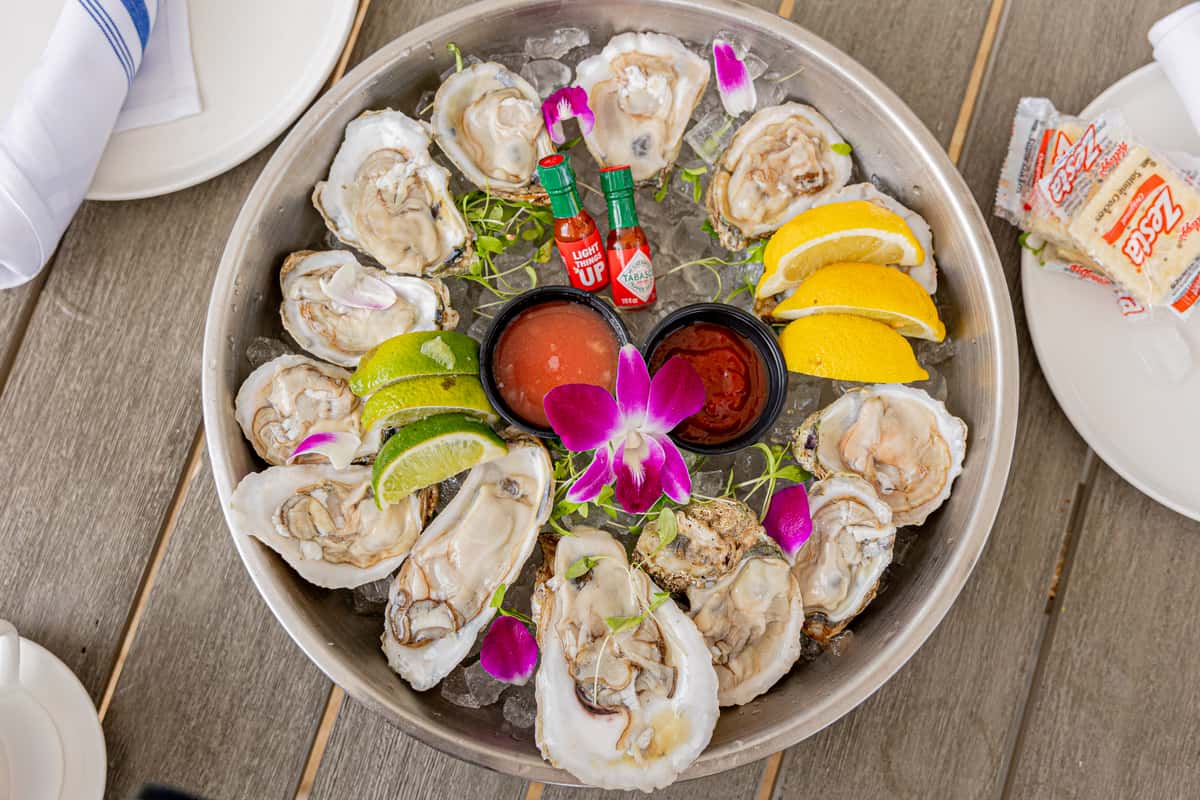
A raw bar reflects the local waters by showcasing seafood sourced from nearby coastal regions, turning each plate into a direct expression of the surrounding bay. Oysters, clams, and ceviche served on ice create an immediate sensory connection between what guests see on the water and what appears on their table.
Full-chain traceability, increasingly emphasized across the seafood industry, reinforces this link. According to the World Wildlife Fund's 2024 progress report, seafood supply chains now place growing emphasis on tracing products back to the specific geographic location of harvest. For a waterfront venue, that level of transparency transforms a raw bar from a menu category into a statement of place. When guests know the origin of what they are eating, the bay outside the window becomes part of the meal itself.
How Can Seasonal and Local Ingredients Strengthen the Culinary Narrative?
Seasonal and local ingredients strengthen the culinary narrative by tying a restaurant's menu to the rhythms of its environment. Dishes built around what is currently available in South Florida waters and farms shift with the calendar, giving returning guests a reason to explore the menu anew.
This approach also carries weight with diners who prioritize sustainability. Research from the Island Institute found that consumers are willing to pay a premium for sustainably harvested seafood with verified certifications. Rotating offerings based on seasonal availability reduces reliance on long supply chains and signals environmental responsibility without requiring a mission statement on the menu. The result is a culinary program that feels alive, connected to its geography, and impossible to replicate at an inland location.
With the menu grounded in place and season, service style becomes the next layer of the bayfront experience.
How Does Service Style Adapt to the Bayfront Atmosphere?
Service style adapts to the bayfront atmosphere by aligning pacing, guest interactions, and staff knowledge with the relaxed yet refined energy of a waterfront setting. The following sections explore specific experience touches and how staff can carry a restaurant's story forward.
What Guest Experience Touches Enhance a Relaxing, Escapist Ambiance?
Guest experience touches that enhance a relaxing, escapist ambiance include unhurried pacing, sensory details, and moments of discovery woven into every interaction. A waterfront restaurant succeeds when service reinforces the environment rather than competing with it. Key touches that deepen the sense of escape include:
Allowing natural pauses between courses so diners can absorb the bay views and ambient sounds.
Greeting guests with a welcome ritual tied to the setting, such as a chilled towel or a signature arrival drink.
Offering flexible seating timing that lets parties linger without pressure, matching the leisurely rhythm of the water.
Training servers to read the table's energy and adjust pacing accordingly, shifting from attentive to invisible as the mood requires.
According to a 2020 American Psychological Association report, exposure to water-based settings is linked to improvements in mood and reduced stress within as little as 1 to 10 minutes. Service that gives guests space to absorb these natural benefits, rather than interrupting with rigid course timing, turns a meal into genuine respite.
How Can Staff Embody the Restaurant's Unique Historical Story?
Staff can embody the restaurant's unique historical story by learning its narrative deeply enough to share it conversationally, not as a rehearsed script. When servers, hosts, and bartenders understand the significance of a location like Dinner Key, where Pan American World Airway's Clipper flying boats once departed for distant destinations, every guest interaction becomes an opportunity for storytelling.
Effective approaches include:
Training staff on key historical milestones so they can answer guest questions with confidence and specificity.
Encouraging natural storytelling moments, such as pointing out design elements inspired by the golden age of aviation.
Empowering team members to personalize the narrative based on a guest's curiosity level.
Staff who genuinely connect with the history transform routine hospitality into something memorable. With service attuned to both setting and story, the menu becomes just one layer of a much richer dining experience.
How Can You Experience the Bayshore Club's Unique Waterfront Dining?
You can experience Bayshore Club's unique waterfront dining by visiting Coconut Grove's historic Dinner Key waterfront, where all-day menus, a dedicated raw bar, and bay-inspired atmosphere converge.
What All-Day Dining and Raw Bar Offerings Bring the Bay to Life at Bayshore Club?
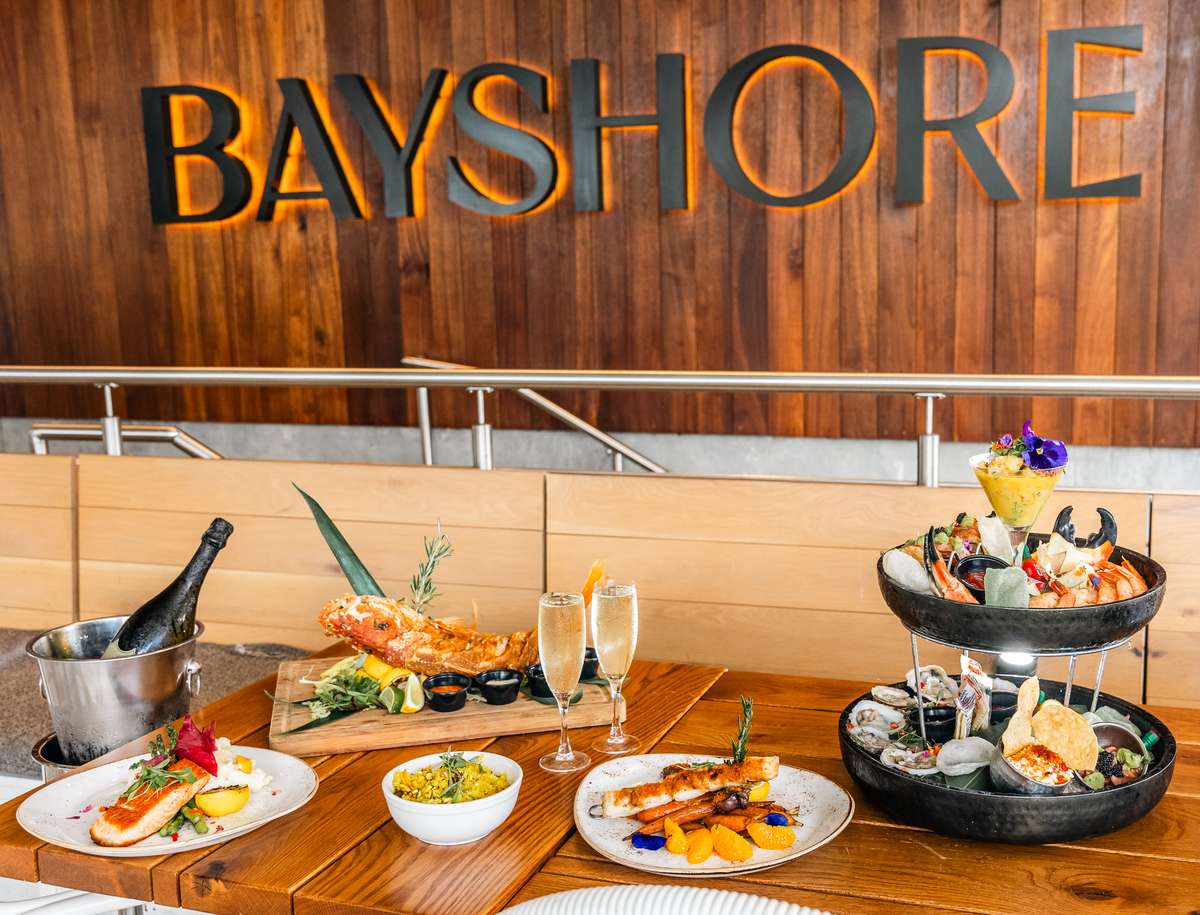
All-day dining and raw bar offerings bring the bay to life at Bayshore Club by anchoring every meal around fresh seafood and uninterrupted waterfront views. The all-day menu spans brunch through dinner, while the raw bar showcases a rotating selection of seafood delicacies sourced for quality and freshness. Coconut Grove restaurants leverage the area's lush banyan tree canopy and waterfront proximity to create outdoor dining experiences that consistently generate higher preference scores among local diners. Bayshore Club builds on this advantage, pairing its Biscayne Bay setting with live bands and a cocktail program that reinforces the "vacation state-of-mind" the brand was built around. Few waterfront concepts commit this fully to letting the bay shape the entire guest experience.
What Are the Key Takeaways About Designing a Restaurant Around the Bay, Not Just the Menu?
The key takeaways about designing a restaurant around the bay, not just the menu, center on treating the waterfront as the foundation for every design and operational decision. Architecture, interior materials, outdoor layouts, heritage storytelling, and sound design should all respond to the bay's presence rather than simply decorating around it. Even sourcing matters; the Monterey Bay Aquarium's Seafood Watch Best Choice Restaurant Program requires partners to commit to offering at least one "green-rated" seafood dish, reinforcing that sustainability strengthens a bay-driven concept. When location, atmosphere, and culinary narrative align, the dining experience becomes inseparable from its setting. Bayshore Club applies these principles at Dinner Key, where Coconut Grove's waterfront heritage and Pan American aviation history inform everything from décor to plate.