
Engagement Party Etiquette: Guide
Engagement Party Etiquette: Guide
Engagement party etiquette is the set of social guidelines that govern hosting, guest lists, gifting, attire, and toasts for the first celebration after a proposal. We created this guide to cover hosting roles and responsibilities, guest list and invitation planning, timing and venue selection, food and beverage decisions, and gift, dress code, and toast expectations.
Modern couples now share hosting duties with parents, friends, or co-hosts rather than following the traditional rule that the bride's family plans the event. Self-hosting gives couples full creative control over menus, venues, and the overall guest experience, while friend-hosted or parent-hosted celebrations range from formal venue dinners to casual surprise gatherings.
One of the most recognized rules in engagement party etiquette is that every guest invited to the party should also receive a wedding invitation. Couples planning destination weddings, intimate ceremonies, or elopements can host larger engagement parties only if they communicate those plans early so no one feels excluded.
The ideal window for hosting falls within one to three months after the proposal, with invitations sent four to six weeks in advance. Booking a venue at least two to three months ahead secures availability, and avoiding major holidays prevents conflicts with existing family commitments.
Food and drink choices should match the event's formality. Passed hors d'oeuvres and cocktail-style small bites suit casual celebrations, while plated dinners fit formal settings. Signature cocktails, raw bars, and mocktail options add personalization and inclusivity.
Gifts are welcome but never required, and requesting them outright is widely considered the only true etiquette misstep. Toasts belong near the beginning of the party, stay within one to two minutes, and focus on the couple as a unit.
Why Is Engagement Party Etiquette Important for Modern Couples?
Engagement party etiquette is important for modern couples because it sets the tone for every celebration that follows, from the bridal shower to the wedding itself. The subsections below cover how recent trends have reshaped traditions and which common mistakes to avoid.
How Have Recent Trends Changed Engagement Party Traditions?
Recent trends have changed engagement party traditions by expanding who hosts, how events are styled, and what guests expect. According to The Knot Real Wedding Study, a quarter of soon-to-be-married couples now have an engagement party. Friends increasingly organize these celebrations themselves, with formats ranging from formal venue dinners to casual surprise gatherings at someone's home.
Several shifts stand out:
- Late-night snack stations, such as mini tacos, sliders, and French fry bars, keep energy high as parties extend into the evening.
- Decor budgets for items like florals, signage, and custom cocktail napkins typically fall between $1,000 and $3,000.
- Trivia games and printable activities cost less than $40 and add interactive entertainment.
- Semi-formal dress codes now call for luxurious fabrics like silk or satin, with men leaning toward darker suits.
- Toasts happen early, typically before food is served, keeping them short and celebratory.
For couples planning around tight schedules, avoiding major holidays prevents conflicts with family traditions that guests may already have set.
What Common Mistakes Should Be Avoided?
The most common mistakes to avoid are mismatched guest lists and demanding gifts. Inviting someone to the engagement party but not to the wedding creates confusion and hurt feelings. Couples planning a small wedding, destination ceremony, or elopement should communicate those details early so no one feels excluded later.
Requesting gifts outright is considered the biggest breach of engagement party etiquette. Letting guests opt in or out on their own is the respectful approach. Additionally, scheduling the party on a major holiday risks low attendance, since family traditions often take priority on those dates. Thoughtful planning on these details prevents awkward situations before the wedding season even begins.
Understanding these pitfalls early helps couples focus on what matters most: choosing the right venue and guest experience.
Who Should Host the Engagement Party?
An engagement party can be hosted by the couple, their parents, close friends, or any combination. The sections below cover when self-hosting works and when it makes sense for loved ones to step in.
Can Couples Host Their Own Engagement Party?
Yes, couples can host their own engagement party. According to Parties A' La Carte (via The Knot), the bride's parents traditionally held hosting duties, but modern couples make their own rules and decide the parameters of those logistics. Self-hosting gives couples full creative control over the menu, venue, and guest list.
It also creates a natural opportunity to bring both families together for the first time. One growing trend is surprise engagement parties held immediately after the proposal, often organized by one partner with costs split between hosts. For couples who prefer to personalize every detail, from heritage-inspired menus to the toast lineup, hosting your own celebration makes the most sense.

When Is It Appropriate for Friends or Family to Host?
It is appropriate for friends or family to host an engagement party when they want to honor the couple and relieve them of planning duties. Parents often take the lead when the event centers on a family-focused gathering with a smaller, more intimate guest list. When parents from both sides co-host, the celebration can serve as a meaningful first introduction between the two families.
Close friends are equally welcome to organize the party. These friend-hosted celebrations range from formal dinners at a restaurant or venue to casual gatherings at someone's home. Whoever hosts typically handles the toast responsibilities as well, though siblings or a close friend can also lead. The key consideration is simple: if someone offers to host, the couple should feel comfortable accepting graciously.
Understanding hosting roles helps clarify the next important question: who belongs on the guest list.
Who Gets Invited to an Engagement Party?
Engagement party guest lists should include only people who will also receive a wedding invitation. The following sections cover how to align your guest list with the wedding and the best way to send invitations.
Should the Guest List Match the Wedding Guest List?
The guest list should match the wedding guest list. According to The Knot, everyone invited to the engagement party should ultimately be invited to the wedding; otherwise, guests might wonder what they did to offend the couple. This is one of the most widely recognized rules in engagement party etiquette.
When parents host the celebration, the guest list tends to be smaller and more family-focused, with friends sometimes included. That smaller scope naturally keeps the list within wedding-invite boundaries.
There is one exception worth noting. Couples planning a destination wedding, intimate ceremony, or elopement can host a larger engagement party if they communicate early that the wedding itself will be small. Letting guests know upfront during the planning stage prevents hurt feelings when wedding invitations go out to a narrower group. For most couples, though, the simplest approach is to treat the engagement party guest list as a subset of the wedding list, not a separate one.
How Should Invitations Be Sent?
Invitations should be sent four to six weeks before the engagement party, according to Evite. Sending early gives guests enough time to arrange travel or clear their schedules, especially for out-of-town attendees.
The format depends on the event's tone. Digital platforms work well for casual gatherings because they allow hosts to track RSVPs and share event details instantly. Printed invitations suit more formal celebrations and set a polished first impression. Either format should clearly state the date, time, venue, and dress code so guests arrive prepared.
With the guest list and invitations settled, the next step is understanding the key dos and don'ts of engagement party planning.
What Are the Key Dos and Don'ts for Engagement Party Planning?
The key dos and don'ts for engagement party planning center on thoughtful preparation and avoiding common etiquette pitfalls. Below, the top dos cover what makes celebrations successful, while the major don'ts highlight mistakes that can create awkward situations.
What Are the Top Dos for a Successful Engagement Party?
The top dos for a successful engagement party include planning ahead, being a gracious host, and setting clear expectations for guests.
- Do send invitations early. Give guests plenty of notice so they can plan around the date.
- Do keep the guest list intentional. Only invite people who will also receive a wedding invitation.
- Do set a gift-giving tone gently. Share your registry if asked, but never request gifts outright. According to NJ.com, a helpful shortcut for guests is to aim for 25 to 50 percent of what they expect to spend on the wedding gift.
- Do communicate the dress code. Include attire guidance on the invitation so guests feel comfortable and appropriately dressed.
- Do plan a brief toast. Designate a host, parent, or close friend to offer a short, heartfelt toast early in the evening.
Setting these foundations early prevents confusion and lets everyone focus on celebrating the couple.
What Are the Major Don'ts to Avoid Etiquette Mishaps?
The major don'ts to avoid etiquette mishaps involve guest list oversights, gift pressure, and poor timing decisions.
- Don't invite people who won't make the wedding guest list. This creates hurt feelings when wedding invitations go out without their names.
- Don't demand gifts. Requesting presents outright is widely considered the biggest engagement party etiquette mistake.
- Don't schedule the party on a major holiday. Guests often have existing family commitments on holidays with strong traditions, which leads to low attendance.
- Don't wait too long after the proposal. Delaying beyond three or four months puts the party in conflict with full-scale wedding planning.
- Don't skip communicating wedding plans. If planning an intimate ceremony, destination wedding, or elopement, let engagement party guests know early so expectations stay aligned.
Avoiding these common missteps keeps the celebration joyful and sets a positive tone for every event that follows.
When Should You Host an Engagement Party After Getting Engaged?
You should host an engagement party one to three months after the proposal. The ideal timing depends on your wedding date and how quickly wedding planning ramps up.
How Far in Advance Should You Hold the Party?
You should hold the engagement party within one to three months of getting engaged. According to The Knot, the sweet spot is two to three months after the proposal, based on the average engagement length of about 15 months. Couples with shorter engagements of less than a year should aim to celebrate within a month, even if that means a smaller, more informal gathering.
Waiting beyond three or four months is risky because wedding planning demands tend to intensify. Scheduling the party early keeps it from competing with venue tours, vendor tastings, and other logistics. For couples in South Florida, where outdoor celebrations are viable nearly year-round, this flexibility makes early planning even easier.
Are There Trendy Times or Seasons for Engagement Parties?
Trendy times for engagement parties follow proposal season patterns. December and February produce the highest concentration of engagements, which means spring celebrations (February through April) are especially popular. Summer and early fall also work well for couples who got engaged during vacation season.
Because engagement parties serve as the first celebration before bachelor/bachelorette parties, bridal luncheons, and rehearsal dinners, timing them in a lighter social calendar window helps ensure strong attendance. Avoid scheduling on major holidays when guests may already have plans. Weekend brunches and sunset cocktail hours remain consistently popular formats, particularly at waterfront settings where the atmosphere does much of the work for you.
Understanding timing helps set the stage for choosing a venue that matches the celebration's energy.
Where Are the Best Venues for Hosting an Engagement Party?
The best venues for hosting an engagement party include restaurants, bars, parks, banquet halls, country clubs, hotels, and private homes. Guest count, budget, and atmosphere all shape the right choice, as the sections below explain.
What Factors Should You Consider When Choosing a Venue?
The factors you should consider when choosing a venue include:
- Guest count and layout. Confirm whether the space accommodates your group for seated dining, cocktail-style mingling, or both.
- Budget and minimum spend. According to The Knot, a private room at a restaurant or catering venue generally costs $2,000 to $10,000 plus, with some locations requiring a booking fee on top of a food and beverage minimum.
- Included amenities. Evaluate whether the venue provides in-house catering, bar service, linens, and audiovisual equipment, or if you need outside vendors.
- Accessibility and parking. Choose a location convenient for guests traveling from different areas, especially when both families are meeting for the first time.
- Booking timeline. Secure your venue at least two to three months before the party date to guarantee availability.
Couples who prioritize inclusive amenities, such as catering bundled with the space, often reduce coordination stress significantly.
Can Unique or Outdoor Venues Enhance the Celebration?
Yes, unique or outdoor venues can enhance the celebration by creating a memorable atmosphere that standard indoor spaces rarely match. Waterfront patios, rooftop terraces, botanical gardens, and historic estates give guests a distinctive backdrop for photos and conversation. Outdoor settings also allow for flexible layouts, from lounge-style seating to standing cocktail receptions. For couples in South Florida, Bayshore Club in Coconut Grove offers a historic waterfront setting at Dinner Key that brings natural scenery and flexible event space together, creating a memorable atmosphere for engagement celebrations.
In warm-weather locations like Coconut Grove, FL, waterfront dining venues offer year-round access to open-air spaces with natural scenery. The key is confirming that your outdoor venue has a weather contingency plan, adequate lighting for evening events, and restroom access nearby. A venue combining scenic views with on-site catering removes the logistical burden of coordinating multiple vendors.
With the right venue secured, the next step is planning a menu and drink selection that matches the setting.

How Should Food and Drinks Be Handled for Engagement Parties?
Food and drinks for engagement parties should match the event's formality, guest count, and time of day. The subsections below cover the most popular menu styles and whether specialty options like signature cocktails or raw bars are appropriate.
What Types of Menus Are Most Popular?
The types of menus most popular for engagement parties are passed hors d'oeuvres, cocktail-style small bites, buffets, and plated dinners. Passed appetizers and small bites work well for casual, mingling-friendly gatherings. Buffets suit mid-size groups where guests prefer variety, while plated dinners fit more formal celebrations. Couples increasingly choose menus that reflect personal heritage or favorite cuisines rather than standard banquet fare. For couples weighing options, cocktail-style receptions with small bites keep the tone relaxed and allow guests to move freely, which often suits the celebratory energy of an engagement party better than a seated dinner.
Is It Okay to Have a Signature Cocktail or Raw Bar?
Yes, it is okay to have a signature cocktail or raw bar at an engagement party. Both options add a personal, elevated touch without overcomplicating the event. A signature cocktail gives the couple a chance to showcase their personality or honor a shared memory, while a raw bar provides an interactive food station guests can enjoy throughout the evening. Bayshore Club's seafood-centric menu includes a raw bar that serves as both an elegant food station and conversation piece, complementing the venue's coastal American cuisine approach for couples seeking a sophisticated yet relaxed celebration. According to a 2026 Zola trend report, mocktail menus are rising in popularity as Gen Z (now 51% of engaged couples) prioritizes inclusivity by offering high-quality, spirit-free options alongside traditional drinks. Pairing a signature cocktail with a non-alcoholic counterpart ensures every guest feels considered.
With food and drink decisions settled, the remaining details around gifts, dress codes, and toasts complete the etiquette picture.
What Are the Expectations for Gifts, Dress Codes, and Toasts?
The expectations for gifts, dress codes, and toasts at engagement parties are flexible but guided by established etiquette. Gifts are welcome but not required, dress codes typically fall into cocktail attire, and toasts remain short and heartfelt.
Should Guests Bring Gifts to an Engagement Party?
Guests should not feel obligated to bring gifts to an engagement party. Unlike a bridal shower, gifts are not a requirement for attending. According to Vogue, while bringing a gift is a kind and common gesture, it is not expected.
If guests do want to give something, thoughtful options include:
- An item from the couple's registry, if one is already in place
- Gift-wrapped champagne flutes or monogrammed cheese boards
- Coffee table books or a heartfelt card
The one thing to avoid is requesting gifts outright. Letting guests opt in or out on their own is the safest approach, since demanding presents is widely considered the only true breach of engagement party etiquette.
What Dress Codes Are Appropriate for Modern Engagement Parties?
The dress codes appropriate for modern engagement parties most often fall into the cocktail attire category. According to David's Bridal, this means polished but not overly formal, similar to dressing up for a nice dinner out with friends but with a bit more sparkle.
For cocktail attire, women typically wear knee-length or midi dresses, dressy jumpsuits, or coordinated separates. Men can go with a suit and tie or a blazer with dress pants. When in doubt, matching your outfit to the venue and time of day is always a safe strategy. Regardless of formality level, guests should avoid white, ivory, cream, and champagne colors, since these traditionally belong to the couple.

Who Should Make Toasts, and When?
The people who should make toasts at an engagement party typically include the hosts, the couple's parents, siblings, or a close friend. There is no rigid rule here; anyone with a meaningful connection to the couple can raise a glass.
Timing matters as much as the speaker. Toasts usually take place toward the beginning of the party, after guests have arrived but before food is served. Because an engagement party is typically shorter and more casual than the wedding reception, toasts should reflect that tone. Keeping remarks within the one-to-two-minute mark, as Junebug Weddings recommends, strikes the right balance between meaningful and concise.
With gifts, attire, and toasts handled gracefully, couples can focus on choosing a venue that sets the right tone.
How Should You Approach Engagement Party Etiquette at Bayshore Club in Coconut Grove?
You should approach engagement party etiquette at Bayshore Club in Coconut Grove by pairing proper planning fundamentals with the venue's waterfront dining flexibility. The following sections cover how Bayshore Club's offerings complement engagement celebrations and the essential takeaways every couple should remember.
Can Bayshore Club's All-Day Dining and Raw Bar Elevate Your Engagement Party?
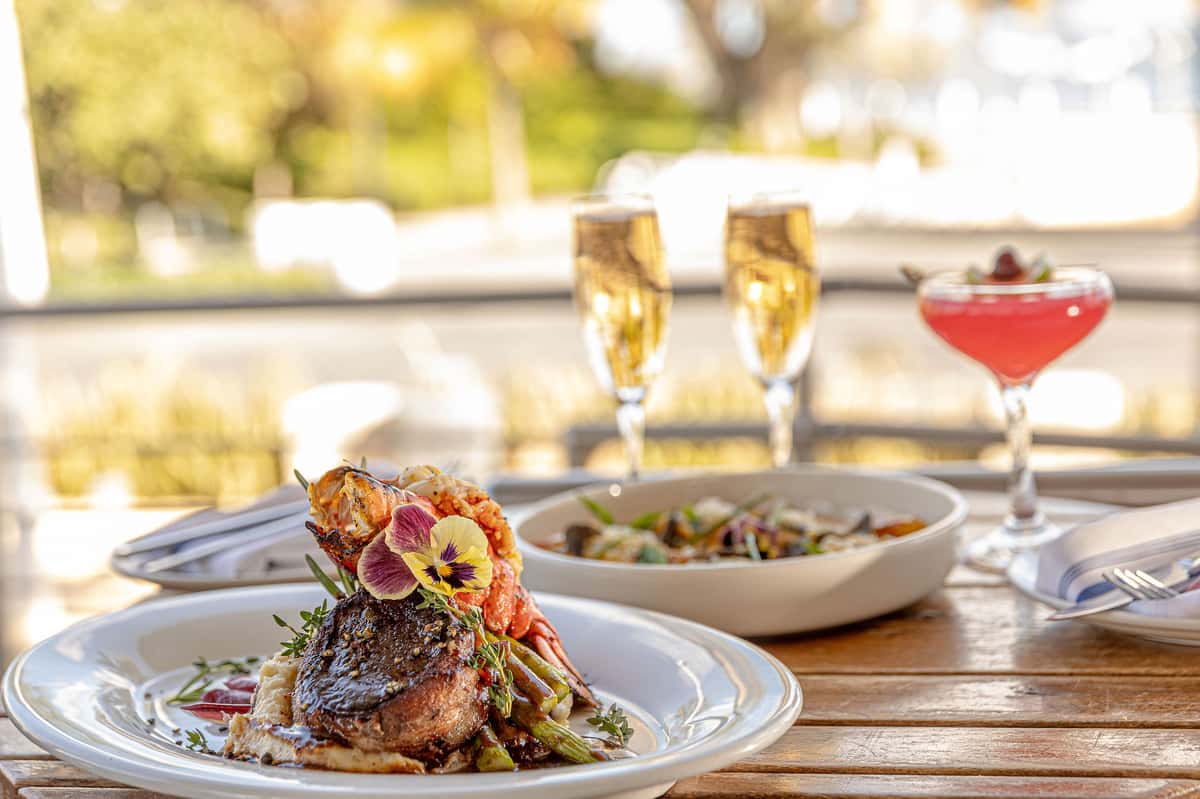
Yes, Bayshore Club's all-day dining and raw bar can elevate your engagement party by offering a seamless celebration from brunch through evening service. Bayshore Club in Coconut Grove provides waterfront dining with flexible event space, accommodating semi-private dining from 20 seated to 50 cocktail guests and buyout options from 160 seated to 250 cocktail guests. The seafood-centric menu, including chilled raw bar selections, gives couples a coastal American cuisine foundation that feels celebratory without requiring outside catering. Bayshore Club's service team also accommodates special dietary preferences, which simplifies hosting for mixed guest lists. For couples who want their engagement party to feel like an escape, the historic Dinner Key waterfront setting delivers that effortlessly.
What Are the Key Takeaways About Engagement Party Etiquette?
The key takeaways about engagement party etiquette center on thoughtful timing, inclusive guest lists, and clear communication. Every engagement party guest should also receive a wedding invitation; couples planning intimate weddings or elopements need to communicate that early so no feelings are hurt. Gifts are welcome but never expected, and requesting them outright remains the one true etiquette misstep. Toasts should stay short, personal, and focused on the couple as a unit. Hosting responsibilities are flexible today, whether parents, friends, or the couple themselves take the lead. The ideal timing falls within one to three months after the
proposal, with invitations sent four to six weeks in advance. Choosing a venue that handles catering, beverages, and event coordination in-house, like Bayshore Club, removes logistical stress so couples can focus on celebrating with the people who matter most.