
Hospitality That Feels Natural, Not Forced
Hospitality That Feels Natural, Not Forced
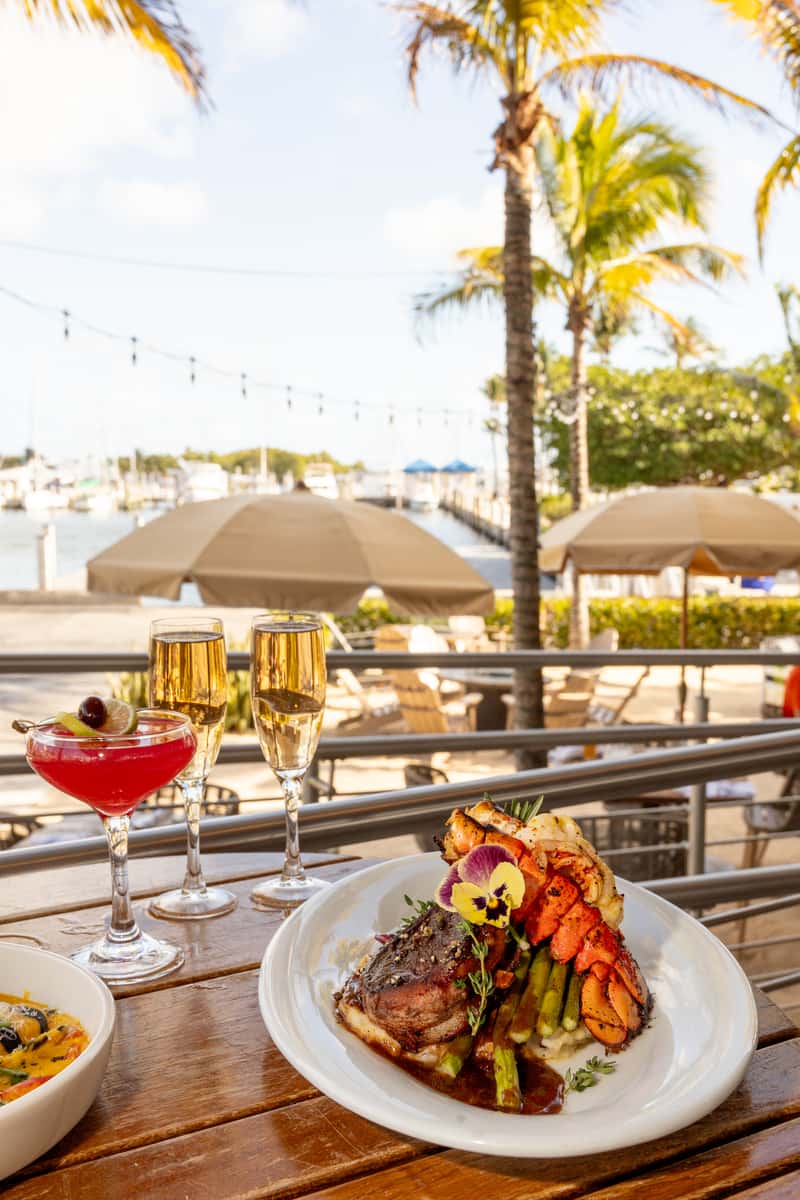
Natural hospitality is service that anticipates guest needs and responds with genuine warmth rather than relying on scripted interactions or rehearsed phrases. It is the difference between a staff member who reads a situation and adapts instinctively and one who recites a checklist regardless of context.
This guide covers guest psychology and perceptions of authentic service, the role of atmosphere and environment in shaping comfort, how staff attitudes and emotional intelligence drive genuine interactions, the relationship between dining experiences and organic hospitality, and the balance between technology and personal touch.
Guests consistently distinguish between sincere engagement and surface-level performance. When service feels mechanical, it erodes trust; when it feels intuitive, it builds loyalty. Nearly half of hospitality customers focus specifically on how they are treated rather than what is said, making tone and sincerity more influential than any script.
Physical environment plays an equally critical role. Elements like lighting, acoustics, layout, and natural surroundings directly influence mood and social ease. A space designed to feel restorative lowers guests' guard and makes warmth from staff land more naturally.
Emotional intelligence separates competent service from memorable hospitality. Staff who read subtle cues, adjust their approach in real time, and engage in genuine conversation create connections that rigid training protocols cannot replicate. This skill can be developed through focused practice.
Dining format and flexibility reveal whether a venue prioritizes guest comfort or operational convenience. Technology, when used thoughtfully, supports personalization without replacing the human element that defines hospitality at its best.
Why Do Guests Value Natural Hospitality Over Formal or Scripted Service?
Guests value natural hospitality over formal or scripted service because authentic interactions build trust, while rehearsed exchanges feel impersonal. The sections below explore how staff create genuine connections and which signs of forced service guests notice most.
How Can Staff Create Genuine Connections With Guests?
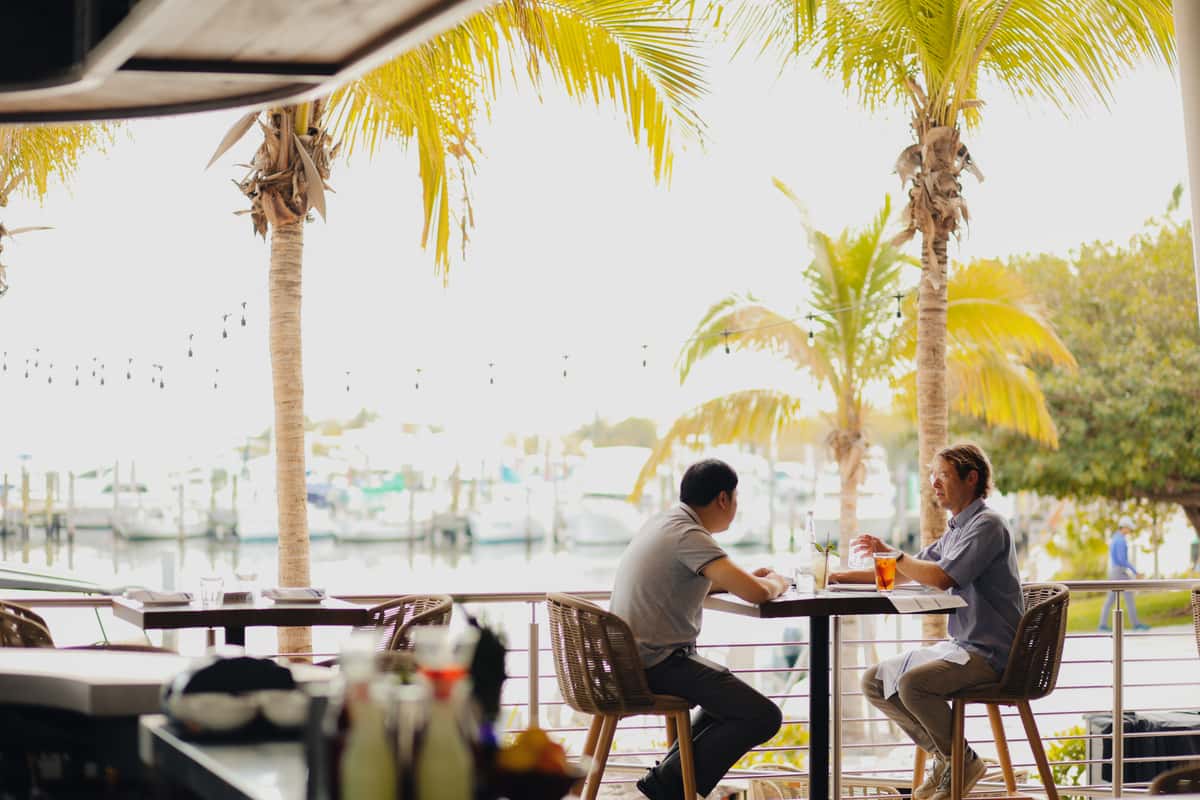
Staff can create genuine connections with guests by reading emotional cues, adapting in real time, and treating each interaction as personal rather than procedural. Emotional intelligence is the foundation of this skill. As Enari Bryant, Sales Manager at Brick Hospitality, explains, "emotionally intelligent leaders recognize that the heart of the hospitality industry lies in human connections, both within their teams and with guests," noting that EQ helps professionals identify subtle cues and adjust their approach to each guest's unique needs.
Aman Resorts demonstrates this principle through a "culture of saying yes," where staff are hired for attitude over credentials and encouraged to engage naturally, making conversations feel personal rather than transactional. For most hospitality settings, prioritizing warmth and attentiveness over memorized scripts yields far stronger guest loyalty.
What Are Common Signs of Forced Hospitality That Guests Notice?
Common signs of forced hospitality that guests notice include robotic greetings, overly rehearsed upselling, inability to deviate from a script, and mismatched body language where a smile does not reach the eyes. These signals erode trust quickly.
A Cornell University Center for Hospitality Research study found that a 1-point increase in a hotel's online reputation score (on a 5-point scale) allows a hotel to raise its price by 11.2% while maintaining the same occupancy, corresponding to a 1.42% increase in RevPAR. That link between perceived authenticity and revenue is significant.
High turnover compounds the problem; forced service often stems from undertrained replacements cycling through roles. Physical environment also plays a role: research in environmental psychology reveals that elements such as acoustics, lighting, and biophilic design directly influence guest mood and social interaction, meaning a stiff service style clashes even more in a space designed for relaxation.
Understanding these warning signs helps venues design training and environments that support genuine warmth instead.
How Does Venue Atmosphere Influence the Feeling of Authentic Hospitality?
Venue atmosphere influences the feeling of authentic hospitality by shaping guest mood, comfort, and emotional openness before any staff interaction occurs. The following sections explore why physical setting matters and how distinctive locations deepen perceived authenticity.
Why Is Setting Important for a Relaxed, Welcoming Experience?
Setting is important for a relaxed, welcoming experience because physical surroundings directly shape how guests feel from the moment they arrive. According to research published in MDPI's Buildings journal, environmental psychology in restaurant design reveals that acoustics, lighting, and layout directly influence social interaction and guest mood, with biophilic design elements specifically integrated into modern hospitality to foster relaxation and improve psychological well-being.
When a space feels intentional, whether through natural light, comfortable sightlines, or thoughtful acoustics, guests lower their guard. That openness makes every subsequent interaction feel warmer and less transactional. Poorly designed environments, by contrast, create tension that even the most skilled staff struggle to overcome.
How Do Historical or Unique Locations Enhance Hospitality's Authenticity?
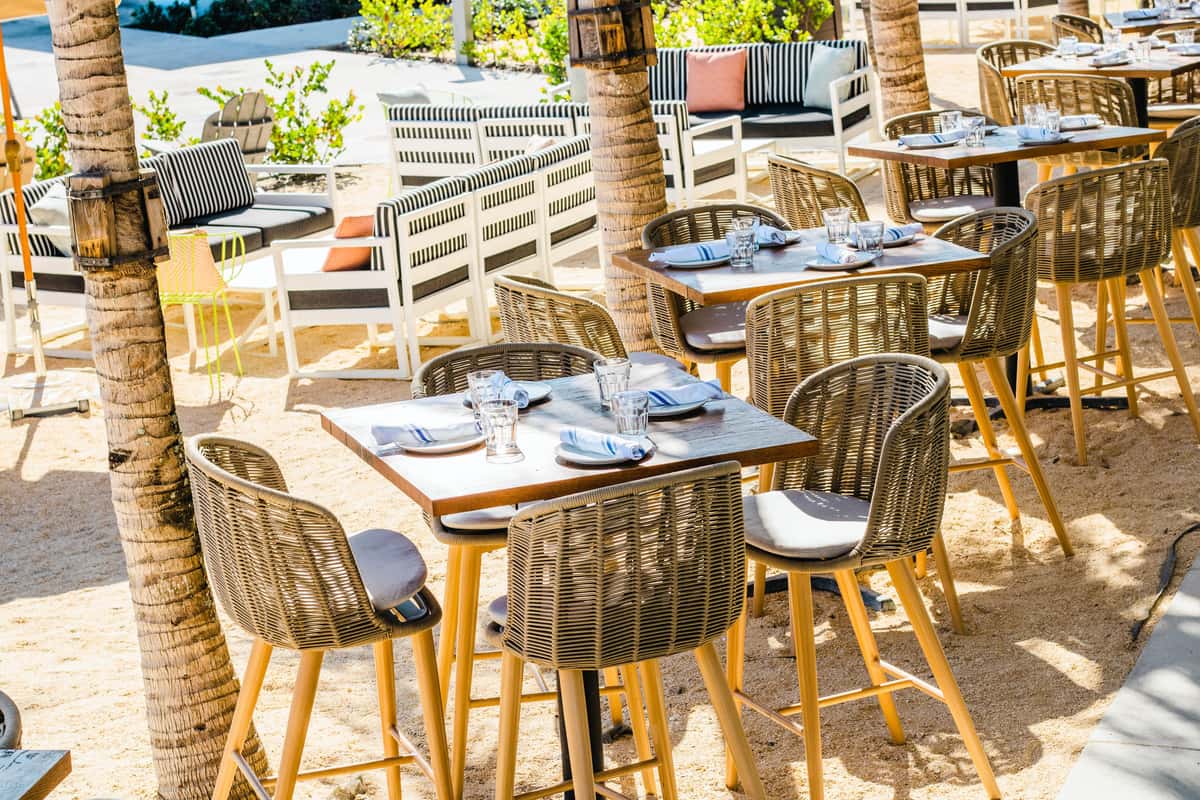
Historical or unique locations enhance hospitality's authenticity by grounding the guest experience in a narrative that feels genuine rather than manufactured. A venue with real heritage offers something no amount of decor styling can replicate: a sense of place that visitors instinctively trust.
Coconut Grove's Dinner Key waterfront, for example, served as the base for Pan American World Airways' Clipper planes during the 1930s and 1940s. Bayshore Club draws on that golden-age-of-travel legacy, pairing panoramic bay views with design aesthetics that reference the site's aviation history. These elements do not merely decorate; they provide context that makes warmth feel rooted and purposeful. When atmosphere tells an honest story, hospitality becomes an extension of the place itself rather than a performance layered on top.
With atmosphere setting the emotional stage, the attitudes and behaviors of staff determine whether that promise of authenticity is fulfilled.
In What Ways Do Staff Attitudes and Behaviors Shape Natural Hospitality?
Staff attitudes and behaviors shape natural hospitality by determining whether guest interactions feel genuine or rehearsed. Training methods and emotional intelligence each play distinct roles in this outcome.
How Can Training Encourage Spontaneity and Warmth Without Losing Professionalism?
Training can encourage spontaneity and warmth without losing professionalism by prioritizing attitude-based hiring and flexible service frameworks over rigid scripts. Aman Resorts, for example, implements a "culture of saying yes" where staff are hired for attitude over credentials and encouraged to engage naturally with guests, creating conversations that feel personal rather than transactional.
Effective training programs build guardrails, not scripts. Staff learn core service standards and safety protocols, then receive the autonomy to adapt their delivery based on each guest's energy and needs. This approach works because it treats professionalism as a foundation rather than a constraint. When team members understand the "why" behind service principles, they can improvise the "how" without compromising quality.

What Role Does Emotional Intelligence Play in Genuine Guest Interaction?
Emotional intelligence plays a central role in genuine guest interaction by enabling staff to read subtle cues and respond with appropriate warmth. According to research from EHL Insights, emotional intelligence can be improved with focused training interventions, positioning it as the "hospitality skill of the future."
This skill allows a server to sense when a guest wants lively conversation versus quiet privacy, adjusting without being told. However, as hospitality increasingly integrates automation, maintaining this human sensitivity becomes more urgent. A study on guest-robot interactions found that automation, while efficient for routine tasks, risks fostering an "objectified perception" of frontline employees, potentially diminishing perceived warmth of service. Emotional intelligence is the counterbalance; it ensures technology handles logistics while people handle connection.
With staff attitudes anchoring service quality, the dining experience itself becomes the next proving ground for natural hospitality.
How Do Dining Experiences Reflect Natural Versus Forced Hospitality?
Dining experiences reflect natural versus forced hospitality through the thoughtfulness of what is served and how flexibly the service adapts to each guest. Menu design and service responsiveness both signal whether a venue genuinely welcomes guests or merely processes them.
How Can Menu Offerings and Presentation Contribute to an Organic Welcome?
Menu offerings and presentation contribute to an organic welcome by signaling care before a single word is exchanged between staff and guest. A menu built around fresh, seasonal ingredients communicates that the kitchen prioritizes quality over convenience. When dishes arrive with thoughtful plating that feels intentional rather than formulaic, guests sense genuine pride behind the experience.
Presentation extends beyond the plate itself. Environmental psychology research published in MDPI's Buildings journal reveals that physical surroundings, including lighting, acoustics, and layout, directly influence guest mood and social interaction, with biophilic design elements specifically integrated into modern hospitality to foster relaxation.
A menu that reads like an invitation, offering variety without overwhelming, gives guests permission to explore at their own pace. This stands in contrast to rigid, overproduced menus that prioritize spectacle over substance.
Why Does Flexibility in Service Matter for a Natural Guest Experience?
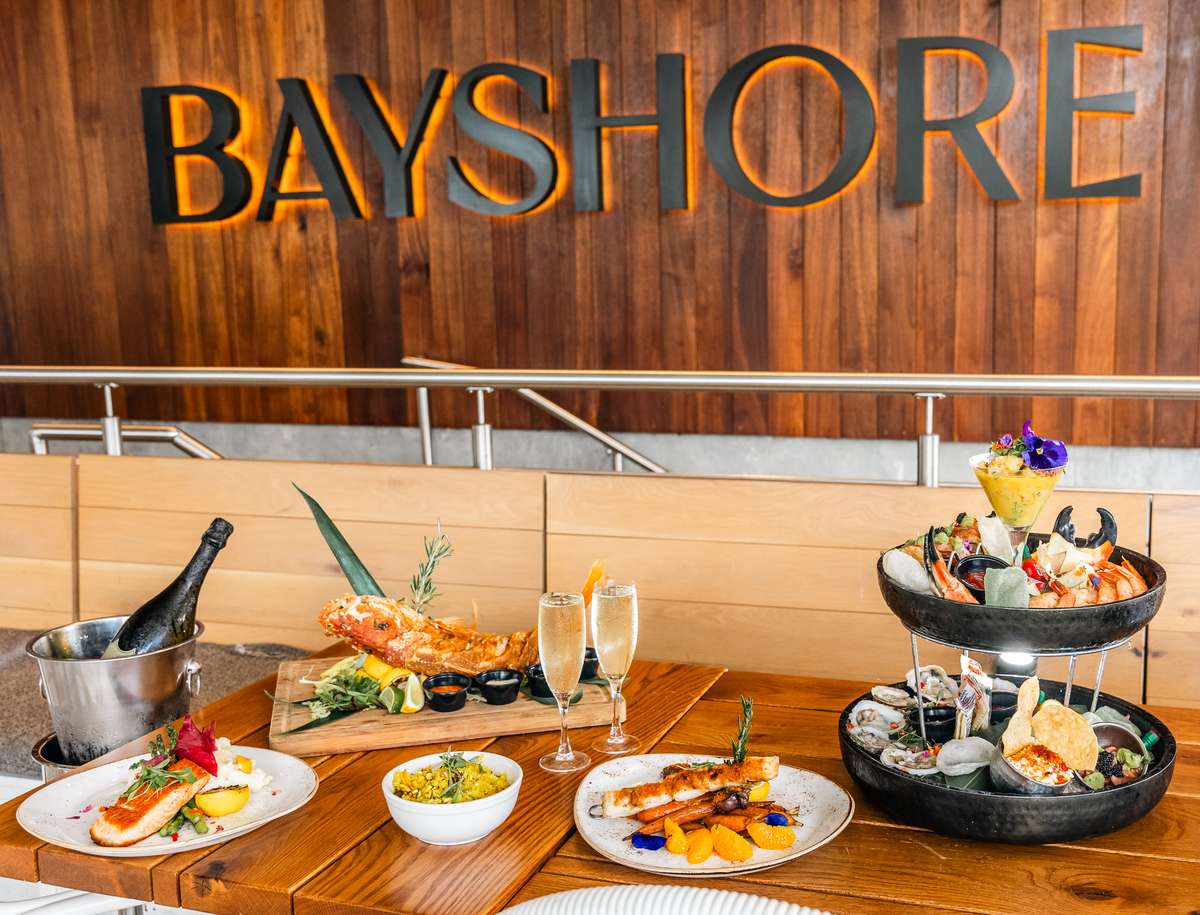
Flexibility in service matters for a natural guest experience because rigid protocols often feel impersonal, even when staff execute them perfectly. Guests notice when a server adjusts pacing to match the table's energy or accommodates an off-menu request without hesitation.
This adaptability requires genuine attentiveness. Rather than following a script that dictates when to check in or upsell, flexible service reads the room. A couple lingering over wine needs a different rhythm than a group celebrating a birthday; recognizing that difference is what separates authentic hospitality from mechanical performance.
Restaurants that empower their teams to make small judgment calls, whether splitting a dish, adjusting a cocktail, or simply letting a table breathe, create moments that feel personal. For most dining settings, prioritizing staff autonomy within clear quality standards yields warmer guest experiences than any checklist could.
With the dining experience shaped by both menu and service flexibility, the next consideration is what broader elements help guests feel truly at ease during their visit.
What Elements Help Guests Feel at Ease and "At Home" During Their Visit?
The elements that help guests feel at ease include personalization, anticipatory service, and thoughtful environmental details. The following subsections explore how personalized interactions build authenticity and how subtle design and service touches set welcoming venues apart.
How Can Personalization Make Hospitality Feel More Authentic?
Personalization makes hospitality feel more authentic by shifting interactions from transactional exchanges to genuine moments of recognition. When staff remember a returning guest's preferred table or acknowledge a special occasion without being prompted, the experience feels tailored rather than templated.
This approach requires what researchers call "deep acting," where service feels sincere rather than performed. A study from the Cornell University School of Hotel Administration found that nearly half of 2,407 U.S. hospitality customers focused on the treatment aspect of service scripts, reacting negatively when they detected employees going through the motions without sincerity. Authentic personalization, by contrast, signals that the guest matters as an individual. Even small gestures, like adjusting a recommendation based on a guest's mood or dietary preference, create a sense of being known rather than merely served.
What Subtle Touches Differentiate Welcoming Venues From Average Ones?
The subtle touches that differentiate welcoming venues from average ones are sensory and environmental details guests feel before they consciously notice them. These include:
Lighting calibrated to the time of day, shifting from bright and energizing at brunch to warm and intimate in the evening.
Acoustics that allow conversation without raising voices, balancing ambient energy with comfort.
Sightlines and spatial flow that let guests settle in without feeling crowded or exposed.
Staff pacing that matches the guest's rhythm rather than rushing or hovering.
Biophilic design elements, such as natural materials, open water views, and greenery, further foster relaxation and psychological well-being. These choices work together quietly; no single detail stands out, yet removing any one of them would diminish the overall sense of ease. The best venues treat atmosphere as a form of hospitality itself, which is also why balancing efficiency with personal touch becomes the next consideration.
How Can Businesses Balance Efficiency and Personal Touch in Hospitality?
Businesses can balance efficiency and personal touch in hospitality by using technology to handle routine tasks while preserving human-led moments for meaningful guest interaction. The following subsections explore when automation backfires and how it can enhance genuine care.
When Might Automation Undermine the Feeling of Natural Care?
Automation might undermine the feeling of natural care when it replaces the human moments guests value most. Routine tasks like reservation confirmations or order tracking benefit from digital systems, but guest-facing interactions lose warmth when a screen stands in for a person.
The risk is subtle yet measurable. A study published in the Journal of Hospitality and Tourism Technology found that guest-robot interactions can foster an "objectified perception" of frontline employees, where dehumanization through automation negatively impacts the perceived warmth of service.
This tension grows when businesses automate touchpoints that carry emotional weight, such as:
Greeting guests upon arrival
Responding to special requests or complaints
Reading the mood of a table to adjust pacing
For most hospitality settings, the safest approach is automating what guests never see while keeping every face-to-face moment genuinely human.
How Can Technology Support, Not Replace, Genuine Hospitality?
Technology can support genuine hospitality by operating invisibly behind service rather than standing between staff and guests. When systems handle preference tracking, timing logistics, and inventory management, they free team members to focus entirely on the person in front of them.
Anticipatory hospitality illustrates this well. Proactive tools that remember a returning guest's seating preference or dietary needs allow staff to deliver personalized care without asking repetitive questions. The result feels seamless rather than scripted.
Effective technology integration follows a simple principle: if the guest notices the system, it is too visible. The best digital tools remain backstage, quietly enabling the kind of attentive, unhurried service that makes people feel genuinely welcomed.
With efficiency handled behind the scenes, the guest experience can reflect a venue's deeper identity and values.
How Is Natural Hospitality Practiced at Bayshore Club in Coconut Grove?
Natural hospitality is practiced at Bayshore Club in Coconut Grove through a waterfront setting rooted in history, an adaptable dining program, and an atmosphere designed to make every guest feel unhurried. The following sections explore how the menu and overall experience deliver authenticity.
Can an All-Day Menu, Brunch, and Raw Bar Help Deliver Authentic, Natural Hospitality?
Yes, an all-day menu, brunch, and raw bar can help deliver authentic, natural hospitality by removing the rigid time constraints that often make dining feel transactional. Bayshore Club offers an all-day menu, brunch, happy hour from 4 PM to 6 PM, and a raw bar featuring fresh seafood, giving guests the freedom to eat on their own terms. This flexibility mirrors the "vacation state-of-mind" the restaurant cultivates on its historic Dinner Key waterfront. When guests choose what they want, when they want it, the experience feels personal rather than orchestrated. Bayshore Club maintains a 4.7 out of 5 OpenTable rating from 1,886 reviews, with service scoring 4.6 out of 5, reflecting consistent guest satisfaction. Panoramic bay views and golden-age-of-travel design elements further reinforce a restorative environment where hospitality emerges from the setting itself.
What Are the Key Takeaways About Hospitality That Feels Natural, Not Forced We Covered?
The key takeaways about hospitality that feels natural, not forced are:
Guests respond negatively to scripted "surface acting" and positively to sincere, emotionally intelligent service.
Physical environment, including lighting, acoustics, and biophilic design, directly shapes guest mood and social comfort.
Staff autonomy, hiring for attitude, and emotional intelligence training produce warmer interactions than rigid procedures.
Anticipatory service that removes guest effort often outperforms traditional reactive models.
Flexible dining formats let guests set their own pace, making the experience feel personal.
Technology should support human connection, not replace it; over-automation risks undermining perceived warmth.
Bayshore Club in Coconut Grove brings these principles together through its waterfront setting, adaptable menus, and an atmosphere inspired by the golden age of travel, creating hospitality that feels genuine from the moment guests arrive.