
Hotel vs Banquet Hall Wedding Venues Miami
Hotel vs Banquet Hall Wedding Venues Miami
A Miami wedding venue choice between a hotel and a banquet hall comes down to how each property structures its packages, handles vendor access, and shapes the guest experience. Hotels bundle lodging, catering, and coordination under one contract; banquet halls charge flat rental fees and grant couples independent control over vendors and design.
We cover the structural differences between these two venue types, their distinct advantages and limitations, how location and accessibility factor into the decision, the budget and vendor considerations couples should weigh, and how hybrid alternatives expand the options beyond conventional formats.
Hotels simplify logistics by combining room blocks, in-house kitchens, and dedicated banquet teams into a single point of contact. That consolidation benefits couples with large numbers of out-of-town guests but restricts menu customization and decor flexibility.
Banquet halls prioritize creative freedom. Open-vendor policies let couples hire independent caterers, florists, and entertainers, often reducing per-guest costs. The trade-off is greater hands-on coordination, from insurance compliance to emergency preparedness planning.
Miami's waterfront settings, Art Deco architecture, and cultural landmarks add a layer of decision-making that generic ballroom comparisons miss. Venues along Biscayne Bay or in historic neighborhoods like Coconut Grove create atmosphere that no standard hotel function room replicates.
Budget structures diverge sharply: hotels package pricing into per-person minimums, while banquet halls separate rental fees from vendor contracts. Comparing total costs across both models reveals which format stretches the budget further for each couple's guest count and priorities.
Hybrid venues, including waterfront restaurants, aviation-themed spaces, and botanical gardens, now compete directly with traditional properties. Bayshore Club in Coconut Grove combines Dinner Key's aviation heritage with bayfront dining, offering a middle ground between full-service hotel infrastructure and blank-canvas banquet hall flexibility.
What Are the Main Differences Between Hotel and Banquet Hall Wedding Venues in Miami?
The main differences between hotel and banquet hall wedding venues in Miami come down to package structure, vendor flexibility, and event customization. Hotels bundle lodging, catering, and coordination into one contract, while banquet halls typically offer more control over individual vendor choices and layout design.
How Do Hotels Typically Structure Wedding Packages?
Hotels typically structure wedding packages as all-inclusive bundles that combine venue rental, in-house catering, guest room blocks, and event coordination under a single contract. This bundled approach simplifies planning because one point of contact manages food, beverage service, table settings, and overnight accommodations.
Most hotel packages require a minimum food-and-beverage spend rather than a flat rental fee. The per-guest price usually covers a plated or buffet meal, open bar tiers, linens, and basic centerpieces. Upgrades for premium bar selections, audiovisual equipment, or floral enhancements add to the base cost. Because hotels lock couples into their own kitchen and beverage program, outside catering is rarely permitted.
For couples with many out-of-town guests, the built-in room block is a genuine advantage that eliminates separate lodging logistics.
How Are Banquet Halls in Miami Uniquely Suited for Weddings?
Banquet halls in Miami are uniquely suited for weddings because they prioritize layout flexibility and vendor independence. Unlike hotels, most banquet halls charge a flat rental fee and allow couples to hire their own caterers, florists, and entertainment.
This open-vendor model creates meaningful cost control. According to the City of North Miami's Grand Palace Ballroom rental agreement, the minimum wedding deposit is $2,000 with a $1,500 refundable security deposit, illustrating the straightforward fee structure many banquet halls use. Couples can negotiate directly with licensed caterers, compare bids, and tailor menus to cultural or dietary preferences without markup restrictions.
Banquet halls also tend to offer fewer scheduling conflicts, since they focus exclusively on private events rather than sharing space with hotel guests. That dedicated focus often translates into longer setup windows and greater freedom with decor transformation.
Understanding these structural differences helps couples evaluate which format better fits their priorities, from budget control to guest accommodations.
What Are the Pros and Cons of Choosing a Hotel Wedding Venue in Miami?
The pros and cons of choosing a hotel wedding venue in Miami center on convenience versus flexibility. Hotels bundle lodging, catering, and event coordination into one contract, while independent venues often allow open vendor selection. The sections below break down specific advantages and drawbacks.
What Are the Advantages of Hotel Wedding Venues?
The advantages of hotel wedding venues include consolidated logistics, on-site guest accommodations, and single-contract simplicity. Hotels in Miami typically offer:
- On-site rooms that eliminate guest transportation between the ceremony, reception, and overnight lodging.
- In-house catering, audiovisual equipment, and event coordination managed by a dedicated banquet team.
- Negotiated room blocks that lock in group rates for out-of-town attendees.
- Built-in infrastructure, such as commercial kitchens, backup generators, and ADA-compliant spaces, that reduces the need for outside rentals.
For couples prioritizing a streamlined planning process, these bundled services reduce the number of separate vendor contracts to manage. That consolidation is especially valuable when coordinating destination guests unfamiliar with Miami.
What Are the Potential Drawbacks of Hotel Wedding Venues?
The potential drawbacks of hotel wedding venues are limited vendor freedom, higher minimum spends, and less design flexibility. Most hotel contracts require couples to use exclusive in-house catering and bar services, restricting menu customization. By contrast, some independent Miami venues take a different approach; according to the Rubell Museum, no exclusive catering company is required, and clients are welcome to use the caterer of their choosing.
Other common limitations include:
- Preset ballroom layouts that constrain décor and floorplan creativity.
- Food and beverage minimums that can inflate the total budget, especially on peak weekend dates.
- Shared property use, meaning another event or regular hotel guests may occupy adjacent spaces during your reception.
Couples who value full creative control over vendors, décor, and ambiance often find hotel restrictions frustrating. Weighing these trade-offs against logistical convenience is essential before signing any contract.
Understanding these hotel-specific factors helps clarify how banquet halls compare on flexibility and cost.
What Are the Pros and Cons of Selecting a Banquet Hall Wedding Venue in Miami?
The pros and cons of selecting a banquet hall wedding venue in Miami center on design flexibility, vendor freedom, and insurance responsibilities. The sections below cover specific benefits and limitations couples should evaluate.
What Benefits Do Banquet Halls Offer for Miami Weddings?
The benefits banquet halls offer for Miami weddings include greater design control, flexible catering options, and dedicated event space. Unlike hotel ballrooms shared across corporate and social functions, a banquet hall typically reserves its full footprint for one wedding at a time.
Key advantages include:
- Full venue exclusivity: Couples often secure the entire property, eliminating competing events or hotel guest foot traffic during the reception.
- Outside vendor selection: Many banquet halls allow couples to hire independent caterers, florists, and entertainment, which can reduce per-guest costs.
- Layout customization: Open floor plans accommodate creative seating arrangements, themed installations, and ceremony-to-reception transitions without room changes.
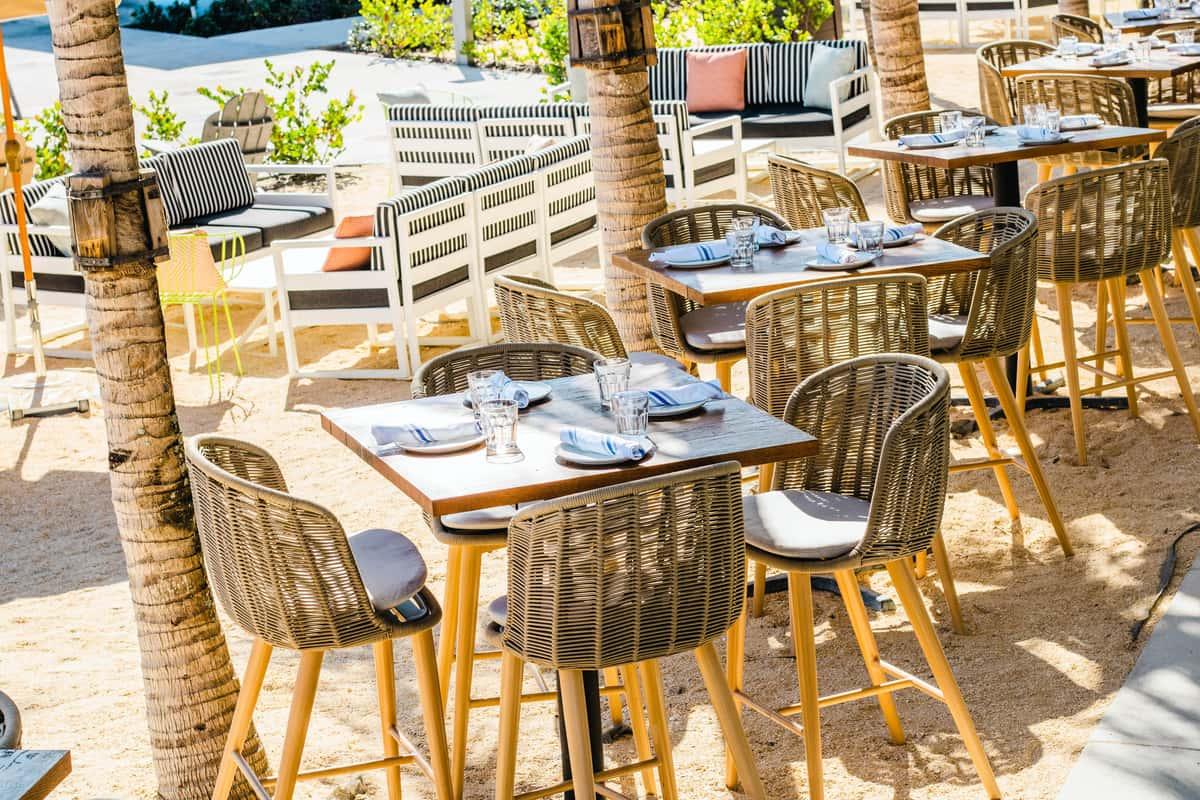
According to the City of Miami's required insurance guidelines, events with fewer than 3,000 participants need general liability coverage with $1,000,000 per occurrence and $2,000,000 aggregate limits. Banquet halls that handle this compliance in-house simplify the planning process considerably. For couples who value creative freedom over turnkey convenience, banquet halls remain one of the strongest venue categories in the Miami market.
What Are the Possible Limitations of Banquet Hall Venues?
The possible limitations of banquet hall venues include limited on-site accommodations, independent permit responsibilities, and weather vulnerability for facilities without indoor backup spaces.
Common drawbacks to evaluate:
- No guest lodging: Most banquet halls lack attached hotel rooms, requiring couples to coordinate separate room blocks at nearby properties.
- Infrastructure gaps: Some standalone venues may not include built-in AV systems, commercial kitchens, or backup generators, adding rental costs.
- Emergency preparedness responsibility: According to Ready.gov (FEMA), business preparedness plans should encompass communications planning, IT recovery, and continuity measures. Banquet halls without documented emergency protocols shift that burden onto the couple and their planner.
- Permitting complexity: Couples may need to independently verify fire code compliance, ADA accessibility, and local event permits depending on the municipality.
These limitations are manageable with thorough planning, but they require more hands-on coordination than a full-service hotel typically demands. Understanding each venue's emergency readiness and compliance status before signing a contract protects both the timeline and the budget.
How Do Location and Accessibility Compare for Hotels vs. Banquet Halls in Miami?
Location and accessibility compare differently for hotels and banquet halls in Miami based on proximity to transit, lodging, and scenic settings. The sections below cover guest accessibility and how waterfront or historic locations shape the wedding experience.
Which Venues Offer Better Accessibility for Local and Out-of-Town Guests?
Hotels offer better accessibility for out-of-town guests because on-site rooms, lobby gathering areas, and concierge services eliminate transportation logistics. Guests check in and walk to the ceremony without coordinating rideshares or navigating unfamiliar neighborhoods. Banquet halls, on the other hand, often provide stronger accessibility for local guests. Standalone venues in neighborhoods like Coconut Grove sit closer to residential areas, with dedicated parking lots and fewer competing hotel guests filling nearby streets. Miami's MIA Mover, Metrorail, and all Miami-Dade Transit buses are wheelchair-accessible, according to Miami International Airport's public transportation page. Couples hosting a mix of local and traveling guests should weigh whether consolidated lodging or neighborhood convenience matters more.
How Does Waterfront or Historic Location Impact the Experience?
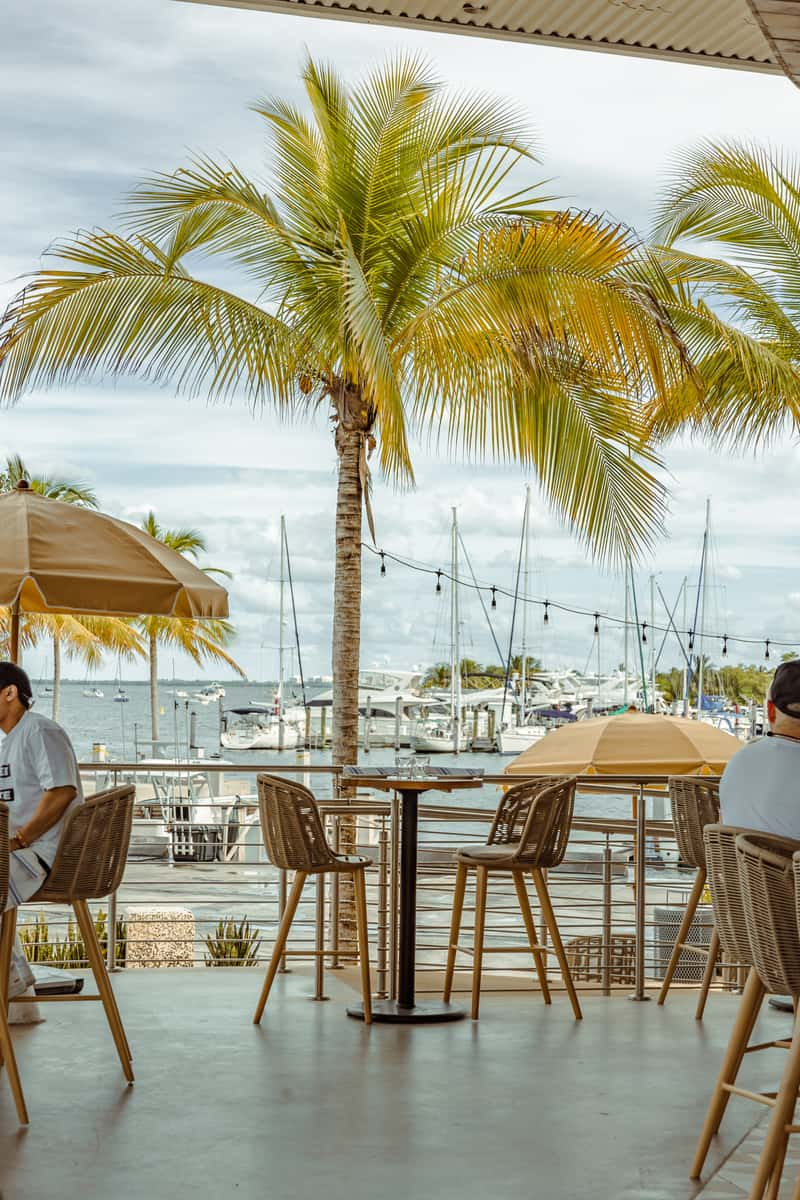
Waterfront or historic location impacts the experience by adding visual drama and emotional resonance that generic ballrooms cannot replicate. Ceremonies framed by Biscayne Bay or set against Art Deco architecture create a sense of place unique to Miami. According to the University of Florida IFAS Extension's research on Florida water resources, waterfront amenity added 46.2 percent to sale prices at riverfront locations and 45.3 percent at tributary-front sites, underscoring how significantly proximity to water elevates perceived value. Historic settings carry a similar weight; venues built on sites with cultural significance give couples a narrative that photographs and memories preserve long after the reception ends. For couples drawn to both elements, Coconut Grove's Dinner Key waterfront combines bay views with golden-age aviation heritage.
With location priorities clear, the next step is evaluating budget, vendor flexibility, and catering options.
What Factors Should Couples Consider When Deciding Between a Hotel and a Banquet Hall Wedding Venue in Miami?
Couples should consider budget structure, vendor flexibility, and food and beverage options when deciding between a hotel and a banquet hall wedding venue in Miami. The sections below break down how each factor differs across venue types.
How Do Budget and Cost Structures Differ Between the Two Types?
Budget and cost structures differ between the two types primarily in how pricing is packaged. Hotels typically bundle catering, service fees, room blocks, and event coordination into a single per-person rate, which simplifies budgeting but limits line-item negotiation. Banquet halls often charge a flat rental fee with separate vendor contracts, giving couples more control over individual spending categories.
According to a study by Cheng et al. published in the International Journal of Hospitality Management, banquet halls that invest in venue styles, layouts, and dining delivery gain competitive advantages with lower risk of service failure. This suggests that standalone banquet halls competing on these attributes can deliver strong value relative to bundled hotel packages. For couples watching their bottom line, comparing the total cost of a hotel's all-inclusive quote against a banquet hall's rental fee plus independently sourced vendors reveals which model stretches the budget further.
What Should Couples Know About Flexibility in Decor and Vendors?
Couples should know that flexibility in decor and vendors varies significantly between venue types. Hotels frequently maintain preferred or exclusive vendor lists for catering, florals, lighting, and entertainment. While this streamlines coordination, it can restrict creative choices and lock couples into higher markups.
Banquet halls, by contrast, more commonly permit outside vendors across all categories. This open-vendor policy allows couples to hire specialists who match their cultural traditions, dietary needs, or aesthetic vision. The trade-off is that couples assume more responsibility for coordinating timelines, deliveries, and insurance requirements among multiple independent providers. When decor flexibility is a priority, asking each venue for its full vendor policy before signing a contract prevents costly surprises later.
How Do Food and Beverage Options Compare?
Food and beverage options compare differently based on each venue's operational model. Hotels employ in-house culinary teams that manage everything from cocktail hour to late-night bites under one kitchen, ensuring consistent quality and simplified logistics. Menu customization, however, may be limited to preset tiers.
Banquet halls that allow outside catering give couples access to Miami's diverse culinary landscape, from Latin fusion to Caribbean seafood. In 2024, Miami-Dade County ranked fourth nationally in hotel occupancy and third in average daily room rate, according to the Greater Miami Convention & Visitors Bureau. That strong tourism demand means hotel food and beverage minimums often reflect premium pricing. Couples who prioritize culinary personalization over convenience will typically find more freedom at a banquet hall, though they should confirm the venue holds proper licensing for alcohol service.
Understanding these food, vendor, and budget dynamics helps couples match their priorities to the right venue format.
How Do Guest Experience and Atmosphere Differ at Hotels Versus Banquet Halls in Miami?
Guest experience and atmosphere differ at hotels versus banquet halls in Miami based on venue design, on-site accommodations, and the range of amenities available to wedding guests. The sections below cover which venue type creates a more memorable atmosphere and how accommodations shape the overall event.

Which Venues Provide a More Memorable Atmosphere?
The venues that provide a more memorable atmosphere depend on the couple's vision and the setting each space offers. Hotels deliver polished ballrooms with consistent decor, integrated lighting systems, and coordinated service teams that maintain a uniform ambiance throughout the evening. Banquet halls, by contrast, often function as blank-canvas spaces where couples control every design element, from ceiling treatments to table arrangements.
Miami's wedding market recorded 24,493 marriage licenses across Miami-Dade County over recent reporting periods, according to the Florida Department of Health's FLHealthCHARTS Marriage Count Query System. That volume means couples compete for the most distinctive spaces. For most couples prioritizing creative freedom, a banquet hall's flexible layout produces a more personalized result than a hotel ballroom's fixed aesthetic.
How Do Accommodations and Amenities Affect the Overall Event?
Accommodations and amenities affect the overall event by determining how conveniently guests transition between the ceremony, reception, and overnight stay. Hotels bundle room blocks, concierge services, valet parking, and on-site restaurants into one property. Guests walk from ballroom to elevator without arranging separate transportation.
Banquet halls typically lack overnight rooms, requiring couples to coordinate nearby hotel blocks and shuttle logistics. However, standalone halls often compensate with larger reception footprints, dedicated parking lots, and fewer noise restrictions.
Key amenities that shape guest satisfaction include:
- On-site lodging that eliminates late-night driving for out-of-town attendees.
- Dedicated event coordinators who manage vendor arrivals and timeline execution.
- Climate-controlled indoor spaces critical during Miami's wet season, when 69% of annual rainfall concentrates in roughly five summer months.
- Flexible outdoor areas for cocktail hours or ceremonies, common at waterfront venues.
Couples who prioritize guest convenience often lean toward hotels, while those seeking full creative control tend to favor banquet halls. Understanding how each venue type handles amenities helps couples align their choice with what matters most to their guests.
How Does Bayshore Club Offer a Unique Alternative to Traditional Hotel and Banquet Hall Wedding Venues in Miami?
Bayshore Club offers a unique alternative by combining waterfront dining, aviation heritage, and Coconut Grove's historic Dinner Key setting into a venue that fits neither the hotel nor banquet hall mold. The sections below cover how this ambiance enhances a wedding and what couples should remember when comparing venue types.
Can Bayshore Club's Waterfront Dining and Aviation-Themed Ambiance Enhance a Miami Wedding Event?
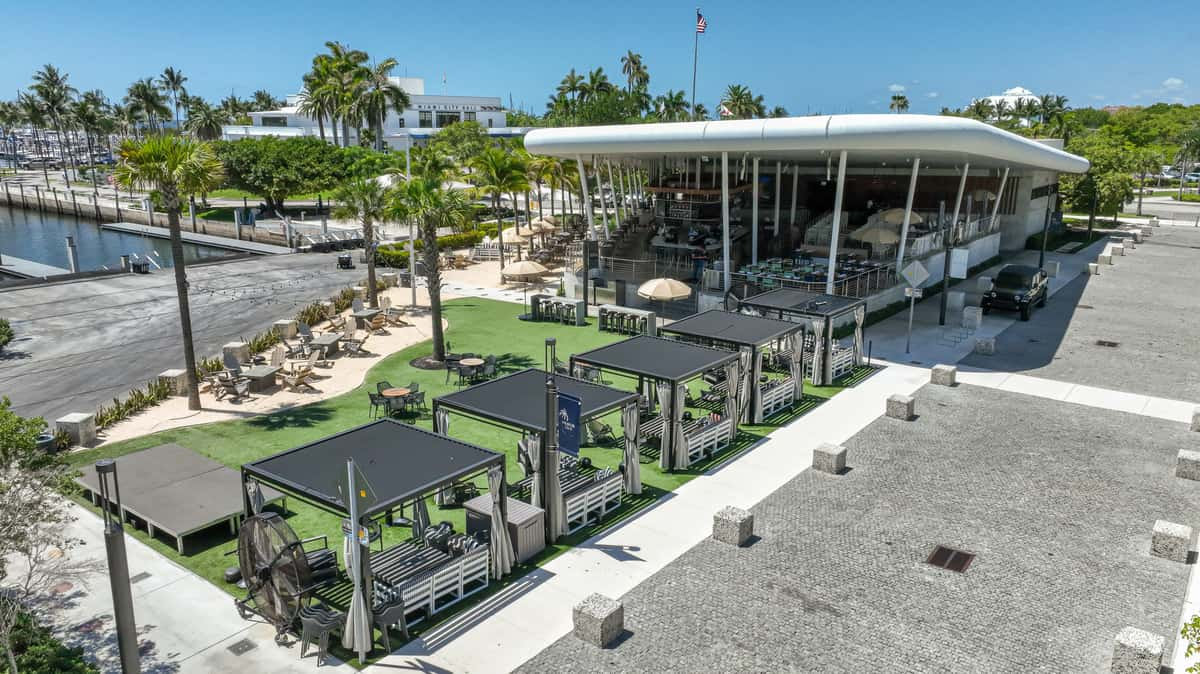
Yes, Bayshore Club's waterfront dining and aviation-themed ambiance can enhance a Miami wedding event by providing a setting that blends scenic Biscayne Bay views with the golden age of flight. Built on the historic Dinner Key site, once the departure point for Pan American World Airways' Clipper seaplanes, the venue draws on an era of adventure that most hotel ballrooms and standard banquet halls cannot replicate.
This kind of hybrid, character-driven space reflects a growing interest among Miami couples in venues beyond conventional options. Aviation museums, yacht clubs, and botanical gardens now host weddings alongside traditional properties. According to Wings Over Miami Air Museum, its 18,000-square-foot flexible hangar space accommodates up to 300 guests for social functions, with tenting available for additional coverage.
Bayshore Club's Coconut Grove location adds a neighborhood warmth that large-scale hotel venues often lack, while the waterfront orientation gives ceremony and reception backdrops a natural, open quality. For couples who want a memorable atmosphere without sacrificing dining quality, a restaurant venue with character-specific design is often the strongest middle ground between a hotel's full-service infrastructure and a banquet hall's blank-canvas flexibility.
What Are the Main Points Brides and Grooms Should Remember About Hotel vs Banquet Hall Wedding Venues in Miami?
The main points brides and grooms should remember are that no single venue type wins on every factor; the right choice depends on guest logistics, budget structure, vendor flexibility, and atmosphere priorities.
Key takeaways include:
- Hotels bundle lodging, catering, and event coordination into one contract, which simplifies planning for out-of-town guests.
- Banquet halls typically offer more freedom with outside caterers, decorators, and entertainment vendors.
- Hybrid venues, such as waterfront restaurants and aviation-themed spaces, can deliver distinctive atmosphere while still providing professional food and beverage service.
- Miami's high hotel demand means room blocks require early negotiation; according to the Greater Miami Convention & Visitors Bureau, Miami-Dade County ranked fourth nationally in hotel occupancy among the top 25 U.S. markets in 2024.
- Weather contingency plans, deposit terms, and cancellation policies vary widely by venue and should be reviewed line by line before signing.
The strongest decision starts with identifying which two or three factors matter most to the couple, then matching those priorities to the venue type that delivers them most reliably. Bayshore Club can help couples explore how a waterfront, aviation-inspired setting in Coconut Grove fits into that equation.