
How Breeze, Light, and Open Space Shape Waterfront Dining
How Breeze, Light, and Open Space Shape Waterfront Dining
Waterfront dining is a multisensory experience shaped by the natural environment surrounding the table. Fresh air, sunlight, and expansive sightlines work together to influence how guests feel, eat, and connect with one another along the water's edge.
This guide covers the role of coastal breezes in outdoor comfort, the effects of natural light on mood and atmosphere, the principles of open-space layout design, the synergy between these elements, and how Bayshore Club in Coconut Grove brings them all together.
Gentle wind off the water regulates temperature, carries salt air that heightens sensory engagement, and supports natural ventilation that keeps outdoor seating fresh. Breeze strength and consistency directly affect how long guests choose to linger at a waterfront table.
Sunlight transforms a dining space throughout the day, from bright, energizing lunches to warm golden-hour dinners. Natural light supports well-being and appetite, though smart design solutions like canopies and shade structures are essential for managing glare and heat during peak hours.
Open layouts give guests room to breathe, encourage relaxed social gathering, and preserve unobstructed views of the water. Thoughtful space planning also improves accessibility and circulation, making the experience welcoming for every visitor.
When breeze, light, and open space align intentionally, they create what environmental psychology calls a restorative setting; a place that lowers stress and produces a lasting sense of escape. Bayshore Club's 300-seat waterfront layout on Biscayne Bay demonstrates how these elements combine in a single Coconut Grove destination built around the natural advantages of its shoreline location.
Why Does Fresh Breeze Matter for Waterfront Dining Settings?
Fresh breeze matters for waterfront dining settings because it directly shapes guest comfort, air quality, and the overall sensory experience. The sections below explore how gentle winds enhance outdoor enjoyment, support natural ventilation, and influence food and social interactions.
How Does a Gentle Breeze Enhance Comfort and Enjoyment Outdoors?
A gentle breeze enhances comfort and enjoyment outdoors by regulating perceived temperature, reducing stuffiness, and creating a multisensory connection to the surrounding environment. According to a 2022 study published in MDPI's Buildings journal, the acceptable wind range for over 90% of participants in lakeside settings fell between 0.01 m/s and 2.86 m/s, confirming that light, steady airflow is what most people find pleasant.
Beyond thermal relief, that soft movement of air carries subtle cues of the waterfront: the scent of salt, the sound of rippling water amplified across open space. These sensory layers are difficult to replicate indoors. For coastal venues, maintaining airflow within that comfortable range transforms a meal into something guests remember long after leaving.
What Role Does Natural Ventilation Play in Coastal Restaurant Ambiance?
Natural ventilation plays a central role in coastal restaurant ambiance by circulating fresh air continuously, reducing reliance on mechanical systems, and reinforcing the open, breezy character guests associate with waterfront dining. When dining moves outdoors with no enclosure, the constant supply of fresh air effectively nullifies the risk of short-range aerosol transmission between parties, according to findings from the National Collaborating Centre for Environmental Health.
This quality of air contributes to something less measurable but equally important: a feeling of openness. Guests sense the difference between recirculated indoor air and the living, salt-tinged atmosphere that moves across a bay. That distinction is what separates a restaurant that happens to be near water from one that truly feels coastal.
How Do Waterfront Breezes Impact Food, Drinks, and Social Interactions?
Waterfront breezes impact food, drinks, and social interactions by heightening sensory awareness and encouraging longer, more relaxed dining occasions. A 2024 study published in Nature found that individuals exposed to natural environments choose healthier foods compared to those in urban or controlled settings, suggesting that open-air, breeze-swept dining subtly shifts guest preferences toward fresher options.
Gentle airflow also keeps cocktails cooler and carries aromatic cues from dishes across the table, intensifying the experience of both flavor and presentation. Socially, the ambient sound of wind and water creates a natural acoustic buffer, giving conversations a sense of privacy without the need for physical barriers. This combination of sensory and social benefits is precisely why waterfront settings tend to foster the kind of unhurried gatherings that guests value most.
With airflow shaping the physical experience, natural light adds the next essential layer to waterfront ambiance.
In What Ways Does Natural Light Shape the Atmosphere of Waterfront Restaurants?
Natural light shapes the atmosphere of waterfront restaurants by enhancing mood, connecting diners to the surrounding environment, and creating a sensory experience that artificial lighting cannot replicate. The following sections explore the benefits, psychological effects, and practical considerations of sunlit waterfront dining.
What Benefits Come from Dining in Sunlit Waterfront Spaces?
The benefits that come from dining in sunlit waterfront spaces include reduced stress, heightened sensory engagement, and a deeper connection between guests and their surroundings. Sunlight reflecting off the water creates a dynamic visual environment that shifts throughout the day, making each visit feel distinct.
Biophilic design principles explain why these benefits are so pronounced. According to biophilic designer Oliver Heath, this design approach focuses intrinsically on how spaces make people feel, using connection to nature to reduce stress, aid recuperation, and connect people with spaces and each other. When a waterfront restaurant allows unobstructed daylight to fill the dining area, it activates these biophilic responses naturally.
Beyond psychology, sunlit spaces reduce dependence on artificial lighting during daytime service, which preserves the organic character of the environment. For guests seeking an escape from enclosed, fluorescent-lit spaces, few settings rival an open waterfront bathed in natural light.
How Can Daylight Influence Mood and Appetite by the Water?
Daylight influences mood and appetite by the water through its effect on circadian rhythms, color perception, and the body's hormonal responses. Warm, natural sunlight stimulates serotonin production, which elevates mood and creates a relaxed, receptive state for dining.
Color plays a subtle but significant role in this process. Under natural light, food appears more vibrant and true to its actual color. Seafood platters, fresh garnishes, and colorful cocktails all look more appetizing when illuminated by daylight rather than artificial bulbs, which can distort hues and flatten visual depth.
The waterfront setting amplifies these effects. Light bouncing off the bay creates soft, shifting reflections that keep the environment visually stimulating without being overwhelming. This combination of elevated mood and enhanced food presentation encourages guests to linger, savor courses, and engage more fully with the dining experience.
What Are the Challenges and Solutions for Managing Sunlight in Outdoor Dining?
The challenges for managing sunlight in outdoor dining include glare, heat buildup, UV exposure, and inconsistent light conditions across different times of day. Without thoughtful design, direct sun can make outdoor seats uncomfortable during peak hours.
Effective solutions typically include:
- Retractable shade structures, such as canopies and pergolas, that adjust to sun angle throughout the day.
- Strategic landscaping with mature trees to provide dappled, filtered light.
- Positioning seating to take advantage of morning or late-afternoon sun while avoiding harsh midday exposure.
- Using light-colored materials for surfaces and furnishings to reduce heat absorption.
Open-air configurations also address air quality concerns. According to the National Collaborating Centre for Environmental Health, when dining is moved outdoors with no enclosure, the risk of short-range aerosol transmission between parties is effectively nullified by the constant supply of fresh air. This makes well-designed outdoor waterfront spaces both comfortable and health-conscious.
Balancing sun exposure with shade requires intentional planning, but the result is a dining environment that feels effortless to guests. With open space design principles in place, the next consideration is how layout and spatial flow complete the waterfront experience.
How Does Open Space Design Affect the Waterfront Dining Experience?
Open space design affects the waterfront dining experience by creating unobstructed sightlines, encouraging relaxed movement, and making venues welcoming to every guest. The subsections below explore visual appeal, social comfort, and accessibility.
What Makes Open Layouts Appealing for Guests at Waterfront Venues?
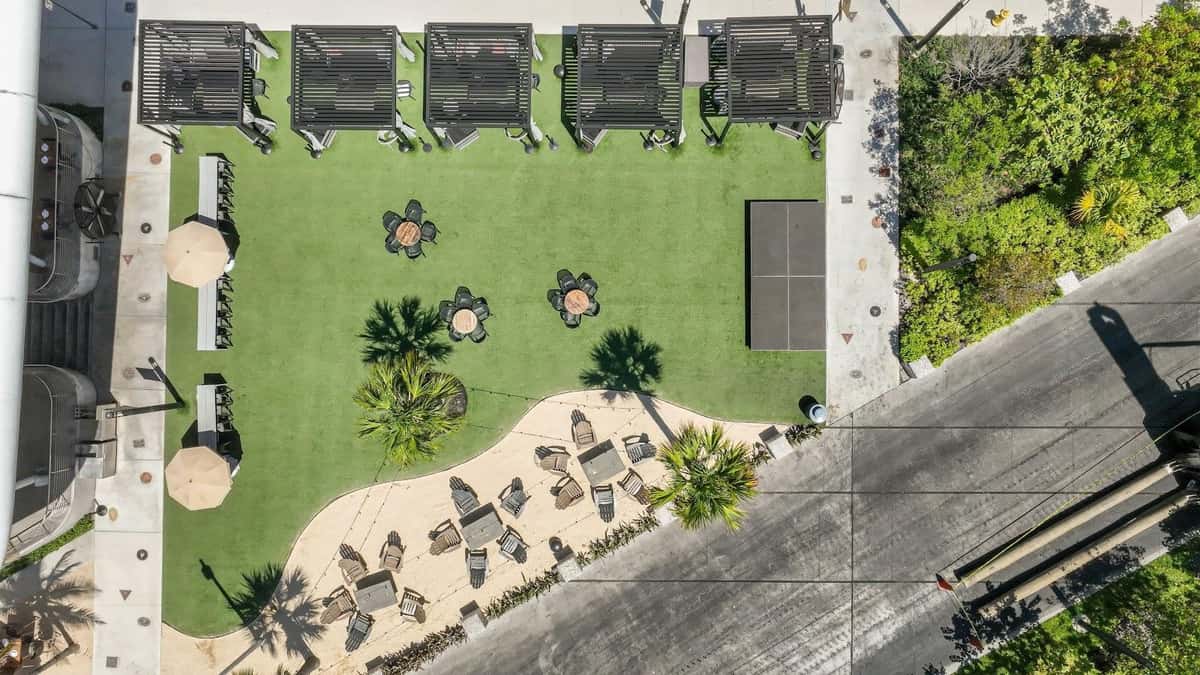
Open layouts are appealing for guests at waterfront venues because they remove visual barriers between diners and the surrounding environment. Panoramic water views, uninterrupted sky, and natural greenery become part of the meal itself when walls and partitions are minimized.
According to Egan Visual, biophilic design in hospitality goes beyond aesthetics, using natural light, greenery, organic shapes, and materials to transform spaces into refreshing environments that enhance the guest experience. When a layout lets these elements flow freely into the dining area, guests perceive a stronger connection to place. That sense of immersion is difficult to replicate in enclosed rooms, which is why the most memorable waterfront restaurants prioritize openness as a core design choice.
How Does Space Planning Foster Relaxation and Social Gathering?
Space planning fosters relaxation and social gathering by giving guests room to breathe, both physically and psychologically. Generous spacing between tables reduces noise overlap, while varied seating zones (bar tops, lounge areas, communal tables) let groups choose the setting that fits their mood.
Well-planned open layouts also encourage natural circulation. Guests move between areas without feeling funneled or crowded, which lowers stress and extends the time they want to stay. For waterfront venues, this effect is amplified: sight of water and sky at every turn reinforces a calm, unhurried atmosphere. Thoughtful space planning turns a single visit into a layered experience where dining, socializing, and simply unwinding coexist without competing for attention.
Can Open Space Increase Safety and Accessibility for All Diners?
Yes, open space can increase safety and accessibility for all diners. Wider pathways, fewer obstructions, and clear sightlines help guests with mobility aids navigate comfortably. According to EZ-Dock, accessible routes must be at least 36 inches wide, wheelchair locations at fixed tables require clear floor space of at least 30 by 48 inches, and table surfaces should sit between 28 and 34 inches above the ground.
Open layouts also improve emergency egress and allow staff to monitor the dining floor more effectively. For waterfront venues where terrain can shift between dock, patio, and interior, maintaining generous clearances protects every guest. Prioritizing accessibility in open space design is not just a compliance measure; it signals that a restaurant values every person who walks through its doors.
With open layouts shaping comfort and access, the next step is understanding how breeze, light, and space converge into one cohesive waterfront atmosphere.
How Do Breeze, Light, and Open Space Work Together to Create a Distinctive Waterfront Ambience?
Breeze, light, and open space work together by creating a layered sensory environment where each element reinforces the others. The following subsections explore the synergy between these natural factors and restaurant design, and how their combination fosters a lasting "vacation state-of-mind."
What Is the Synergy Between Environmental Elements and Restaurant Design?
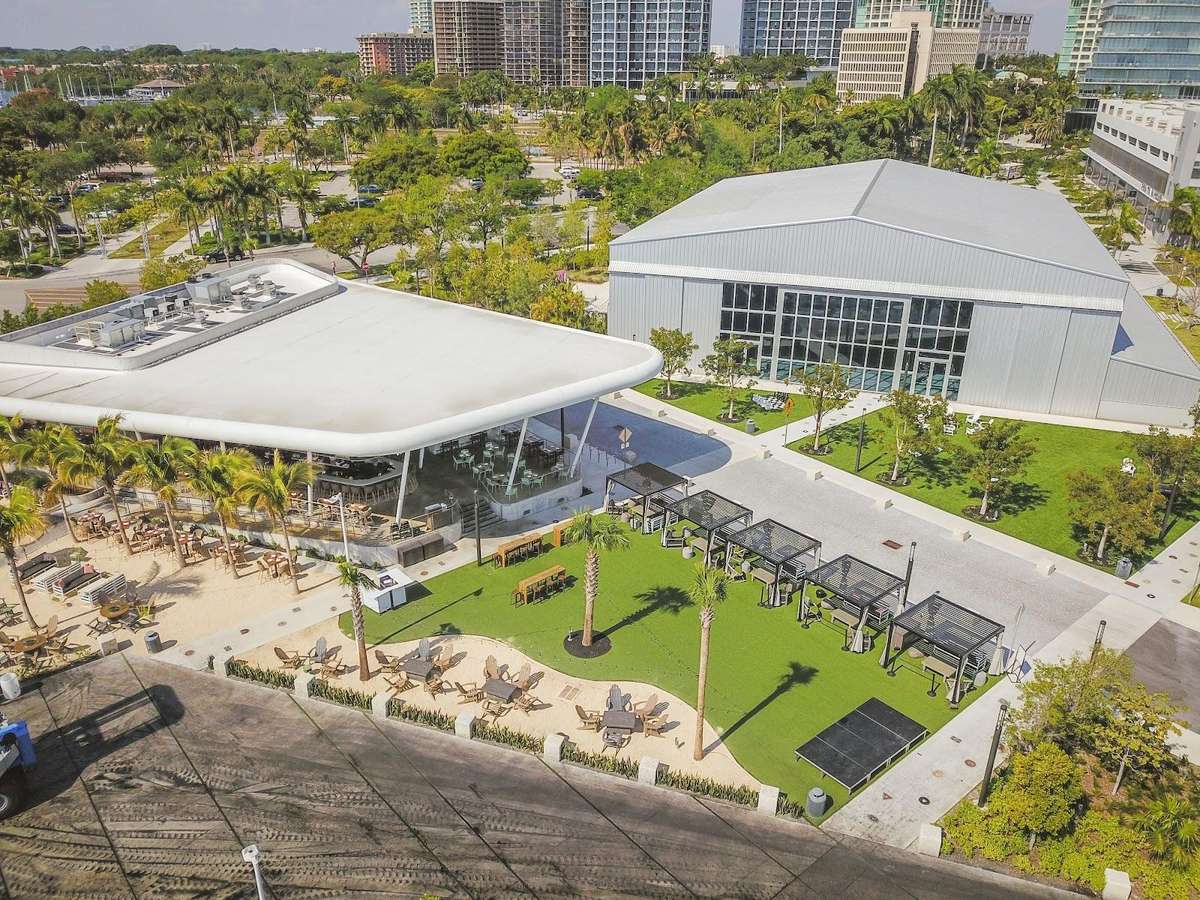
The synergy between environmental elements and restaurant design lies in how natural forces and intentional spatial planning amplify each other to shape guest satisfaction. When fresh coastal breeze, unfiltered sunlight, and expansive sightlines converge within a thoughtfully designed layout, the result is an atmosphere that feels both effortless and immersive.
Research published in MDPI identified three outdoor dining environment dimensions that affect customer satisfaction: quality and facilities, image and atmosphere, and landscape elements. Each dimension corresponds directly to how a waterfront venue harnesses its natural surroundings. Breeze influences perceived air quality, light defines the visual atmosphere, and open space frames the landscape. Restaurants that align their structural design with these environmental inputs, rather than fighting them, create spaces where comfort feels inherent rather than manufactured.
How Do These Natural Factors Help Establish a "Vacation State-of-Mind"?
These natural factors help establish a "vacation state-of-mind" by triggering the same sensory cues people associate with leisure travel: warm light on skin, salt air moving freely, and unobstructed views stretching to the horizon. Together, they signal to the brain that the everyday routine has paused.
This response is more than perception. According to a study reported by Harvard Medical School, spending at least 20 to 30 minutes immersed in a nature setting was associated with the biggest drop in cortisol levels. A waterfront restaurant that keeps guests surrounded by breeze, natural light, and open space effectively replicates that nature immersion within a dining context. The combination shifts the experience from a simple meal to a genuine mental reset, which is precisely why venues built around these elements feel less like restaurants and more like destinations.
How Does Bayshore Club Miami Integrate Breeze, Light, and Open Space into Its Waterfront Dining Offerings?
Bayshore Club Miami integrates breeze, light, and open space by positioning its 300-seat waterfront restaurant directly on Biscayne Bay in Coconut Grove, where natural airflow, sunlight, and panoramic sightlines converge. The following sections explore specific dining experiences and key takeaways.
What Dining Experiences Does Bayshore Club Provide to Enhance the Waterfront Ambience?
Bayshore Club provides dining experiences designed around direct exposure to Biscayne Bay's natural elements. Located at 3391 Pan American Drive on the historic Dinner Key site, the restaurant uses its waterfront position to channel coastal breezes, unfiltered daylight, and unobstructed bay views into every seat across its 300-seat layout.
Architectural openings allow natural lighting and ventilation into the space, reducing reliance on artificial energy while keeping guests connected to the outdoor environment. This design aligns with biophilic principles, which integrate natural elements such as greenery, natural lighting, and water features into built environments to enhance human well-being, according to a review published by MDPI.
The result is a setting where fresh air, shifting sunlight, and open sightlines work together to evoke what Bayshore Club calls a "vacation state-of-mind." Rather than merely decorating around nature, the restaurant treats breeze, light, and space as core ingredients of the experience itself.
What Are the Key Takeaways About How Breeze, Light, and Open Space Shape Waterfront Dining We Covered?
The key takeaways about how breeze, light, and open space shape waterfront dining are rooted in three principles:
- Fresh breezes improve thermal comfort, air quality, and the sensory enjoyment of food and drinks in outdoor settings.
- Natural light elevates mood, influences appetite, and creates atmosphere that artificial lighting cannot replicate.
- Open space layouts foster relaxation, encourage social gathering, and provide unobstructed views that define the waterfront experience.
As biophilic designer Oliver Heath notes, the future of hospitality is about "designing spaces that subtly support guest well-being and create meaningful connections to the natural environment." Bayshore Club Miami exemplifies this philosophy, using its Coconut Grove waterfront location to let nature do what no interior design alone can achieve. For guests seeking a dining experience shaped by the elements rather than shielded from them, Bayshore Club offers exactly that connection.