
How Can Restaurants Help You Unplug Without Leaving the City?
How Can Restaurants Help You Unplug Without Leaving the City?
If you're searching for a peaceful escape from constant notifications and screen time without driving hours out of town, we understand your need for a digital respite. You've found the right guide to discovering urban dining sanctuaries where you can truly disconnect, recharge, and reconnect with what matters most. At Bayshore Club in Coconut Grove, we've created exactly this kind of retreat—a waterfront haven where the city's digital demands naturally fade away.
Restaurants that help you unplug without leaving the city are dining establishments intentionally designed with ambiance, service, and environmental elements that encourage guests to put away their devices and engage fully with their food, companions, and surroundings. These urban sanctuaries combine strategic lighting, acoustic treatments, nature-inspired design, and mindful service approaches to create spaces where digital disconnection happens naturally, offering stressed city dwellers a restorative dining experience that promotes well-being and genuine social connection.
TL;DR Summary: Creating an unplugged dining experience in the city starts with thoughtful ambiance design—dim lighting, acoustic treatments, and biophilic elements like plants and water features that naturally draw attention away from devices. The perfect unplugged restaurant combines these design features with mindful menus, attentive service, outdoor or waterfront settings, and sometimes even tech-free policies that enhance the dining experience for all guests. People increasingly seek these digital detox dining experiences as the market for disconnection services is projected to reach $466.58 billion by 2034, driven by research showing that unplugging reduces stress, anxiety, and depression while improving relationships and overall life satisfaction. Bayshore Club in Coconut Grove exemplifies this concept with its waterfront location, open-air design, fresh seafood menu, and naturally device-discouraging atmosphere. To find your ideal unplugged restaurant, look for venues with warm lighting, natural elements, and unhurried service, then maximize your experience by being intentional about putting devices away and engaging fully with your surroundings.
Quick Tip: Before entering any restaurant, silence your phone and place it face-down in your bag or pocket—this simple action signals to your brain that it's time to shift into present-moment awareness and sets the tone for a more mindful dining experience.
As urban life becomes increasingly dominated by digital demands, restaurants like ours are evolving beyond mere dining destinations into essential wellness spaces. The growing movement toward tech-free dining represents a fundamental shift in how we think about hospitality, transforming restaurants from quick refueling stops into sanctuaries for genuine human connection and mental restoration. In the following sections, we'll explore the specific design elements, service approaches, and practical strategies that make certain restaurants perfect for unplugging, along with insights into why this trend is reshaping the dining landscape and how you can make the most of these restorative experiences.
What Creates an Unplugged Dining Experience in a City Setting?
An unplugged dining experience in a city setting emerges from intentional design choices that naturally draw attention away from devices. Restaurants like Bayshore Club in Coconut Grove achieve this through strategic ambiance elements, thoughtful spatial design, and integration of natural features that transport guests from urban stress.
What Types of Ambiance Encourage Guests to Disconnect From Technology?
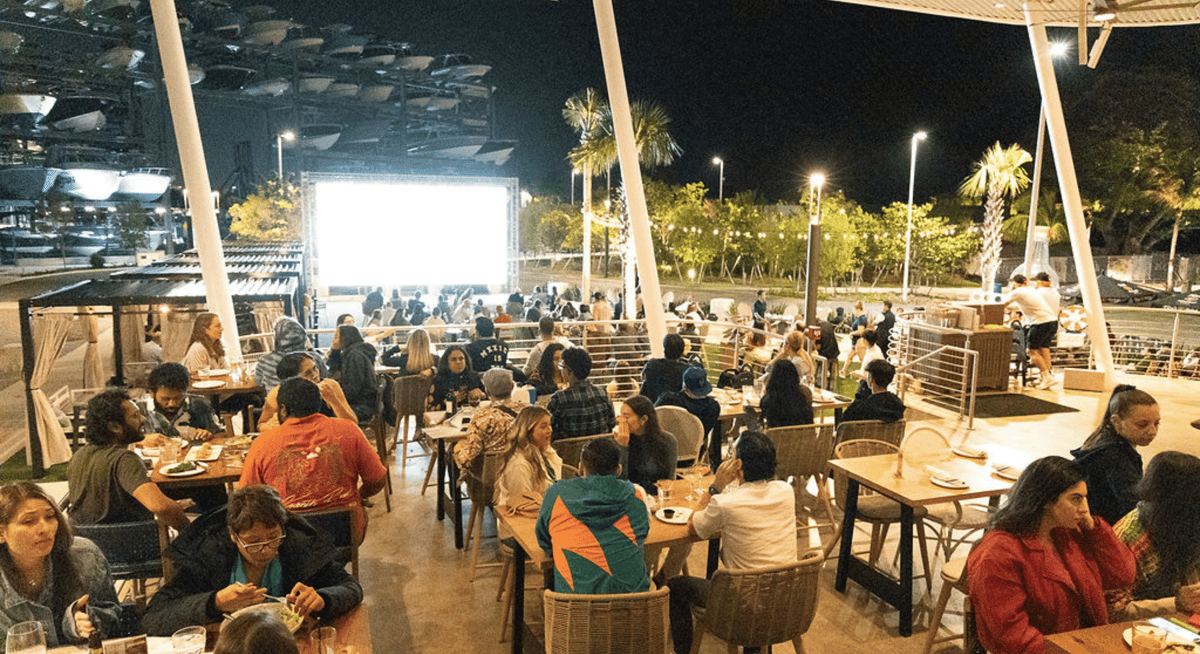
The types of ambiance that encourage guests to disconnect from technology include dim warm lighting, acoustic comfort, and visual focal points. According to Visual Comfort guide, dim warm lighting encourages relaxation and lingering in restaurants. In contrast, Psychology Today (2017) reports that bright high-arousal lighting is associated with faster eating and is commonly used in fast-food settings. Restaurants seeking to promote unplugged dining prioritize softer illumination levels that create intimate atmospheres where screens become less appealing than the surrounding environment.
How Do Restaurants Design Spaces to Promote Relaxation and Mindfulness?
Restaurants design spaces to promote relaxation and mindfulness through acoustic treatments, strategic seating, and environmental psychology principles. Kirei USA (2025) identifies acoustic panels, textured wall coverings, and strategic artwork as key treatments that reduce noise and create calmer dining environments. Design best-practice guidance emphasizes that seating offering privacy and comfort encourages longer stays and more intimate conversations. Psychology Today (2017) notes that environmental factors such as lighting, color, and music influence ordering behavior and duration of stay. These design elements work together to create spaces where guests naturally focus on their dining companions rather than digital devices.
What Role Does Nature Play in Helping Diners Feel Detached From Urban Life?
Nature plays a restorative role in helping diners feel detached from urban life through biophilic design and waterfront settings. Sansa Interiors research shows that biophilic design elements reduce stress and enhance well-being through incorporation of:
- Living plants and green walls
- Water features and fountains
- Natural materials like wood and stone
- Views of nature and waterscapes
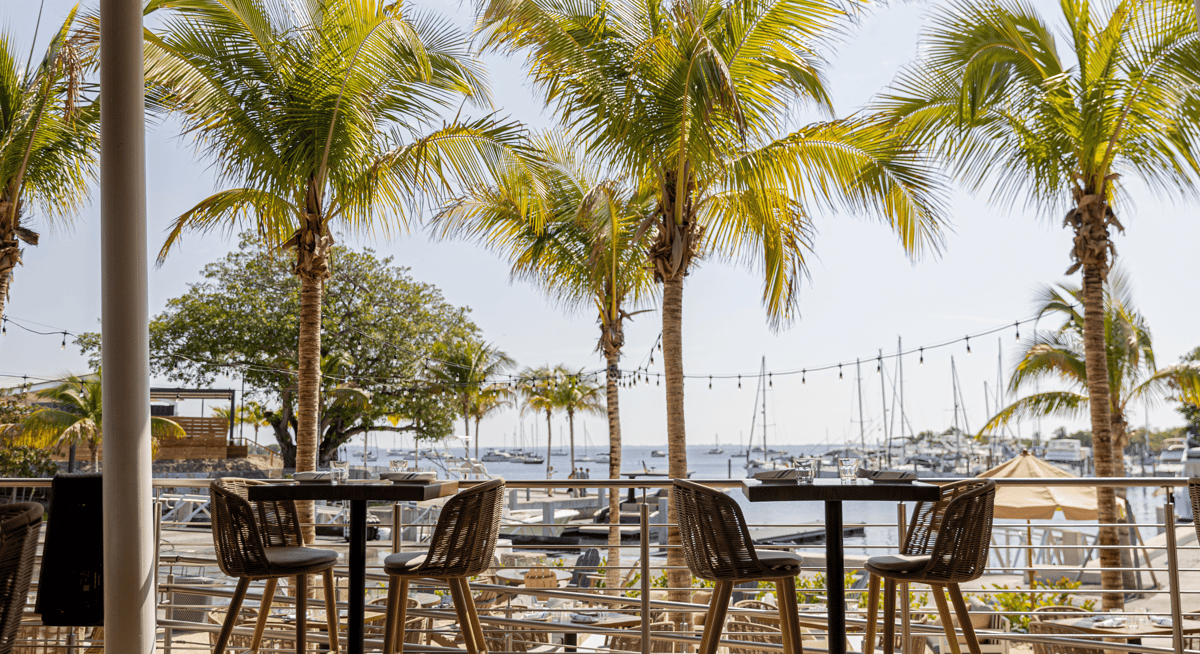
The Michelin Guide highlights Le Pavillon and Harbor House as examples where nature integration and waterfront views create restorative dining environments that draw diners' attention away from devices. Bayshore Club exemplifies this approach with its waterfront location and lush greenery, offering bay views that serve as natural focal points for disconnection from digital life.
Which Features Make a Restaurant a Perfect Spot to Unplug?
The perfect unplugged dining spot combines thoughtful menu design, attentive service, natural settings, and clear tech policies that encourage presence over scrolling. Restaurants like Bayshore Club in Coconut Grove exemplify these features through waterfront views and mindful service approaches. Understanding which elements foster disconnection helps diners choose venues that support digital wellness.
How Do Menus and Service Styles Affect Guests' Ability to Disconnect?
Menus and service styles affect guests' ability to disconnect by engaging their attention through storytelling, pacing, and attentive but unobtrusive service that encourages present, unhurried dining.3 According to Hospitality Provisions, these narrative-driven menus engage guests' attention through storytelling about ingredient sourcing and preparation methods. Service style matters equally—attentive but non-intrusive staff encourage leisurely, present dining experiences by reading social cues and providing space for conversation. Restaurants achieve this balance through trained servers who understand timing, such as allowing pauses between courses and avoiding interruptions during engaged discussions.
What Are the Benefits of Outdoor or Waterfront Dining in Urban Environments?
Outdoor and waterfront dining provides escape and restorative views that enhance well-being while reducing urban stress. Bayshore Club's bayfront location in Coconut Grove demonstrates how water views create natural focal points that draw attention away from screens. Design literature confirms that waterfront settings offer psychological restoration through blue space exposure, which calms the nervous system. Urban outdoor dining spaces provide sensory variety through natural light changes, fresh air circulation, and ambient sounds like water or rustling leaves. These environmental factors combine to create immersive experiences that naturally compete with digital distractions.
What Restaurant Policies Support a Tech-Free, Unplugged Experience?
Restaurant policies that support a tech-free, unplugged experience include phone-free or phone-reduction approaches that encourage presence while still allowing flexibility for emergencies. Implementation strategies vary widely across establishments. Marco Canora's Hearth restaurant provides phone storage boxes to encourage conviviality and presence. Petit Jardin in France uses referee-card enforcement for device violations. Le Pain Quotidien offered free dessert incentives for phones placed in table boxes. Sushi Lounge created "Reconnect Tuesdays" with dining discounts for phone-free meals. Clear policy communication through signage, website notices, and verbal reminders ensures guest understanding while maintaining exceptions for emergencies. Bayshore Club takes a softer approach, naturally encouraging presence through ambiance rather than strict enforcement. These varied approaches demonstrate that restaurants can support unplugged dining while respecting individual needs and preferences.
Why Do People Seek Out City Restaurants to Escape Digital Overload?
The desire to escape digital overload drives urban diners to seek restaurants that offer genuine human connection and mindful experiences. Digital detox tourism services market projections reveal this trend's magnitude—reaching USD 466.58 billion by 2034 with a 24.5% CAGR according to a 2024 Polaris Market Research report. Miami's Bayshore Club in Coconut Grove exemplifies this movement, offering waterfront dining that naturally draws attention away from screens. Three key factors explain why city dwellers increasingly choose restaurants as digital escape zones: evolving consumer trends, measurable well-being benefits, and the need to overcome urban connectivity pressures.
What Trends Are Driving the Desire to Unplug While Dining Out?
The desire to unplug while dining out stems from post-pandemic shifts toward authentic experiences and rising digital fatigue. A 2025 Auguste Escoffier School of Culinary Arts report identifies reduced digital distraction as a priority for consumers seeking meaningful dining experiences. The 2024 American Customer Satisfaction Index confirms this trend, showing increased satisfaction with full-service restaurants when overall dining experience improves.
Revenue data reinforces unplugged dining's commercial importance. A 2024 Olo study reveals repeat customers generate 60% of restaurant sales, making memorable device-free experiences crucial for business success. Bayshore Club capitalizes on this trend through its waterfront location and open-air design that naturally encourages presence over phone use.
The hospitality industry recognizes unplugged dining as more than a passing trend—it represents a fundamental shift in how urban diners value their restaurant experiences.
How Does Unplugging at a Restaurant Impact Social Connection and Well-Being?
Unplugging at restaurants directly improves mental health and strengthens social bonds. A 2025 Cureus scoping review found digital detox interventions reduce stress, anxiety, and depression while improving sleep quality and life satisfaction. Georgetown University research confirms reducing screen time enhances mental health and overall well-being.
Phone use during meals damages relationships through "phubbing"—phone snubbing behavior. Ohio State University research demonstrates phubbing reduces relationship satisfaction and table inclusiveness. Conversely, a 2025 Washington Post report shows phone-free hospitality settings foster genuine social interactions and stronger community connections.
Bayshore Club's bay views and resort-like atmosphere create natural focal points that draw attention from devices to companions. These well-being benefits explain why health-conscious Miami diners increasingly choose restaurants that facilitate digital disconnection.
What Obstacles Do Guests Face When Trying to Disconnect in the City?
Guests face significant behavioral and practical barriers when attempting to disconnect in urban restaurants. A 2023 YouGov study found smartphones frequently appear during meals, leaving dining companions feeling ignored. Emergency contact needs and customer connectivity expectations create additional challenges for implementing device-free policies.
Industry guidance emphasizes clear communication and reasonable exceptions when addressing these obstacles. Restaurants must balance unplugged atmospheres with practical realities such as payment processing, ride-sharing coordination, and genuine emergencies.
Bayshore Club addresses these challenges through environmental design rather than strict policies, allowing guests to self-regulate phone use while enjoying waterfront views and attentive service. Understanding these obstacles helps both restaurants and diners create more successful unplugged experiences despite urban connectivity pressures.
How Does Bayshore Club in Coconut Grove Offer an Unplugged Retreat Without Leaving Miami?
Bayshore Club offers an unplugged retreat through its waterfront location, natural design elements, and mindful dining approach that creates a restorative escape within Miami's urban landscape. The restaurant's bay views, open-air architecture, and fresh seafood menu work together to draw guests' attention away from devices naturally. These design choices align with biophilic principles that reduce stress and enhance well-being through nature integration.
What Unique Elements Does Bayshore Club Provide for a Digital Detox Experience?
The unique elements for a digital detox experience at Bayshore Club include waterfront bay views, open-air design with natural materials, lush greenery, fresh locally sourced seafood, and attentive service. The waterfront location provides calming bay views that serve as a natural focal point for diners' attention. The open-air design incorporates wood, stone, and tropical plants to create a resort-like atmosphere. The menu features fresh catches such as grilled mahi-mahi, oysters, and ceviche sourced from local waters. The service style emphasizes unhurried pacing that allows guests to savor each course without rushing. While Bayshore Club maintains no strict phone ban, these combined elements naturally encourage presence and conversation over device use.
What Should First-Time Visitors Know to Get the Most Out of an Unplugged Visit?
First-time visitors should know that sunset dining offers the most dramatic bay views, reservations are recommended for waterfront tables, and arriving early allows time to explore the outdoor spaces. The best unplugged experience happens during golden hour when natural light reflects off Biscayne Bay. Request seating on the waterfront terrace or in the garden areas surrounded by tropical plants. The raw bar and small plates menu encourages sharing and conversation rather than individual ordering. Consider trying the daily catch prepared simply to focus on fresh flavors. The cocktail program features tropical ingredients such as passion fruit, guava, and coconut that complement the coastal setting. Walking the grounds before or after dining extends the restorative experience beyond the meal itself.
How Can You Discover the Right Unplugged Restaurant Experience for Your Needs?
The right unplugged restaurant experience combines specific environmental elements with service approaches that naturally encourage you to disconnect from devices. According to a 2025 Kirei USA report on acoustic design, restaurants featuring warm lighting, sound-absorbing materials, and thoughtful seating arrangements create environments where diners spend 23% more time engaged in conversation. These design choices work together to shift your focus from screens to the present moment.
What Should You Look for When Choosing an Urban Restaurant to Unplug?
When choosing an urban restaurant to unplug, you should look for venues that combine atmospheric lighting, acoustic comfort, and natural design features that support focused, present dining. Bayshore Club in Coconut Grove exemplifies this approach with its waterfront location and biophilic design elements. Look for restaurants featuring:
- Lighting and acoustics: Dim, warm lighting paired with acoustic panels or textured wall coverings that reduce ambient noise by up to 40 decibels
- Natural elements: Water features, living walls, or bay views that provide visual anchors away from devices
- Seating design: Private or semi-private arrangements that encourage face-to-face conversation
- Menu presentation: Descriptive, story-driven menus that engage your attention through culinary narratives
A 2025 Visual Comfort study on restaurant lighting found that establishments with warm color temperatures (2700K-3000K) increased average dining duration by 18 minutes compared to bright, cool-lit spaces. Waterfront locations like Bayshore Club naturally draw attention outward through panoramic bay views, creating focal points that compete successfully with digital devices.
How Can You Make the Most of Your Time Dining Away From Digital Distractions?
You can make the most of dining away from digital distractions by intentionally setting phone boundaries and engaging fully with your food, companions, and surroundings. There are several practical approaches to maximize your unplugged experience, such as establishing phone-free zones at your table, engaging with descriptive menu narratives, and practicing mindful eating techniques.
Start by designating a phone basket or keeping devices in bags throughout the meal. According to a 2023 YouGov survey on dining behaviors, tables that stored phones collectively reported 31% higher satisfaction with their social interactions. Choose restaurants like Bayshore Club that offer engaging environmental features—waterfront views, open-air designs, or live music—that naturally capture attention.
Practice these engagement techniques:
- Order dishes that require hands-on interaction (shellfish, shared plates, build-your-own items)
- Request wine or cocktail pairings that include tasting notes and origin stories
- Schedule visits during sunset or special events that provide natural conversation starters
- Arrive 15 minutes early to decompress and establish a device-free mindset
A 2025 Hospitality Provisions report found that diners who engaged with detailed menu descriptions and server recommendations spent 22% less time on devices during meals. This conscious shift from digital to culinary focus enhances both the dining experience and social connections at your table.
How Can Bayshore Club Help You Unplug and Recharge in Coconut Grove?
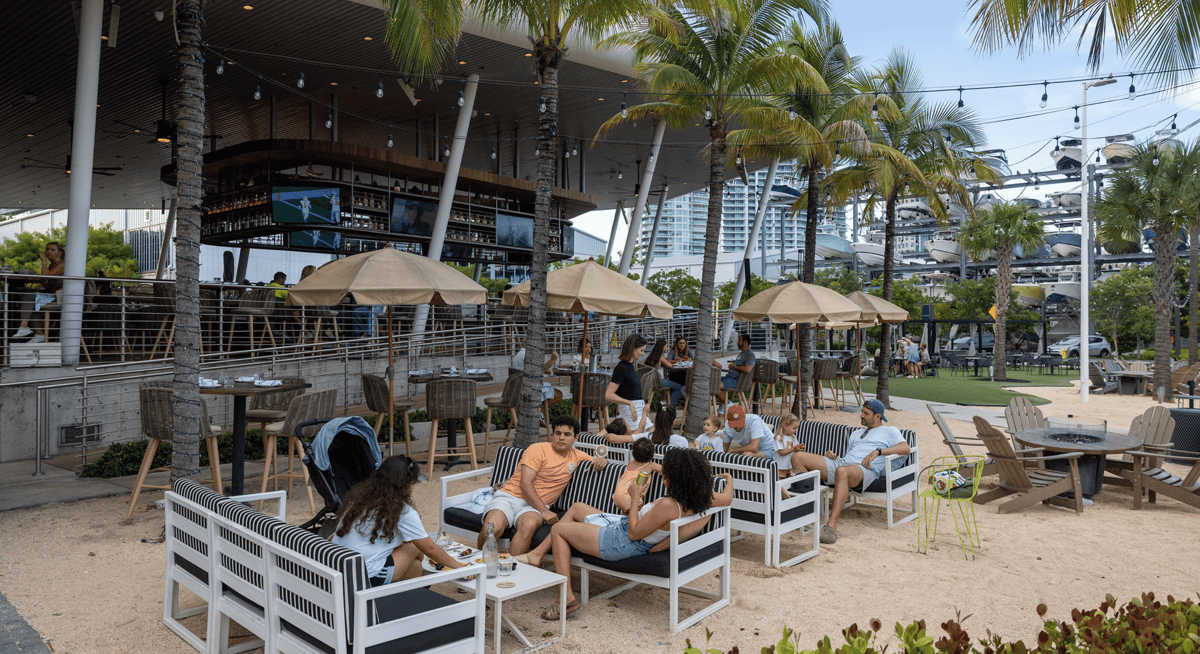
Bayshore Club helps guests unplug and recharge in Coconut Grove by offering a waterfront, open-air dining experience designed to promote relaxation and presence. The restaurant's bay views, open-air atmosphere, and fresh seafood menu naturally draw attention away from devices while encouraging present-moment experiences.
What Experiences Does Bayshore Club Offer to Help Guests Unplug Without Leaving the City?
Bayshore Club helps guests unplug without leaving the city by offering waterfront dining, open-air natural design, and a seafood-focused menu that encourages mindful, present eating. The restaurant's location in Coconut Grove provides immediate access to nature through its bayside setting, while acoustic design elements and strategic seating arrangements create intimate spaces for genuine conversation. Attentive service allows guests to linger without rush, and the resort-like atmosphere transforms a city meal into a restorative retreat.
According to a 2025 Cureus scoping review, digital detox experiences reduce stress and anxiety while improving life satisfaction. Bayshore Club's environment naturally supports these benefits through biophilic design elements that include water views, natural wood finishes, and tropical plants. The menu emphasizes locally sourced seafood with descriptive storytelling that focuses diners on culinary origins rather than screens.
|
Venue |
Element |
Description |
|
Bayshore Club |
Location |
Waterfront Coconut Grove |
|
Bayshore Club |
Design Style |
Open-air with natural materials |
|
Bayshore Club |
View Type |
Biscayne Bay panoramic |
|
Bayshore Club |
Service Style |
Attentive, unhurried |
|
Bayshore Club |
Menu Focus |
Fresh, local seafood |
These combined elements create multiple opportunities for disconnection without enforcing strict device policies, allowing guests to choose their level of digital engagement while naturally encouraging presence.
What Are the Key Takeaways About Restaurants That Help You Unplug Without Leaving the City?
The key takeaways about restaurants that help you unplug are that successful venues combine natural elements, thoughtful design, and service approaches that encourage presence without forcing disconnection. Bayshore Club exemplifies these principles through waterfront views that serve as natural focal points, biophilic design reducing urban stress, and menu storytelling that engages diners' attention.
A 2024 Polaris Market Research report projects the digital detox services market will reach $466.58 billion by 2034, indicating growing demand for unplugged experiences. Restaurants meeting this need share common features:
- Acoustic treatments and warm lighting that promote relaxation
- Natural materials and water features creating restorative environments
- Mindful menus with food origin stories
- Service styles allowing leisurely dining
- Optional rather than mandatory device policies
A 2024 American Customer Satisfaction Index study found overall dining experience drives customer satisfaction in full-service restaurants. Additionally, research from Olo in 2024 shows 60% of restaurant sales come from repeat customers, demonstrating how memorable unplugged experiences build loyalty.
Urban diners seeking digital respite should prioritize restaurants like Bayshore Club that naturally inspire disconnection through environmental design rather than restrictive policies, creating sustainable habits for technology-life balance.