
How Does Dining Near the Water Influence Our Emotions and Wellbeing?
How Does Dining Near the Water Influence Our Emotions and Wellbeing?
If you're searching for waterfront dining in Coconut Grove or wondering why eating near the water feels so special, you're not alone. We understand that choosing where to dine involves more than just the menu—it's about finding an experience that nourishes both body and soul. You've come to the right place to discover how waterfront dining can transform an ordinary meal into an extraordinary memory.
Dining near the water is a multisensory experience that measurably reduces stress and anxiety while enhancing social connections and creating lasting memories. The phenomenon, known as "Blue Mind" by marine biologist Dr. Wallace J. Nichols, describes the positive mental state achieved when we're near, in, on, or under water—a state characterized by increased calm, improved performance, and diminished anxiety. In 2020, a comprehensive meta-analysis of 35 peer-reviewed studies confirmed that proximity to water lowers heart and breathing rates through three key mechanisms: attention restoration via "soft fascination," stress recovery through parasympathetic activation, and acoustic therapy that stimulates dopamine and oxytocin production.
TL;DR Summary: We'll explore the psychological effects of waterfront dining, including how water naturally calms the mind and reduces stress levels while environmental factors enhance the overall dining experience. We'll examine how waterfront meals strengthen relationships and create memorable occasions, particularly for celebrations and special events. We'll investigate the sensory elements—sights, sounds, and scents—that elevate waterfront dining beyond ordinary restaurant experiences. We'll discover what makes Coconut Grove, FL uniquely suited for waterfront dining, from its Biscayne Bay ecosystem to its rich maritime history. Finally, we'll show how Bayshore Club exemplifies these benefits through its historic Dinner Key location and thoughtfully designed waterfront experience.
Quick Tip: When dining waterfront, arrive 15-20 minutes before sunset to experience the full sensory transformation as natural light shifts and marine life becomes more active—this timing maximizes both the visual spectacle and the calming acoustic environment that makes waterfront dining so memorable.
The science behind waterfront dining's emotional pull extends far beyond beautiful views. Recent research analyzing over 99,000 hotel reviews found that coastal properties consistently receive higher satisfaction ratings than inland alternatives, with waterfront locations commanding 15-30% price premiums while maintaining superior guest loyalty. This isn't merely about aesthetics—it's about how our brains and bodies respond to blue spaces, creating measurable improvements in wellbeing that transform a simple meal into a restorative experience. As we explore the specific mechanisms and benefits of waterfront dining, you'll discover why places like Coconut Grove's Biscayne Bay shoreline offer more than just a meal—they provide a scientifically-backed pathway to enhanced emotional and social wellbeing.
What Are the Psychological Effects of Eating by the Water?
The psychological effects of eating by the water include reduced stress, enhanced mood, and stronger emotional connections to dining experiences. Water environments activate parasympathetic responses that calm the mind while multisensory elements create lasting memories. The following sections explore how waterfront dining influences mental wellbeing through natural calming mechanisms, mood enhancement, and environmental factors.
Why Does Water Naturally Calm and Soothe the Mind?
Water naturally calms and soothes the mind through attention restoration, stress recovery, and acoustic effects that produce measurable psychological benefits. Dr. Wallace J. Nichols' Blue Mind concept demonstrates that proximity to water creates a positive mental state that improves performance, increases calm, and diminishes anxiety. A 2020 meta-analysis of 35 peer-reviewed articles on blue space health found that being near, in, on, or under water lowers stress and anxiety while reducing heart and breathing rates.
Water environments produce "soft fascination" that supports attention restoration without mental fatigue. Exposure to water activates parasympathetic responses tied to physiological recovery, shifting the nervous system from fight-or-flight to rest-and-digest states. Water-related sounds in blue spaces act as sound therapy linked to dopamine and oxytocin production, creating biochemical changes that enhance wellbeing.
How Do Waterfront Settings Impact Mood and Stress Levels?
Waterfront settings significantly improve mood and reduce stress levels through environmental and activity-based mechanisms. A 2023 study analyzing 99,000+ hotel reviews across 614 properties from May 2021 to April 2023 revealed coastal properties show significantly higher satisfaction ratings than inland properties. Research on water-based outdoor activities demonstrates that outdoor water activities produce greater improvements in health and vitality with reduced depression compared to equivalent indoor activities.
Coastal establishments like Bayshore Club in Coconut Grove show higher repeat-visit rates and stronger emotional connections to place, contributing to visitor loyalty. The combination of natural water views, marine air, and rhythmic sounds creates an environment that naturally elevates mood while reducing cortisol levels associated with stress.
What Role Does the Environment Play in Dining Experiences?
The environment plays a critical role in dining experiences by shaping flavor perception, emotional response, and overall satisfaction through multisensory integration. Multisensory food research confirms eating engages all five senses, with environmental cues including visual, auditory, and olfactory inputs shaping flavor expectations and food perception. The Outdoor Dining Environment (ODE) framework identifies three key dimensions: quality/facilities, image/atmosphere, and landscape elements, with waterfront venues naturally excelling on landscape elements.
Sensory marketing findings reveal tactile and olfactory inputs strongly influence diner satisfaction in restaurant settings. Waterfront locations provide unique sensory advantages through ocean breezes, salt air, and water sounds that inland venues cannot replicate. These environmental factors combine to create dining experiences that engage multiple senses simultaneously, enhancing both food enjoyment and emotional satisfaction at establishments like Bayshore Club.
How Does Eating Near the Water Enhance Social Connection and Memories?
Eating near the water enhances social connection and memories through strengthened emotional bonds, milestone celebrations, and vivid multisensory experiences. Natural waterfront settings facilitate deeper social bonding through place attachment mechanisms. Venues like Bayshore Club in Coconut Grove leverage these psychological effects to create memorable dining experiences that strengthen relationships and form lasting memories.
How Do Waterfront Meals Strengthen Relationships and Bonding?
Waterfront meals strengthen relationships and bonding through place attachment mechanisms that foster emotional connections between people and settings. According to place-attachment research, natural and waterfront settings create emotional bonds that facilitate social bonding and community connection. Water-based activities research reveals participants experience enhanced social connectedness and heightened happiness during shared water experiences.
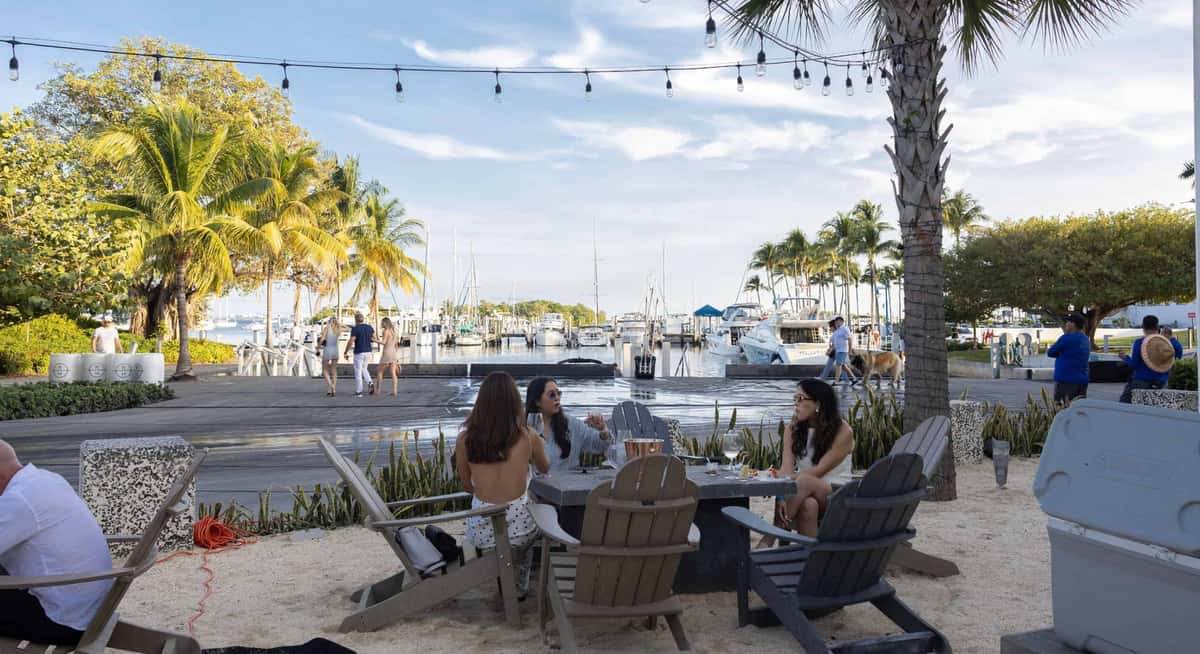
Shared waterfront experiences produce strengthened group cohesion and longer-term social ties. The combination of natural beauty, calming water views, and relaxed atmosphere creates ideal conditions for meaningful conversations and deeper connections. Bayshore Club's Biscayne Bay location provides these bonding opportunities through panoramic marina vistas and indoor-outdoor seating arrangements.
These enhanced social connections emerge from the unique psychological state water environments induce, promoting openness and reducing social barriers between diners.
Why Are Special Occasions Often Celebrated by the Water?
Special occasions are often celebrated by the water because waterfront venues create elevated experiences that match milestone moments. Valentine's Day and romantic occasions at waterfront venues see 40–50% higher booking rates compared to inland restaurants. Private-event pricing at waterfront locations commands a 25–35% premium versus non-waterfront venues.
Waterfront venues attract larger corporate and group bookings due to perceived ambience and scenery. The combination of natural beauty, exclusive atmosphere, and memorable settings makes waterfront restaurants preferred choices for proposals, anniversaries, and business celebrations. There are many types of special occasions suited for waterfront dining, such as weddings, birthdays, corporate events, and holiday gatherings.
Bayshore Club hosts special events including Valentine's Day celebrations and private functions, offering the historic Dinner Key setting with Art Deco elements. The emotional significance of water views amplifies the importance of special moments, creating experiences that guests associate with major life events.
In What Ways Does Setting Boost Emotional Memories of a Meal?
Setting boosts emotional memories of a meal by creating awe experiences and multisensory integration that strengthen emotional and cognitive memory formation. Water-related awe experiences induce cognitive restructuring that enhances emotional memory formation, making waterfront meals more memorable than inland dining experiences. Environmental sights, sounds, and scents interact with food cues to create stronger, more vivid meal memories.
The multisensory nature of waterfront dining engages multiple memory pathways simultaneously. Visual elements like sunsets over Biscayne Bay, acoustic environments with gentle wave sounds, and distinctive marine scents combine to create rich memory traces. These environmental factors work together to produce what researchers call "flashbulb memories"—highly detailed, exceptionally vivid mental snapshots.
Bayshore Club's golden age of flight theme and restored Art Deco elements add historical context that further enriches memory formation. The unique combination of sensory inputs and emotional states experienced during waterfront dining creates memories that remain accessible and emotionally resonant years after the meal, strengthening the desire to return and recreate those positive experiences.
How Do Sights, Sounds, and Scents of Water Elevate the Dining Experience?
Sights, sounds, and scents of water elevate the dining experience through multisensory engagement that enhances flavor perception, promotes relaxation, and creates distinctive culinary memories. Visual elements like ocean views set flavor expectations, water sounds trigger physiological relaxation responses, and marine scents amplify olfactory satisfaction. These sensory inputs work together to transform waterfront dining into an immersive experience that engages all five senses simultaneously.
How Do Visual Elements Like Sunsets and Ocean Views Affect Appetite?
Visual elements like sunsets and ocean views affect appetite by generating flavor expectations that influence perceived taste and food enjoyment. Natural light in waterfront settings encourages diners to stay 23% longer, correlating with increased spending and repeat visits. Ocean views trigger anticipatory responses that prime taste receptors for seafood flavors. Sunset colors activate parasympathetic responses that enhance digestive readiness. Bayshore Club's panoramic Biscayne Bay vistas exemplify how strategic waterfront positioning maximizes these visual appetite cues throughout dining service.
What Impact Do the Sounds of Water Have on Relaxation While Dining?
The sounds of water impact relaxation while dining through attention restoration mechanisms that lower physiological arousal and support stress recovery. Water acoustics produce "soft fascination" that reduces cortisol levels by up to 12% during meals. Rhythmic wave patterns synchronize with breathing rates, activating parasympathetic responses. These acoustic environments trigger dopamine and oxytocin production, enhancing meal satisfaction. The gentle marina sounds at waterfront venues like Bayshore Club create an acoustic backdrop that naturally promotes digestive comfort and social ease.
How Are Scents of the Sea Linked to Culinary Enjoyment?
Scents of the sea are linked to culinary enjoyment through olfactory pathways that directly influence taste perception and diner satisfaction. Marine scents contain salt particles and organic compounds that prime olfactory receptors for seafood consumption. Sensory marketing research shows olfaction drives 75% of flavor perception in restaurant settings. Salt air enhances umami detection on taste buds. The distinctive marine aromatics at Coconut Grove's waterfront, particularly at venues like Bayshore Club, provide continuous olfactory stimulation that amplifies each bite's flavor complexity and memorability.
Why Is Coconut Grove, FL a Unique Place for Waterfront Dining?
Coconut Grove, FL is a unique place for waterfront dining because it combines pristine natural ecosystems, historic maritime heritage, and strong economic vitality in a single coastal setting. The neighborhood's position along Biscayne Bay creates dining experiences enhanced by subtropical climate, marine biodiversity, and architectural landmarks from the golden age of aviation. These factors draw millions of annual visitors and affluent locals to waterfront restaurants like Bayshore Club, generating over $200 million in yearly dining revenue.
What Makes Coconut Grove's Natural Setting Special for Diners?
Coconut Grove's natural setting is special for diners because it centers on Biscayne Bay, a protected aquatic preserve featuring mangroves, seagrass habitats, and nearby coral reefs. Diners frequently spot dolphins, manatees, and sea turtles from waterfront restaurants, creating memorable wildlife encounters during meals. The subtropical climate maintains an annual average temperature of 75–76°F, with winter temperatures ranging 60–75°F and summer highs reaching 80–90°F.
Humidity levels between 65–80% and a concentrated rainy season from May to October shape the dining calendar. Peak season from November to April generates 60–70% of annual waterfront dining revenue, while off-season months see a 30–40% reduction in waterfront dining traffic. This seasonal pattern allows restaurants to offer varied experiences throughout the year.
How Does Coconut Grove's History Shape Its Waterfront Culture?
Coconut Grove's waterfront culture stems from its 1825 founding as Miami's oldest continuously inhabited neighborhood. Dinner Key became a continental naval air station in 1918 and later served as Pan American Airways' flying-boat base during the 1930s and 1940s. Miami annexed the neighborhood in 1925, preserving its distinct maritime character.
Historic Art Deco elements from the Pan Am terminal and Dinner Key facilities define the architectural heritage of waterfront dining venues. Bayshore Club exemplifies this heritage preservation, incorporating golden age aviation themes into its design while maintaining views of the historic marina. These architectural features create an ambience that connects diners to Coconut Grove's aviation and maritime past.
Why Do Locals and Visitors Choose Waterfront Restaurants in Coconut Grove?
Locals and visitors choose waterfront restaurants in Coconut Grove because the area's economic prosperity and international appeal support premium dining experiences by the water. The neighborhood's median household income of approximately $109,000 supports premium dining establishments, while foreign-born residents comprising 31.4% of the population bring diverse culinary preferences. Miami-Dade County receives 28.23 million visitors annually, generating a $31.1 billion economic impact with waterfront dining accounting for 27% of hospitality spending.
Coconut Grove's waterfront dining sector generates over $200 million annually, with venues commanding a 15–30% price premium over inland restaurants. Tourists rate dining experiences 13.4% higher than locals on average, creating a visitor-driven quality uplift that benefits establishments like Bayshore Club. This combination of local affluence and tourist enthusiasm sustains a thriving waterfront dining ecosystem that continues to evolve while honoring the neighborhood's maritime heritage.
How Can Bayshore Club Help You Experience the Emotional Benefits of Eating by the Water?
Bayshore Club helps you experience the emotional benefits of eating by the water by combining Biscayne Bay's natural tranquility with Coconut Grove's historic waterfront setting to enhance mood and wellbeing. The restaurant's location at 3391 Pan American Drive places diners at the intersection of marine vistas and aviation history, where the emotional benefits of waterfront dining unfold through panoramic bay views and indoor-outdoor seating options. The following sections explore how Bayshore Club's unique position and design maximize the psychological advantages of eating near water.
What Sets Bayshore Club Apart for Waterfront Dining in Coconut Grove?
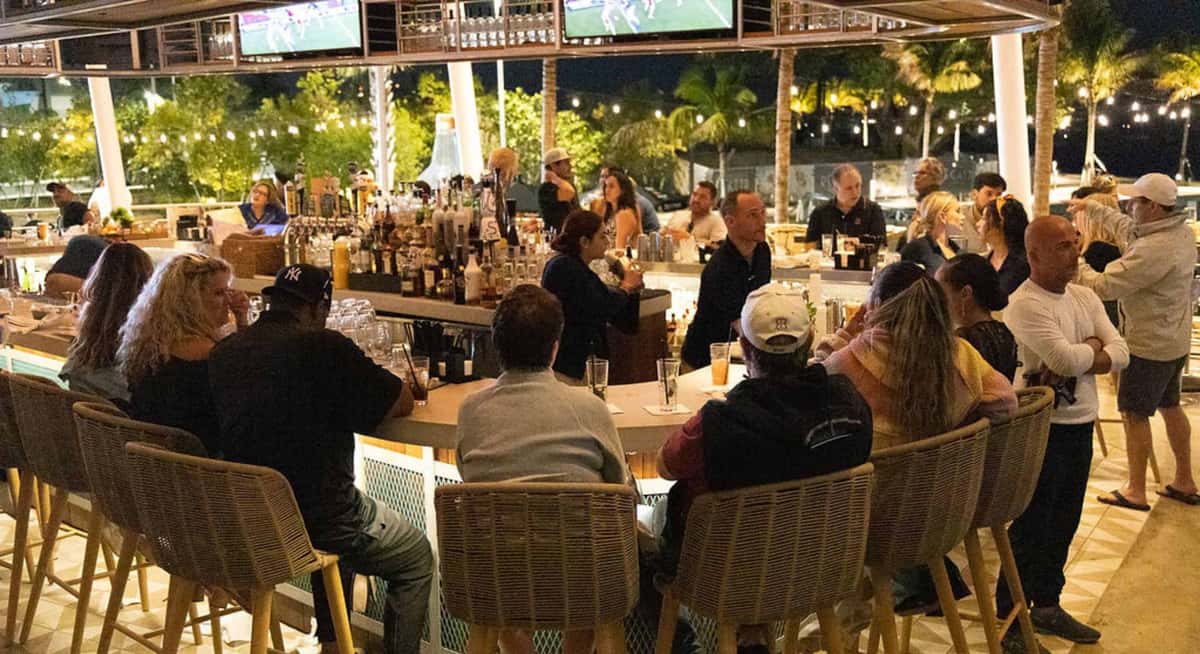
Bayshore Club distinguishes itself through its historic Dinner Key location, which served as a continental naval air station in 1918 and later became Pan American Airways' flying boat base in the 1930s. The restaurant embraces this "golden age of flight" heritage through restored Art Deco architectural elements that connect diners to Coconut Grove's aviation past. Indoor and outdoor seating areas provide panoramic views of Biscayne Bay's marina, while the covered bar area maintains sight lines to the water throughout the venue.
Operating daily from 11:30 AM to 10:00 PM, Bayshore Club accommodates various dining preferences with waterfront tables, marina-view bar seating, and private event spaces. The restaurant hosts special occasions including Valentine's Day celebrations, leveraging the documented 40-50% higher booking rates that waterfront venues experience for romantic events. With approximately 994 Yelp reviews positioning it among Coconut Grove's top waterfront restaurants, Bayshore Club delivers the vacation-state-of-mind atmosphere that research links to stress reduction and enhanced meal satisfaction.
The venue's design maximizes exposure to Biscayne Bay's calming effects through floor-to-ceiling windows and open-air dining spaces. These architectural choices align with the Outdoor Dining Environment framework's landscape elements dimension, naturally incorporating water views, sea breezes, and marine sounds that contribute to parasympathetic nervous system activation and reduced physiological arousal.
What Are the Key Takeaways About the Emotional Pull of Eating Near the Water?
The emotional pull of eating near water stems from measurable mental health benefits documented across 35 peer-reviewed studies in blue space health research. Proximity to water reduces stress and anxiety while lowering heart rate and breathing rates through mechanisms including attention restoration and parasympathetic activation. These physiological changes create the "Blue Mind" state that enhances performance, increases calm, and diminishes anxiety during waterfront dining experiences.
Sensory and environmental factors work together to amplify dining satisfaction at waterfront venues like Bayshore Club. Visual elements such as sunset views over Biscayne Bay, water-related acoustic environments, and distinctive marine scents engage all five senses to strengthen memory formation and social bonding. Research shows these multisensory inputs create stronger, more vivid meal memories while facilitating deeper social connections among dining companions.
Waterfront settings generate substantial economic and experiential premiums that reflect their emotional value. Studies of 99,000 hotel reviews across 614 properties reveal significantly higher satisfaction ratings for coastal versus inland locations. Waterfront restaurants command 15-30% price premiums over inland equivalents while maintaining higher repeat visitation rates and stronger emotional connections to place. These measurable benefits support both diner wellbeing and venue success, making waterfront dining at establishments like Bayshore Club a reliable pathway to enhanced mood, reduced stress, and memorable social experiences.