
How to Plan a Baby Shower
How to Plan a Baby Shower
A baby shower is a celebratory gathering held in honor of expectant parents, designed to welcome a new arrival with gifts, food, and shared joy among close family and friends.
This guide covers early planning foundations, theme and decor design, venue selection, invitation strategy, menu and beverage planning, games and activities, favors and keepsakes, and how a Coconut Grove waterfront venue brings it all together.
Setting a timeline four to six weeks out, identifying a host, and locking in a budget before any booking protects against overspending and gives hosts time to coordinate preferences directly with the guest of honor.
Theme selection works best when it reflects the honoree's actual personality and cultural traditions rather than trending templates, with layered decor elements like balloon installations, personalized signage, and coordinated tablescaping turning any space into a cohesive visual story.
Venue choice hinges on guest capacity, accessibility, indoor-outdoor flexibility, and on-site amenities; locations offering both covered and open-air areas in mild climates like Coconut Grove give hosts the most options without a weather gamble.
Invitations sent four to six weeks early, paired with a clear RSVP deadline and registry details, reduce last-minute coordination for hosts and guesswork for guests alike.
A buffet mixing finger foods, allergen-labeled dishes, and creative non-alcoholic drinks keeps every guest comfortable, while proper temperature holding (140°F for hot items, 40°F for cold) maintains food safety throughout the event.
Inclusive games, meaningful favors like reusable or personalized items, and dedicated photo coverage through assigned guests or a professional photographer ensure the celebration produces lasting memories. Bayshore Club on Coconut Grove's historic Dinner Key waterfront combines curated cuisine, private event spaces, and a golden-age-of-aviation atmosphere into one location that simplifies every logistical detail.
What Are the First Steps in Organizing a Baby Shower?
The first steps in organizing a baby shower are setting a timeline, identifying a host, and establishing a budget. These three foundational decisions shape every choice that follows, from venue to guest list.
When Should You Start Planning a Baby Shower?
You should start planning a baby shower four to six weeks before the desired event date. This window provides enough time to secure a venue, finalize the guest list, and send invitations without rushing key decisions.
Because U.S. births peak in summer and decline in winter, according to the U.S. Census Bureau's 2021 analysis of birth seasonality, popular venue dates fill quickly during spring and early summer months. Starting earlier gives hosts a wider selection of available spaces, particularly in high-demand areas like Coconut Grove.
A planning timeline of six weeks or more also allows the host to coordinate with the expectant parent on preferences for theme, food, and activities before locking in details.
Who Traditionally Hosts a Baby Shower?
The traditional host of a baby shower is a close friend, coworker, or family member of the expectant parent. While older etiquette discouraged immediate family from hosting, modern celebrations have shifted that norm considerably.
Today, sisters, mothers, partners, and even the expectant parents themselves frequently organize the event. Baby showers have evolved into private birth rites conducted with close family members or near relatives and friends, as documented in a 2025 literature review published in the International Journal of Sociology and Social Policy. Co-hosting is another common approach; splitting responsibilities across two or three people reduces the workload and allows costs to be shared. The most important factor is that the host communicates directly with the guest of honor to align on expectations.
How Do You Establish a Budget for the Event?
You establish a budget for the event by listing every anticipated expense category, assigning a dollar range to each, and confirming who will contribute. Key budget categories include:
- Venue rental or reservation deposit
- Food and beverages
- Decorations and theme supplies
- Invitations, whether printed or digital
- Games, prizes, and favors
According to PCMA's 32nd Meetings Market Survey (December 2025), two in five event planners expect their overall budgets to remain flat year over year, reinforcing the importance of realistic cost planning from the start. Setting a firm total before booking anything prevents incremental overspending. For hosts working with a tighter budget, prioritizing venue and food first typically delivers the greatest guest experience per dollar.
With your timeline, host, and budget confirmed, the next step is choosing a theme that reflects the guest of honor.
How Do You Choose the Perfect Baby Shower Theme?
You choose the perfect baby shower theme by aligning the concept with the guest of honor's personality, cultural traditions, and the event's overall aesthetic. The sections below cover popular themes, personalization strategies, and creative decor ideas.
What Are Popular Baby Shower Themes?
Popular baby shower themes include nature-inspired motifs (such as woodland animals, garden florals, and tropical palms), storybook characters, celestial designs featuring moons and stars, and gender-neutral color palettes built around sage green, soft yellow, or terracotta. Cultural celebrations also shape theme choices in meaningful ways. According to the Stroum Center for Jewish Studies at the University of Washington (2025), Sephardic women have been hosting baby showers for centuries through a tradition known in Ladino as a kortar fashadura. Seasonal settings matter too; a summer shower might lean into citrus and nautical accents, while a winter gathering suits cozy textures and metallic tones. The best themes create a cohesive visual story that guests remember long after the celebration ends.
How Do You Match a Theme to the Guest of Honor's Interests?
You match a theme to the guest of honor's interests by identifying what they genuinely love, then translating those passions into event design. Start by considering personal details:
- Favorite hobbies, such as travel, cooking, or gardening
- Preferred color palettes or patterns they gravitate toward at home
- Nursery design choices they have already made
- Cultural or family traditions that hold personal significance
A conversation with the parent-to-be (or their closest circle, if the shower is a surprise) reveals these details quickly. The theme should feel like a natural extension of their personality rather than a generic template. Prioritizing authenticity over trends produces a celebration that resonates emotionally with both the honoree and their guests.
What Are Some Creative Decor Ideas for a Baby Shower?
Creative decor ideas for a baby shower turn ordinary spaces into memorable settings through layered details:
- Balloon installations: Organic garlands in muted tones or bold arches framing the gift table
- Personalized signage: Hand-lettered welcome boards, custom menu cards, and milestone displays
- Centerpiece variety: Mixed-height floral arrangements, potted succulents guests take home, or themed figurines
- Photo stations: A styled backdrop with props tied to the chosen theme for candid snapshots
- Tablescaping: Coordinated linens, place cards, and thematic napkin folds that reinforce the color story
Keeping the focal points to two or three statement pieces prevents visual clutter while maintaining impact. For planners considering a venue with built-in ambiance, selecting a space with strong existing character reduces the amount of additional decor needed.
With a theme and decor vision established, the next step is finding the right venue to bring it all together.
How Do You Select a Baby Shower Venue?
You select a baby shower venue by evaluating guest count, indoor versus outdoor preference, accessibility, and budget. The sections below cover key selection factors, guest list sizing, and the indoor-outdoor decision.
What Factors Should You Consider When Choosing a Venue?
The factors you should consider when choosing a venue include:
- Guest capacity: The space must comfortably fit all attendees and planned activities.
- Accessibility: Entrances, restrooms, and seating should accommodate guests with mobility needs, including expectant mothers.
- Parking and location: Convenient access reduces stress for guests traveling with children or gifts.
- On-site amenities: In-house catering, climate control, and dedicated event staff simplify logistics.
- Budget alignment: Venue costs should leave room for food, decor, and favors.
According to a 2024 University of Delaware guide on venue selection, your venue should comfortably accommodate attendees and planned activities, creating an inclusive environment where all guests feel welcome. For a celebration as personal as a baby shower, prioritizing the guest of honor's comfort over aesthetics tends to produce a better experience for everyone.
How Many Guests Should You Invite to a Baby Shower?
The number of guests you should invite to a baby shower typically ranges from 15 to 40, depending on the venue size and budget. Intimate showers with 15 to 20 guests allow for meaningful interaction, while larger gatherings of 30 to 40 suit families with wide social circles. Finalizing the guest list before booking a venue ensures the space matches the group size. Venue capacity directly shapes every other planning decision, from food portions to seating arrangements, so confirming your headcount early prevents last-minute adjustments that inflate costs.
Should You Host the Baby Shower Indoors or Outdoors?
You should host the baby shower indoors or outdoors based on weather reliability, guest comfort, and available amenities. Outdoor settings offer natural light and open space, which suit casual themes well in mild climates like Coconut Grove. However, they require a backup plan for rain or heat. Indoor venues provide climate control, consistent lighting for photos, and easier food-safety management. A waterfront location with both covered and open-air areas can deliver the best of both settings without forcing an all-or-nothing choice.
With the venue locked in, attention can shift to crafting the perfect invitation.
What Should You Include in a Baby Shower Invitation?
A baby shower invitation should include the guest of honor's name, event date, time, location, RSVP details, and theme or dress code. The sections below cover wording, send timing, and registry etiquette.
How Do You Word a Baby Shower Invitation?
You word a baby shower invitation by leading with the guest of honor's name, followed by essential event details in a clear, warm tone. Every invitation should contain these core elements:
- Guest of honor's full name (and partner's name, if co-ed)
- Date, start time, and end time
- Venue name and full address
- Host name and RSVP contact method
- RSVP deadline
- Theme, dress code, or color palette (if applicable)
- Any special notes, such as dietary preference requests or parking instructions
Keep the language consistent with the shower's formality. A brunch gathering at a waterfront venue calls for polished phrasing, while a backyard celebration suits a casual, playful tone. Matching the invitation's voice to the event itself sets accurate guest expectations from the start.
When Is the Best Time to Send Out Invitations?
The best time to send out invitations is four to six weeks before the baby shower date. This window gives guests enough time to check schedules, arrange travel, and purchase gifts, while keeping the event top of mind.
According to a Calvert County Department of Economic Development event planning guide, invitations should be mailed two to four weeks before an event, with an RSVP cutoff set roughly one week prior. For baby showers, extending that lead time to six weeks accounts for guests who may need to coordinate childcare or travel.
Set the RSVP deadline at least one week before the shower so you can finalize the headcount for seating, food, and favors. Both printed and digital invitations work well; e-vites offer faster delivery and easy RSVP tracking, while printed cards feel more personal. Whichever format you choose, include a designated contact person for questions.
Should You Include Registry Details in the Invitation?
Yes, you should include registry details in the invitation, though how you present them matters. Listing the registry link or store name on a separate insert card or on the back of the invitation keeps the focus on the celebration rather than the gifts.
For digital invitations, embedding a direct hyperlink to the registry simplifies the process for guests. If you use printed invitations, a small enclosed card with the registry name and URL is the most common approach.
Including registry information actually reduces guesswork for attendees and helps avoid duplicate gifts, which benefits both the guests and the parents-to-be. Omitting registry details often leads to guests contacting the host individually, creating unnecessary back-and-forth. Providing this information upfront is practical, not presumptuous.
With invitations finalized, the next step is planning what to serve your guests.
What Types of Food and Drinks Should You Serve at a Baby Shower?
You should serve a mix of easy-to-eat finger foods, light main dishes, and refreshing non-alcoholic beverages. The sections below cover classic menu ideas, dietary accommodations, and drink options.
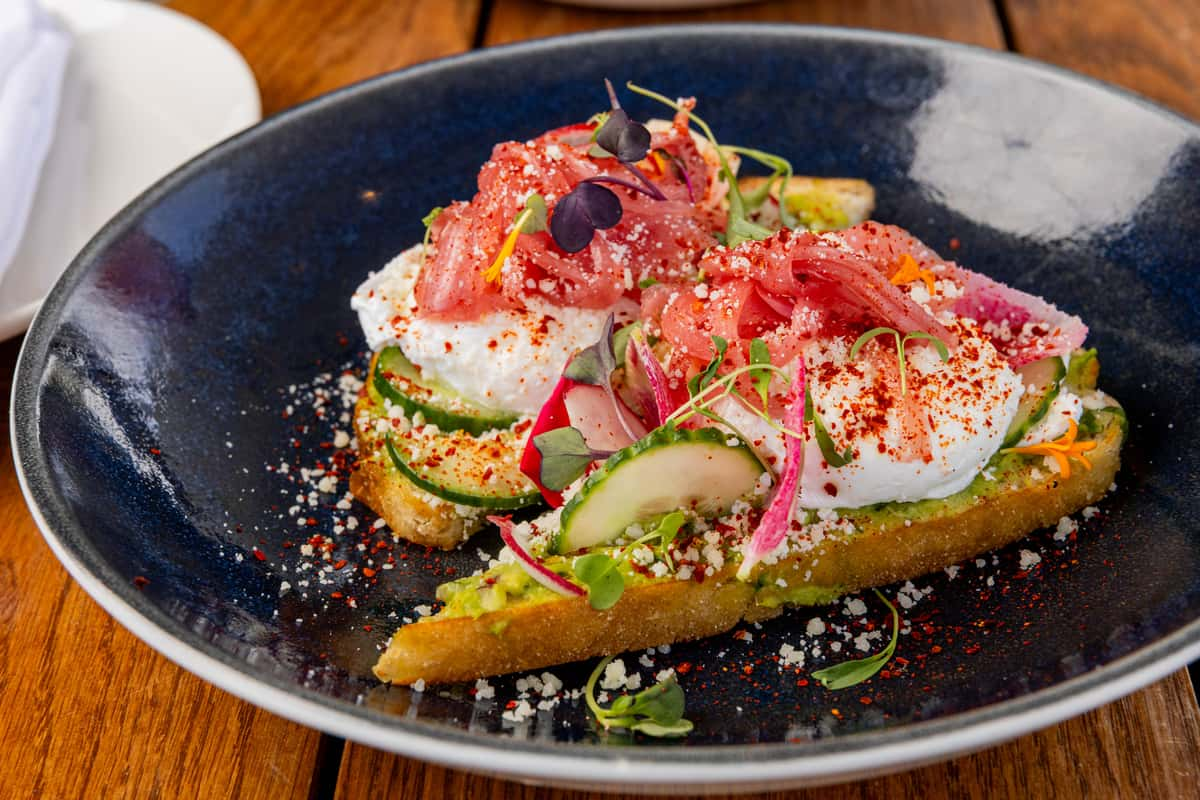
What Are Some Classic Baby Shower Menu Ideas?
Some classic baby shower menu ideas are finger foods and light bites that guests can enjoy while mingling. A well-rounded buffet typically includes:
- Mini sandwiches or sliders
- Fruit and cheese platters
- Veggie crudités with dip
- Deviled eggs
- Bite-sized quiches or pastry cups
- A decorated cake or cupcake display
Buffet-style service works especially well because it lets guests graze at their own pace. One practical detail many hosts overlook is temperature control. According to the Minnesota Department of Health's guidelines on keeping food safe during buffets, hot foods should be held at 140°F or warmer while cold foods should be held at 40°F or colder. Using chafing dishes for warm items and ice trays beneath cold platters keeps everything in the safe zone throughout the event.
How Do You Cater to Dietary Restrictions or Preferences?
You cater to dietary restrictions or preferences by collecting guest needs early and building the menu around common accommodations. Including a dietary preference question on the RSVP simplifies this step considerably.
Practical options to cover most guests include:
- Gluten-free crackers and dips alongside standard bread options
- Dairy-free fruit sorbets or coconut-based desserts
- Nut-free items clearly separated and labeled
- Vegetarian or plant-based protein bites, such as hummus wraps or stuffed mushrooms
According to a 2023 CDC/National Center for Health Statistics data brief, 5.8% of children in the United States had a diagnosed food allergy in 2021. Since many baby showers include young children among guests, labeling every dish with its key allergens is a small effort that prevents real risk. For any event with 20 or more guests, planning at least two allergen-friendly alternatives per course is a reliable baseline.
What Non-Alcoholic Drink Options Work Well for Baby Showers?
Non-alcoholic drink options that work well for baby showers include infused waters, mocktails, sparkling fruit punches, and specialty lemonades. Because the guest of honor is expecting, a thoughtfully crafted alcohol-free drink menu ensures everyone can toast together comfortably.
Popular choices include:
- Sparkling elderflower lemonade
- Cucumber mint water
- Virgin mojitos or alcohol-free sangria
- Fresh-squeezed juices served in pitchers
- Iced herbal teas, such as hibiscus or chamomile
Setting up a self-serve drink station with garnishes like fresh berries, citrus wheels, and herb sprigs adds a festive, interactive element without requiring extra staff. Keeping cold beverages on ice below 40°F also maintains both flavor and food safety throughout the celebration.
With the menu and drinks planned, choosing the right games and activities keeps guests entertained between bites.
Which Baby Shower Games and Activities Are Most Enjoyable?
The most enjoyable baby shower games and activities match the energy and comfort level of the guest list. The sections below cover choosing crowd-pleasing games, offering low-key alternatives, and keeping every guest involved.

How Do You Choose Games Everyone Will Love?
You choose games everyone will love by matching activity style to your guest demographics. Consider the age range, mobility levels, and social comfort of attendees before finalizing any lineup.
Practical selection criteria include:
- Group size compatibility: Choose games that work for your confirmed headcount, not just an ideal number.
- Time awareness: Limit each game to 10 minutes so energy stays high and the schedule stays on track.
- Participation threshold: Favor games where guests can join voluntarily rather than being put on the spot.
- Theme alignment: Tie activities to your shower theme for a cohesive feel.
Mixing one competitive game with one collaborative activity tends to satisfy both introverts and extroverts without exhausting anyone.
What Are Some Low-Key Alternatives to Traditional Games?
Some low-key alternatives to traditional games include creative stations, shared storytelling, and collaborative keepsakes. These options engage guests without the pressure of competition.
- Advice-card station: Guests write parenting tips or wishes for the baby at their own pace.
- Onesie decorating table: Fabric markers and plain onesies let guests create personalized gifts.
- Memory jar: Attendees drop written memories or hopes into a decorated jar the parents keep.
- Baby book assembly: Guests each complete a page of a scrapbook during the shower.
According to the University of Maryland Office of Sustainability, choosing reusable items over disposable materials reduces environmental impact. Craft stations that double as functional gifts align perfectly with this principle.
How Can You Make Activities Inclusive for All Guests?
You can make activities inclusive for all guests by offering seated options, multilingual materials, and varied difficulty levels. No guest should feel sidelined because of physical limitations, language barriers, or personality differences.
Key inclusivity practices:
- Seated and standing options: Ensure every game has a way to participate while seated.
- Written and verbal formats: Provide both so quieter guests and those with hearing differences can engage equally.
- Cultural sensitivity: Avoid games that rely on culturally specific references unfamiliar to parts of the group.
- Open-ended activities: Craft stations and wish-card tables let guests participate on their own terms.
For baby showers where accessibility matters most, planning activities that welcome every guest creates a celebration worth remembering.
How Do You Select and Present Baby Shower Favors?
You select and present baby shower favors by choosing small, meaningful items that reflect the shower's theme and displaying them where guests can easily pick them up as they leave. The sections below cover memorable favor ideas and effective distribution methods.
What Are Memorable Baby Shower Favor Ideas?
Memorable baby shower favor ideas are small, thoughtful gifts that remind guests of the celebration long after the event ends. The most appreciated favors tend to be practical, eco-friendly, or personalized. According to the University of Maryland Office of Sustainability, choosing reusable items such as portable bamboo utensils, reusable straws, water bottles, travel mugs, and canvas bags reduces environmental impact while giving guests something they will actually use.
Strong favor categories include:
- Edible treats: Individually wrapped cookies, honey jars, or custom candy tied to the shower's color palette.
- Reusable keepsakes: Mini succulents, seed packets, or small candles with personalized labels.
- Personalized items: Custom tags or stickers featuring the baby's name, due date, or a short thank-you note from the parents-to-be.
Favors that serve a purpose beyond decoration consistently leave the strongest impression, making practical gifts a reliable choice for any baby shower theme.
How Should You Display or Distribute Favors at the Event?
You should display or distribute favors at the event by placing them at a clearly designated station near the exit, so guests collect them naturally as they depart. A dedicated favor table prevents clutter on the main dining surface, which matters for both aesthetics and function. Labeling the display with a small sign, such as "A little something to take home," removes any guessing.
Effective distribution approaches include:
- Setting favors at each guest's place setting if the group is small enough for assigned seating.
- Arranging them in a basket or tiered tray near the door for larger, open-format showers.
- Having the host hand favors directly to guests during goodbyes for a personal touch.
Whichever method you choose, keeping favors visible yet out of the way of food and activities ensures a smooth guest experience. With favors planned, capturing the day's best moments becomes the next priority.
How Should You Capture and Remember the Baby Shower?
You should capture and remember the baby shower by assigning a dedicated photographer, using creative documentation methods, and creating lasting keepsakes. The sections below cover who should handle photos, unique ways to document the event, and meaningful keepsake ideas.
Who Should You Assign to Take Photos or Videos?
You should assign a trusted friend or family member who is not deeply involved in hosting duties to take photos or videos. This person can focus entirely on candid moments, gift openings, and guest reactions without being pulled away by logistics. According to the Princeton University Event Planning Toolkit, organizers should consider hiring a professional photographer for key events they would like to archive. If the budget allows, a professional ensures consistent lighting, composition, and coverage throughout the celebration. For a budget-friendly approach, designate two guests with quality smartphone cameras so that one can capture wide-angle group shots while the other focuses on close-up details.
What Are Creative Ways to Document the Occasion?
Creative ways to document the occasion include guest-contributed content stations, collaborative journals, and short video messages. Setting up a polaroid station where attendees snap instant prints and pin them to a display board gives the parents a physical gallery by the end of the event. A shared digital album, accessible via QR code at each table, lets every guest upload real-time photos. Guests can also record brief video wishes on a tablet, which the host later compiles into a highlight reel. These approaches transform passive attendees into active documentarians, producing a richer archive than any single photographer could alone.
How Do You Create Keepsakes for the Parents-to-Be?
You create keepsakes for the parents-to-be by incorporating interactive elements that guests contribute to during the shower. Popular options include:
- A handwritten advice book where each guest writes a parenting tip or personal message on a themed card.
- A time capsule box filled with letters, small mementos, and predictions for the baby's first year.
- A custom fingerprint tree print, where each guest adds a thumbprint "leaf" and signs their name beneath it.
- A onesie-decorating station where attendees use fabric markers to create one-of-a-kind garments.
These keepsakes carry personal significance because they reflect genuine relationships rather than store-bought sentimentality, making them treasured items long after the celebration ends. With documentation and keepsakes handled, the right venue ties every detail together.
How Can Bayshore Club in Coconut Grove Enhance a Baby Shower Celebration?
Bayshore Club in Coconut Grove can enhance a baby shower celebration by offering a waterfront setting, curated food and drink menus, and private event hosting on the historic Dinner Key site. The sections below cover hosting options and key planning takeaways.
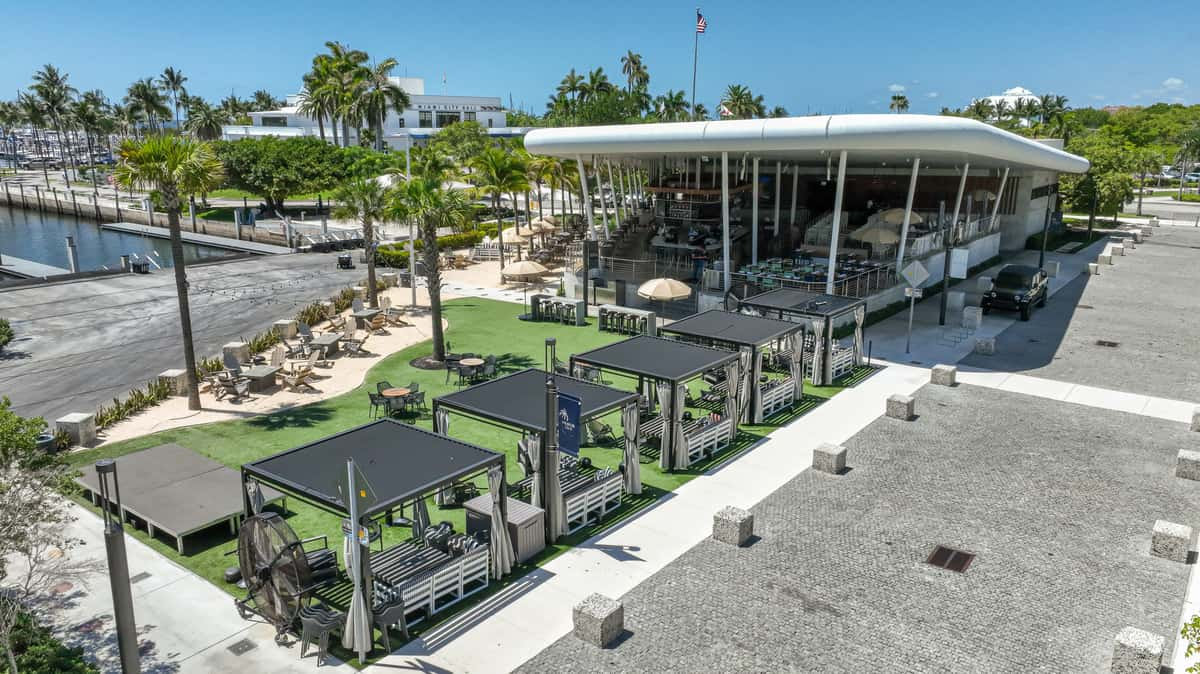
What Baby Shower Hosting Options Does Bayshore Club Offer?
Bayshore Club offers baby shower hosting options that include private event spaces at its waterfront Coconut Grove location. Built on the historic Dinner Key site, once home to Pan American World Airways' Clipper planes, the venue creates a distinctive atmosphere rooted in golden-age-of-aviation charm.
Guests can expect fresh, high-quality cuisine from an all-day menu featuring a raw bar with seafood selections, along with brunch offerings and a full cocktail list. Live band entertainment adds energy without overwhelming conversation. The vacation-state-of-mind atmosphere, with open waterfront views, provides a naturally elegant backdrop for gift openings, group photos, and mingling. For hosts seeking a celebration that feels both polished and relaxed, few Coconut Grove venues combine history, scenery, and culinary quality the way Bayshore Club does.
What Are the Key Takeaways for Planning an Unforgettable Baby Shower?
The key takeaways for planning an unforgettable baby shower center on early preparation, thoughtful personalization, and a venue that simplifies logistics. The most actionable lessons from the full planning process include:
- Start planning four to six weeks before the desired date to secure your venue, finalize the guest list, and send invitations on time.
- Set a clear budget before booking anything, then allocate across venue, food, decor, and favors.
- Choose a theme that reflects the guest of honor's personality, and carry it consistently through invitations, decor, and activities.
- Accommodate dietary restrictions by confirming guest needs in advance and selecting a menu with varied options.
- Hold hot foods at 140°F or warmer and cold foods at 40°F or colder to maintain food safety throughout the event.
- Select games and favors that match the group's energy; inclusive, low-key alternatives often create the most genuine interaction.
- Assign someone to capture photos and video so the parents-to-be can stay present and enjoy the celebration.
Prioritizing these steps transforms scattered tasks into a cohesive plan. A venue like Bayshore Club, where food, ambiance, and event coordination come together in one waterfront location, removes much of the logistical friction that makes baby shower planning stressful.