
How to Plan a Corporate Conference
How to Plan a Corporate Conference
Planning a corporate conference is the process of aligning objectives, budget, venue, agenda, and logistics into a single coordinated event that delivers measurable business outcomes.
This guide covers foundational planning and budgeting, venue selection and waterfront advantages, agenda design and speaker strategy, event logistics and catering, entertainment and branding, compliance and accessibility, and post-event evaluation.
Foundational planning starts with SMART objectives that anchor every downstream decision, followed by budget development at a nine-month lead time and date selection that accounts for scheduling conflicts, travel logistics, and venue availability in your target market.
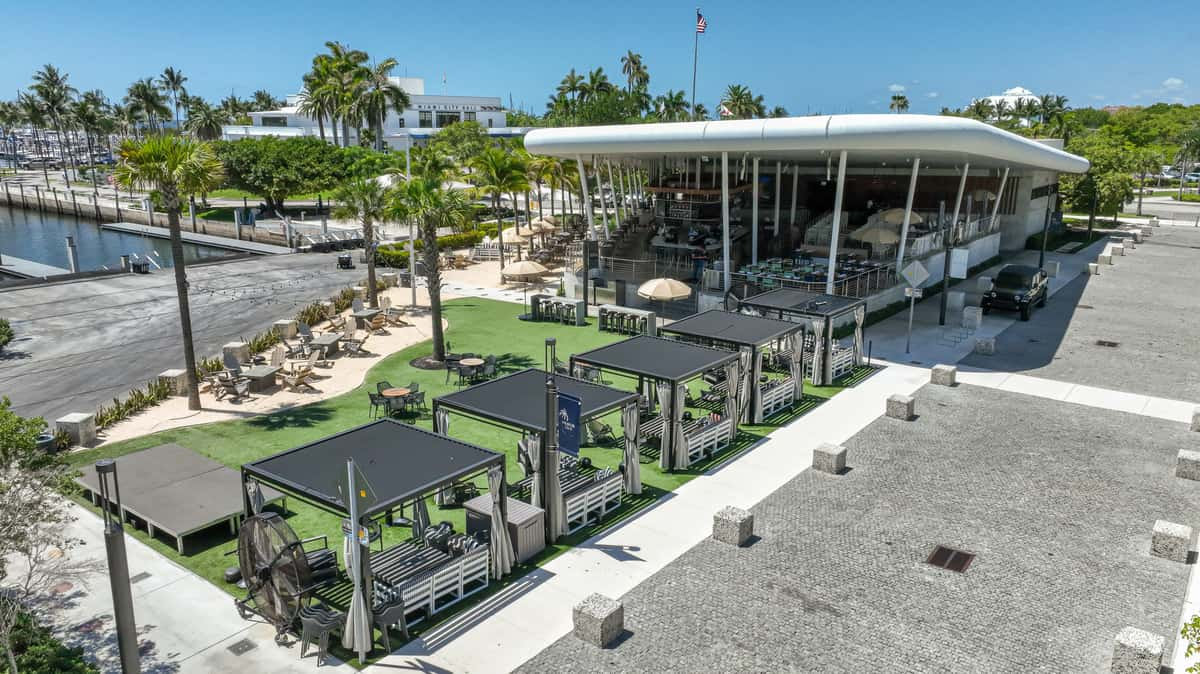
Venue selection weighs capacity, ADA compliance, AV infrastructure, and emergency preparedness against your event format. Waterfront locations like Coconut Grove provide year-round outdoor settings that naturally extend networking beyond the conference room; Bayshore Club on Biscayne Bay accommodates groups from 20 seated to 250 cocktail-style.
Agenda design alternates focused content blocks with short breaks every 30 to 50 minutes and structured networking sessions, while speaker booking follows a timeline that begins 8 to 12 months out for high-profile presenters and finalizes confirmations two to three months before the event.
Logistics span registration systems that capture dietary and accessibility needs, AV rehearsals scheduled the day before, and detailed site plans with clear staff roles. Catering balances plant-forward menus, allergen labeling, and food-safe temperature control; specialty bars and brunch service create social anchors between sessions.
Branding relies on consistent signage, digital event tools, and unified presentation templates distributed to speakers in advance. Compliance planning secures permits, liability insurance, and OSHA-aligned crowd management protocols.
Post-event evaluation closes the loop by comparing satisfaction scores, attendance conversion, and open-ended feedback against original objectives, then archiving those insights for future conferences.
What Are the Initial Steps to Organize a Corporate Conference?
The initial steps to organize a corporate conference are defining objectives, establishing a budget, and selecting a date. These foundational decisions shape every downstream choice, from venue sourcing to speaker booking.
Why Is Setting Clear Objectives Important for a Corporate Conference?
Setting clear objectives is important for a corporate conference because objectives align every planning decision with measurable business outcomes. Without defined goals, budget allocation, speaker selection, and agenda design lack direction.
The Centers for Disease Control and Prevention recommends making objectives Specific, Measurable, Achievable, Relevant, and Time-bound (SMART) to track progress and meet evaluation expectations. Effective conference objectives typically address:
- The primary business purpose, such as product launches, training, or networking
- Target audience size and composition
- Desired attendee takeaways or behavior changes
- Success metrics that connect to ROI measurement
Starting with SMART objectives before any other planning step prevents scope creep and gives every team member a shared reference point for decisions.
How Do You Establish a Budget for a Corporate Event?
You establish a budget for a corporate event by identifying all revenue sources, estimating major expense categories, and submitting the budget for approval early in the planning timeline. According to Brown University's Event Strategy and Management Planning Guide, most events take a minimum of six months to fully plan, with budget consideration recommended at a nine-month lead time.
Key budget line items to estimate include:
- Venue rental and deposits
- Catering and beverage service
- Audio-visual equipment and production
- Speaker fees and travel reimbursement
- Marketing and printed materials
- Staffing and logistics coordination
- A contingency reserve for unexpected costs
Locking the budget early forces honest conversations about trade-offs. Planners who delay this step often face compressed timelines and compromised quality downstream.
What Considerations Go Into Selecting a Date and Duration?
The considerations that go into selecting a date and duration include checking for scheduling conflicts, matching the timeline to event complexity, and allowing adequate lead time for speakers and vendors. The City of New York's Event Planning Checklist advises planners to check district, local, city, and state calendars at least six weeks out to avoid conflicting major events.
Additional date-selection factors include:
- Industry conference seasons and competitor event schedules
- Travel logistics and peak-season pricing at the chosen destination
- Internal stakeholder availability and fiscal-year timing
- Venue availability in the target location, such as Coconut Grove
Duration should reflect the agenda scope; a single-track half-day format suits focused training, while multi-day conferences accommodate keynotes, breakout sessions, and networking. Choosing the right venue is the next critical step once these foundational decisions are set.
How Do You Choose the Right Venue for a Corporate Conference?
You choose the right venue for a corporate conference by evaluating capacity, accessibility, location, and the overall environment against your event objectives. The following sub-sections cover what to prioritize in a venue, how location shapes attendance, and why waterfront settings create a distinctive conference experience.
What Should You Look For in a Corporate Conference Venue?
You should look for a corporate conference venue that aligns with your event's format, guest count, accessibility requirements, and emergency preparedness. A venue's room configuration matters because different session types demand different layouts. According to the American Evaluation Association, roundtables are 60-minute sessions that typically pair 30 minutes of presentation with 30 minutes of discussion, making flexible seating arrangements essential.
Key features to evaluate during a site visit include:
- Capacity that accommodates both seated sessions and cocktail-style networking
- ADA-compliant access, assistive listening systems, and wheelchair-accessible restrooms
- On-site AV infrastructure capable of supporting hybrid participation for remote attendees
- Verified emergency plans, including clear exit routes and crowd-management protocols
- Presentation support for accessible handouts, captioning, recordings, and live Q&A
Planners who treat the venue walkthrough as a compliance audit, not just an aesthetic preview, avoid costly surprises on event day.
How Does Location Impact Attendance and Accessibility?
Location impacts attendance and accessibility by determining how easily guests can reach the venue and participate fully. A site near public transit, major highways, and airports removes logistical barriers that discourage registration. According to the Urban Institute's Upward Mobility Framework, access to transportation reduces barriers to employment, educational opportunities, and health care, which reinforces how transit connectivity influences whether invitees commit to attending.
Accessibility extends beyond physical arrival. Venues in walkable urban districts give attendees convenient access to hotels, restaurants, and rideshare pickup points. For conferences in South Florida, planners should also confirm that the venue meets current local health and safety guidance, since protocols can shift between planning and event day. Choosing a centrally located, transit-friendly venue signals inclusivity and directly supports stronger turnout.
How Can Waterfront Venues Enhance the Conference Experience?
Waterfront venues enhance the conference experience by combining functional event space with a natural setting that reduces stress and encourages engagement. Open sightlines over water create a visual contrast to typical hotel ballrooms, giving attendees a sense of escape between sessions. According to the Project for Public Spaces, waterfronts that thrive in year-round conditions benefit from greater economic activity and higher attendance at public facilities.
Coconut Grove offers exactly this advantage. Bayshore Club sits on Biscayne Bay at historic Dinner Key, providing both indoor and outdoor spaces for groups of 20 seated to 250 cocktail-style. The waterfront backdrop naturally extends networking beyond the conference room, turning breaks into memorable moments rather than idle downtime.
With the right venue secured, building an effective agenda becomes the next priority.
What Does an Effective Conference Agenda Include?
An effective conference agenda includes a structured sequence of sessions, scheduled breaks, and dedicated networking time. The sub-sections below cover how to structure these components and why balancing educational content with social interaction drives measurable event outcomes.
How Do You Structure Sessions, Breaks, and Networking Opportunities?
You structure sessions, breaks, and networking opportunities by alternating focused content blocks with short rest periods and intentional connection time. A practical framework includes:
- Keynote or plenary sessions to open each half-day with high-energy, shared content.
- Breakout sessions or roundtables for smaller, topic-specific discussions.
- Short breaks every 30 to 50 minutes to sustain attention; research from the University of Illinois News Bureau found that two brief diversions during a 50-minute task allowed participants to maintain focus throughout the entire experiment.
- Dedicated networking blocks placed after content sessions, when attendees share a common frame of reference.
Structured networking sessions consistently outperform unstructured "mingle time." According to a study published in the Annals of Global Health, all surveyed participants in a structured networking event agreed they met someone from a different country, and most indicated plans to collaborate with a new connection.

Why Is Balancing Content and Social Time Important?
Balancing content and social time is important because an agenda skewed entirely toward presentations causes fatigue, while one dominated by unstructured socializing undermines the conference's educational objectives. The right ratio keeps attendees engaged and generates measurable returns.
According to PCMA, event ROI determines whether an expenditure is cost-effective, translates business goals into profitable event goals, and makes outcomes tangible for the client. Metrics such as post-event surveys, social shares, and registration data all reflect how well content and social elements held attendee interest. Planning this balance early matters; larger events benefit from 12 to 18 months of advance preparation to delegate tasks and give speakers adequate time.
For most corporate conferences, alternating 45- to 60-minute content blocks with 15- to 20-minute social or refreshment breaks produces the strongest engagement and satisfaction scores.
With the agenda framework established, selecting the right speakers and facilitators brings each session to life.
How Do You Select and Secure Speakers, Facilitators, and Special Guests?
You select and secure speakers, facilitators, and special guests by establishing clear evaluation criteria, budgeting for honoraria, and confirming commitments well ahead of the event date. The subsections below cover selection criteria and booking timelines.
What Criteria Should Guide Your Speaker Selection?
The criteria that should guide your speaker selection include relevance to your conference theme, subject-matter expertise, audience engagement ability, and budget alignment. Evaluating candidates against a structured rubric prevents subjective decision-making from driving the process.
Key selection factors to assess include:
- Relevance and audience need: Does the speaker's expertise directly address your attendees' professional challenges?
- Originality: Will the presentation offer fresh insights rather than recycled talking points?
- Practical application: Can attendees implement what they learn?
- Engagement style: Does the speaker use interactive formats, such as Q&A, live polls, or roundtable discussion?
- Budget fit: Institutional honoraria range from $200 for a brief appearance to $500 or more for a recognized expert in their field, according to the University of Maryland School of Music Honorarium Guidelines.
For most corporate conferences, prioritizing practical application over name recognition delivers stronger post-event feedback. A highly engaging facilitator who sparks dialogue often outperforms a high-profile keynote who reads from slides.
How Early Should You Confirm Speakers and Presenters?
You should confirm speakers and presenters four to six months before the event for initial booking, with final confirmation two to three months out. According to Northern Illinois University's Meeting Planning Sample Timeline, keynote speakers should be booked four to six months in advance, while panelists and secondary speakers require final confirmation at the two-to-three-month mark.
High-profile speakers often fill their calendars six months to a year ahead, so early outreach is essential. A practical booking sequence looks like this:
- Identify and contact top candidates eight to twelve months before the event.
- Secure signed agreements and deposit terms at four to six months.
- Confirm logistics, AV requirements, and travel arrangements at two to three months.
- Conduct a final briefing call one to two weeks prior.
Building this timeline into your planning schedule reduces last-minute cancellations and gives speakers adequate preparation time. With speakers locked in, your team can shift focus to the operational logistics that bring the conference together.
What Are the Key Logistics for a Successful Corporate Conference?
The key logistics for a successful corporate conference include registration management, attendee communication, technology and AV setup, and seamless on-site operations. Each area requires careful planning to prevent day-of disruptions.
How Do You Manage Registration and Attendee Communication?
You manage registration and attendee communication by building an RSVP tracking system early and maintaining consistent contact before, during, and after the event. According to the Georgia Institute of Technology Special Events Event Planning Checklist, essential steps include creating an RSVP tracking system, setting up the registration area the day before, and preparing to troubleshoot changes day-of.
Effective registration workflows should capture:
- Attendee contact details and confirmation status
- Dietary restrictions and food allergy disclosures
- Accessibility accommodation requests, such as wheelchair access or assistive listening devices
- Session preferences or scheduling conflicts
Sending confirmation emails, pre-event agendas, and logistical reminders at scheduled intervals reduces no-shows and keeps attendees informed. Registration is also where you collect the data that shapes catering, seating, and AV decisions downstream.
What Are the Technology and Audio-Visual Needs?
The technology and audio-visual needs for a corporate conference include projection systems, sound reinforcement, microphones, reliable internet connectivity, and livestreaming capability for hybrid attendees. The Office of Justice Programs Conference Costs Fact Sheet caps federally funded meeting room and AV services at the lesser of $25 per day per attendee or $20,000, which offers a useful benchmark for budgeting AV resources.
Key AV preparation steps include:
- Scheduling a full AV run-through the day before the event
- Testing livestream and webstreaming connections in advance
- Confirming assistive listening systems comply with ADA requirements
- Assigning a dedicated technician for real-time troubleshooting
Skipping the rehearsal is one of the most common mistakes planners make; even minor microphone feedback or projection failures can derail a keynote. Always budget time and personnel for technical contingencies.
How Can You Ensure Seamless On-Site Operations?
You can ensure seamless on-site operations by preparing a detailed site plan, assigning clear staff roles, and building contingency protocols for day-of changes. The National Park Service Event Planning Guide requires that a complete site plan displaying all structures, equipment positions, and cable runs be submitted at least 60 days before the first installation day.
Core on-site operation priorities include:
- Clearly marked registration areas, session rooms, and emergency exits
- Directional signage guiding attendees through the venue layout
- Designated staff for check-in, wayfinding, speaker support, and emergency response
- A communication channel (such as radios or a messaging app) connecting all team leads
Even well-planned events encounter last-minute shifts in attendance, schedule, or weather. Having a written contingency plan and empowered on-site coordinators turns potential disruptions into manageable adjustments. With logistics locked in, the focus shifts to catering and refreshments that keep attendees energized.
How Do You Plan Catering and Refreshments for Attendees?
You plan catering and refreshments for attendees by selecting menu formats that suit your conference size, accommodating dietary restrictions, and incorporating food-and-beverage experiences that reinforce networking. The following sections cover popular catering options, menu selection's effect on satisfaction, and the role specialty bars and brunches can play.
What Catering Options Are Popular for Corporate Conferences?
Popular catering options for corporate conferences include buffet spreads, plated meals, boxed lunches, food stations, and family-style service. Each format serves a different event flow; buffets suit flexible schedules, while plated service works better for structured seated programs. Food stations encourage movement and casual networking between sessions.
Plant-based menu items are gaining traction across the events industry. According to the National Restaurant Association, plant-based ingredients were a dominant trend at IFT First 2024, valued not just as animal-product alternatives but as versatile components that inspire creative menus and help reduce ingredient costs. For a corporate conference in Coconut Grove, pairing local seafood stations with plant-forward options gives attendees variety without overcomplicating kitchen logistics.

How Does Menu Selection Affect Guest Satisfaction?
Menu selection affects guest satisfaction by shaping how attendees perceive the event's quality and attention to detail. Offering variety, accommodating dietary needs, and maintaining food safety standards all contribute to a positive experience.
Key factors that influence catering satisfaction include:
- Allergen awareness. The FDA identifies eight major food allergens under FALCPA: milk, eggs, fish, crustacean shellfish, tree nuts, peanuts, wheat, and soybeans. Labeling every dish protects attendees and reduces liability.
- Temperature control. The USDA advises that food left at room temperature beyond two hours (one hour above 90°F) enters the danger zone for bacterial growth. In South Florida's climate, this window matters.
- Dietary inclusivity. Collecting restrictions during registration allows caterers to prepare vegan, gluten-free, kosher, or halal options in advance rather than scrambling day-of.
Planners who treat the menu as part of the attendee experience, not just a logistical checkbox, consistently see stronger post-event feedback.
What Role Can Specialty Bars and Brunches Play in the Event?
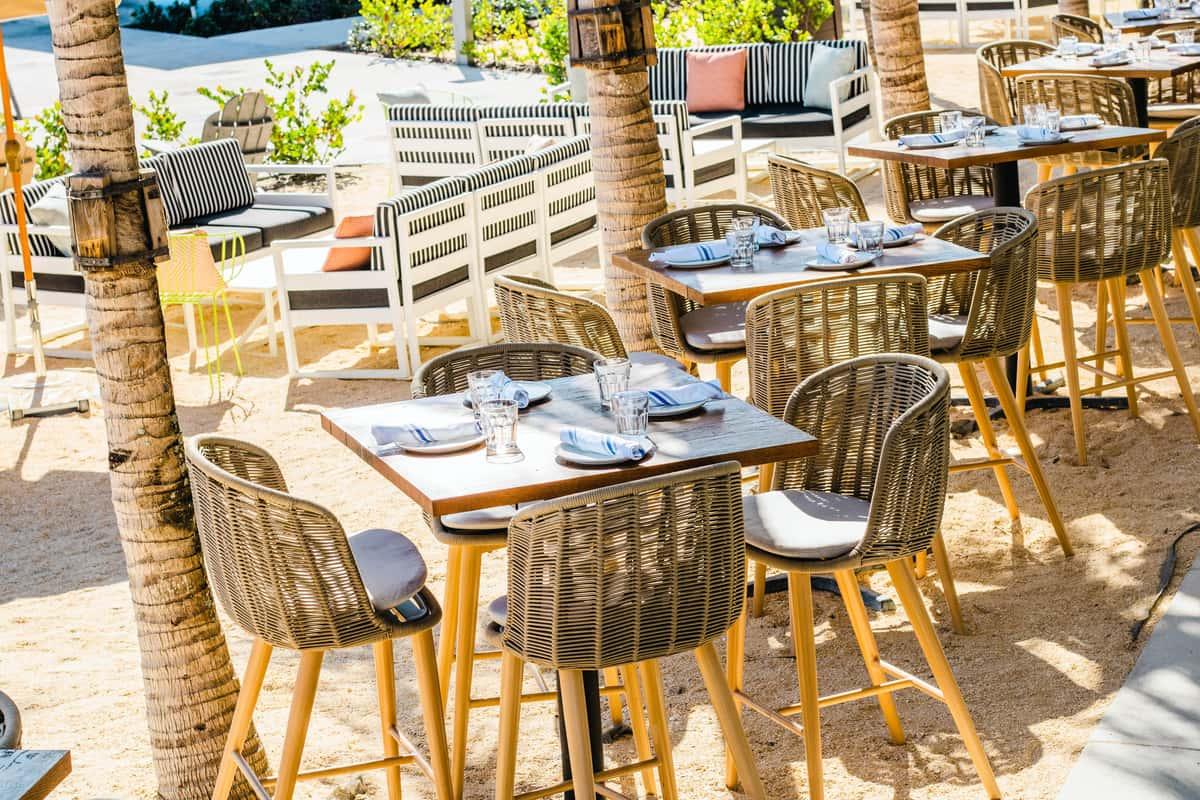
Specialty bars and brunches play the role of social anchors within a corporate conference, creating relaxed settings where attendees connect outside formal sessions. A craft cocktail bar, espresso station, or mid-morning brunch service gives the agenda a natural pause point that encourages conversation.
For larger or multi-day events held at outdoor or semi-outdoor venues, beverage tents and food service areas require advance planning. The National Park Service's event planning guide, for example, requires that site plans display all food tents, beverage tents, and related structures at least sixty days before the first installation day. Even when your venue handles logistics internally, building dedicated beverage and brunch zones into your floor plan ensures smooth service flow and crowd management.
With catering strategy in place, entertainment and team-building activities round out the attendee experience.
How Do You Incorporate Entertainment and Team-Building Activities?
You incorporate entertainment and team-building activities by selecting structured experiences that align with your conference objectives and audience profile. The subsections below cover live entertainment selection and unique experiential programming.
Why Should You Include Live Entertainment or Music?
Live entertainment or music should be included because it creates shared moments that energize attendees between structured sessions. A well-timed live band performance during a reception or dinner breaks the monotony of back-to-back presentations, giving participants a natural reset point. Music also sets an emotional tone that reinforces event branding; a jazz ensemble at a waterfront venue, for instance, signals sophistication while encouraging relaxed conversation. When choosing performers, match the genre and volume level to your audience demographics and the event's formality. For corporate conferences, acoustic or small-ensemble acts work well because they allow networking without competing for attention.

How Can Unique Experiences Elevate a Corporate Event?
Unique experiences can elevate a corporate event by creating memorable touchpoints that standard presentations cannot deliver. According to a 2016 meta-analysis published in PLOS ONE covering 72 unique interventions and 8,439 participants, structured teamwork interventions produced positive, significant, medium-sized effects on both teamwork outcomes and team performance. However, not every recreational activity produces these results; the evidence describes structured interventions specifically, and research quality varies across studies.
Effective experiential formats for corporate groups include:
- Collaborative problem-solving challenges tied to company goals
- Guided culinary or mixology workshops that encourage cross-department interaction
- Waterfront activities that leverage an outdoor venue setting
The key distinction is intentional design. A team-building activity that connects back to conference themes reinforces learning, while a generic icebreaker risks feeling like filler. Prioritize experiences that give attendees something to discuss long after the event ends.
With entertainment and team-building programming set, branding and conference materials complete the attendee experience.
What Are the Best Practices for Branding and Conference Materials?
The best practices for branding and conference materials center on visual consistency, strategic signage placement, and preparing both digital and print assets well before the event. According to AVIXA, industry-recognized standards in professional AV define best practices that extend to branded visual displays and conference production quality.

How Can Signage and Branded Materials Enhance the Experience?
Signage and branded materials enhance the experience by reinforcing corporate identity at every attendee touchpoint, from arrival through departure. Consistent logos, color palettes, and messaging across banners, directional signs, and stage backdrops create a cohesive visual environment that strengthens brand recall.
Effective conference signage serves both wayfinding and branding purposes simultaneously. Key branded touchpoints include:
- Welcome displays and registration backdrops
- Directional signage guiding attendees between sessions
- Stage banners and podium branding
- Sponsor recognition walls and digital screens
For planners working with smaller venues, even simple coordinated elements like branded name badges and table cards elevate perceived professionalism. Prioritizing quality over quantity in signage production tends to yield stronger attendee impressions than saturating a space with inconsistent materials.
What Digital and Print Materials Should Be Prepared?
The digital and print materials that should be prepared include programs, agendas, presentation decks, attendee guides, and post-event resource packets. Digital formats allow real-time updates, while printed materials provide tangible reference points during sessions.
Essential materials to prepare before event day:
- Digital event app or mobile-friendly agenda with session details
- Printed programs with speaker bios and session schedules
- Branded slide templates for all presenters
- QR codes linking to session recordings or supplemental resources
- Name badges with attendee names, titles, and company affiliations
Distributing presentation templates to speakers weeks in advance ensures visual consistency across every session. This small step often gets overlooked, yet it is one of the most effective ways to maintain a polished, unified brand presence throughout the conference.
With branding and materials finalized, compliance and safety planning protects both attendees and the event itself.
How Do You Ensure Health, Safety, and Compliance at Your Conference?
You ensure health, safety, and compliance at your conference by securing required permits and insurance, following OSHA crowd-management guidelines, and building accessibility into every planning stage. The subsections below cover permit and insurance requirements, then dietary and accessibility accommodations.
What Permits or Insurance Might Be Required?
The permits or insurance that might be required depend on your event's location, duration, and activities. According to the U.S. Department of Labor's OSHA, the Occupational Safety and Health Act of 1970 requires employers to provide a place of employment free of recognized hazards likely to cause serious injury or death, including maintaining unblocked exit routes during gatherings.
Key permit and insurance considerations for a corporate conference include:
- Miami-Dade County classifies any event lasting 45 days or less with temporary structures as a short-term event, which requires a separate permit application.
- Florida's Department of Business and Professional Regulation issues temporary alcohol permits allowing sales for up to three days per single event.
- Liability insurance and cancellation insurance are the two most common types of event insurance, as identified by the National Association of Insurance Commissioners.
- Respiratory illness prevention measures, such as frequent handwashing, surface disinfection, and staying home when sick, remain standard health precautions recommended by the Florida Department of Health.
Planners who address permits and insurance early avoid last-minute compliance gaps that could delay or cancel the event entirely.
How Can You Accommodate Dietary and Accessibility Needs?
You can accommodate dietary and accessibility needs by capturing specific requirements during registration. Registration forms should collect accommodation requests, dietary restrictions, food allergies, and interpreter or captioning needs before attendees arrive.
Essential steps for inclusive conference planning include:
- Adding required fields for food allergies aligned with the eight major allergens identified by the FDA's Food Allergen Labeling and Consumer Protection Act of 2004: milk, eggs, fish, shellfish, tree nuts, peanuts, wheat, and soybeans.
- Requesting mobility, hearing, or visual accommodation details so the venue can arrange wheelchair access, assistive listening devices, or sign language interpreters.
- Offering captioning options for presentations, which benefits attendees with hearing loss and non-native speakers alike.
- Confirming all collected needs with vendors and the venue at least two weeks before the event.
Proactive registration design is one of the most underestimated tools in conference planning; it eliminates guesswork and signals genuine respect for every attendee's experience. With compliance and accommodations addressed, post-event evaluation helps measure how well these efforts performed.
How Should You Evaluate the Success of Your Corporate Conference?
You should evaluate the success of your corporate conference by collecting structured attendee feedback and comparing measurable outcomes against your original objectives. The sections below cover essential post-event metrics and how to apply those insights to future events.
What Feedback and Metrics Should Be Collected Post-Event?
The feedback and metrics collected post-event should include both quantitative satisfaction scores and qualitative open-ended responses. According to PCMA, event ROI metrics include post-event surveys, social shares, social check-ins, social commenting, and registration data, each translating business goals into tangible outcomes.
Effective post-event surveys use clear, purposeful questions:
- Overall satisfaction rated on a defined scale (very dissatisfied to very satisfied)
- Whether the event met expectations (yes or no)
- Open-ended prompts asking what could be improved
- Likelihood of attending future events
As Harvey Mudd College's Office of Institutional Research advises, every additional question reduces completion likelihood, so only include items you plan to act on. Beyond surveys, track registration-to-attendance conversion, session participation rates, and social media engagement volume. These quantitative signals, paired with written attendee comments, give planners a complete picture of what resonated and what fell short.
How Do You Leverage Learnings for Future Conferences?
You leverage learnings for future conferences by systematically comparing collected metrics against the SMART objectives established during planning. The CDC recommends making objectives Specific, Measurable, Achievable, Relevant, and Time-bound so that evaluation questions map directly to intended outcomes.
Start by identifying patterns across feedback: which sessions scored highest, where attendees reported friction, and whether networking formats drove collaboration. Then build an improvement framework:
- Document gaps between expected and actual attendance, engagement, and satisfaction scores.
- Flag logistical pain points such as registration bottlenecks, AV issues, or scheduling conflicts.
- Prioritize changes by impact, addressing items that affect the largest share of attendees first.
- Archive survey instruments and results so future planning committees can benchmark progress.
The most overlooked step is closing the loop: sharing a summary of findings with stakeholders and speakers reinforces accountability and signals that their input shaped real changes. With evaluation data organized, the next step is selecting a venue and planning team that can execute on those improvements.
How Can You Plan a Memorable Corporate Conference at Bayshore Club Miami?
You can plan a memorable corporate conference at Bayshore Club Miami by matching the venue's waterfront setting and flexible event spaces to your group size, agenda structure, and catering needs. The following sections cover Bayshore Club's specific offerings and the essential planning takeaways.
What Event Services and Venue Features Does Bayshore Club Offer for Corporate Conferences?
Bayshore Club offers semi-private dining for 20 seated or 50 cocktail guests, along with a full venue buyout accommodating 160 seated or 250 cocktail guests in Coconut Grove. These flexible configurations suit events ranging from executive board dinners to large-scale corporate conferences.
Located on the historic Dinner Key waterfront, the venue provides a distinctive backdrop that naturally supports networking breaks and social programming. According to the University of Michigan Conference and Event Services checklist, effective venue selection begins with preparing a Request for Proposal, conducting site visits, and confirming that the space meets all logistical requirements, including capacity, catering, and AV needs.
When evaluating any corporate conference venue, planners should confirm:
- AV infrastructure and technical support availability
- Accessibility compliance, including assistive listening systems
- Catering flexibility for dietary restrictions and food safety
- Insurance or liability requirements specific to the property
Bayshore Club's waterfront location in Coconut Grove, combined with its raw bar, cocktail program, and live band entertainment, creates a setting that balances professional programming with the relaxed atmosphere corporate attendees remember. Food and beverage planning is another consideration when organizing a corporate gathering at the venue. Event organizers can explore Bayshore Club's seafood and cocktail selections to understand the restaurant's dining offerings before discussing catering arrangements. Reviewing the regular menu alongside available private-event dining options can help planners align food and beverage choices with the event format, guest preferences, and overall schedule.
What Are the Key Takeaways for Successfully Planning a Corporate Conference?
The key takeaways for successfully planning a corporate conference center on early preparation, structured agendas, intentional venue selection, and post-event measurement.
- Define SMART objectives before selecting a venue, speakers, or catering format.
- Begin planning 6 to 12 months in advance, scaling lead time to event size and speaker complexity.
- Build 5 to 10 minute breaks into every session block to sustain attendee focus.
- Capture dietary, accessibility, and accommodation needs during registration.
- Secure appropriate permits and insurance based on your venue, jurisdiction, and event activities.
- Collect post-event feedback using concise surveys that measure satisfaction, likelihood to return, and open-ended improvement suggestions.
The most successful conferences align every logistical decision, from the venue's capacity to the agenda's break structure, with the event's stated objectives. Planners who treat sustainability, accessibility, and attendee experience as planning priorities rather than afterthoughts consistently produce stronger outcomes.
For corporate groups considering Bayshore Club in Coconut Grove, the combination of scalable event spaces, waterfront surroundings, and in-house dining simplifies coordination while delivering an experience that feels anything but ordinary.