
Miami Party Planning Tips: Guide
Miami Party Planning Tips: Guide
Miami party planning is the process of organizing celebrations that leverage South Florida's tropical climate, multicultural identity, and waterfront venues to create distinctive events. It requires coordinating permits, seasonal timing, culturally inspired menus, and entertainment choices specific to the Miami-Dade market.
This guide covers Miami's event landscape and regulations, venue selection for waterfront and indoor/outdoor spaces, themes and décor trends, menu planning with local cuisine, entertainment options, event logistics, and how Bayshore Club's Coconut Grove setting fits into the process.
Miami's status as a year-round event destination creates both opportunity and competition. The dry season from November through April delivers ideal outdoor conditions, but securing venues and vendors during peak months requires early booking. Local regulations, from guest capacity limits on rural properties to special event permit fees, shape every planning timeline.
Choosing the right venue means balancing waterfront access, indoor/outdoor flexibility, and budget. Waterfront properties along Biscayne Bay command premium pricing during peak season, while hybrid venues with covered and open-air areas offer the strongest contingency planning against Miami's unpredictable summer weather.
Décor in 2025 leans maximalist, with bold tropical palettes replacing minimalism and projection mapping adding immersive visual layers. Menus built around Miami's Latin, Caribbean, and coastal culinary traditions resonate more than generic catering, especially given that the majority of Miami-Dade's population is Hispanic or Latino.
Live bands, interactive food stations, and custom cocktail experiences consistently outperform passive entertainment formats. Pairing these elements with proactive logistics (rideshare coordination, parking plans, and pre-event guest communication) keeps the focus on celebration rather than confusion.
Why Is Miami a Top Destination for Party Planning?
Miami is a top destination for party planning because of its year-round warm climate, vibrant cultural scene, and world-class venue options. Below, explore the design trends shaping Miami events and the local regulations every planner needs to navigate.
What Unique Miami Trends Should You Know for Parties?
Unique Miami trends you should know for parties include bold, tropical-inspired design palettes and immersive technology experiences. In 2025, Miami event design is moving away from minimalism toward vibrant color palettes featuring hues like fuchsia, emerald, cobalt, and citrus tones, according to Micú Design. Projection mapping has also gained momentum; a single immersive screen can display animated monograms, live camera feeds, or backdrop loops that shift the mood throughout the evening without heavy set changes. These trends reward planners who lean into Miami's maximalist energy rather than playing it safe with neutral tones. Pairing bold color choices with interactive visual technology creates a layered atmosphere that feels distinctly Miami.
How Do Local Regulations Impact Miami Event Planning?
Local regulations impact Miami event planning by requiring specific permits, guest caps, and parking ratios that vary by venue type and event size. Ignoring even one requirement can delay or shut down an event, so building permit timelines into the planning process is essential.
Key regulations to know include:
- Rural event venues on properties under 10 gross acres are limited to 150 guests; properties of 10 acres or more can host up to 300 guests.
- Venues must provide one parking space for every four guests, with no parking allowed on road rights-of-way.
- A Certificate of Use is required for events generating revenue from ticket sales, registration fees, or retail sales of merchandise, food, and drinks.
- Tents 10 x 12 or smaller do not require short-term event building permits, unless used for selling items like fireworks.
- The City of Miami charges $250 for special event permits with up to 1,000 attendees and $500 for larger events.
- Miami Beach beach-use permits range from roughly $500 to $3,000 or more depending on scale and location.
Timing matters just as much as permits. November through April is Miami's dry season, with 75 to 85°F days and minimal rain, making it the ideal outdoor event window. However, January is the most competitive month for venues and vendors due to tourist high season overlap. For planners working within a budget, shifting events to February or March often secures better vendor availability without sacrificing weather conditions.
Understanding these regulations early prevents costly last-minute surprises and keeps the focus on creating a memorable experience.
How Can You Choose the Perfect Miami Party Venue?
You can choose the perfect Miami party venue by evaluating waterfront access, indoor and outdoor flexibility, guest capacity, and budget alignment. The following sections cover waterfront venue selection criteria and how to compare indoor versus outdoor event spaces.
What Should You Consider When Selecting a Waterfront Venue in Miami?
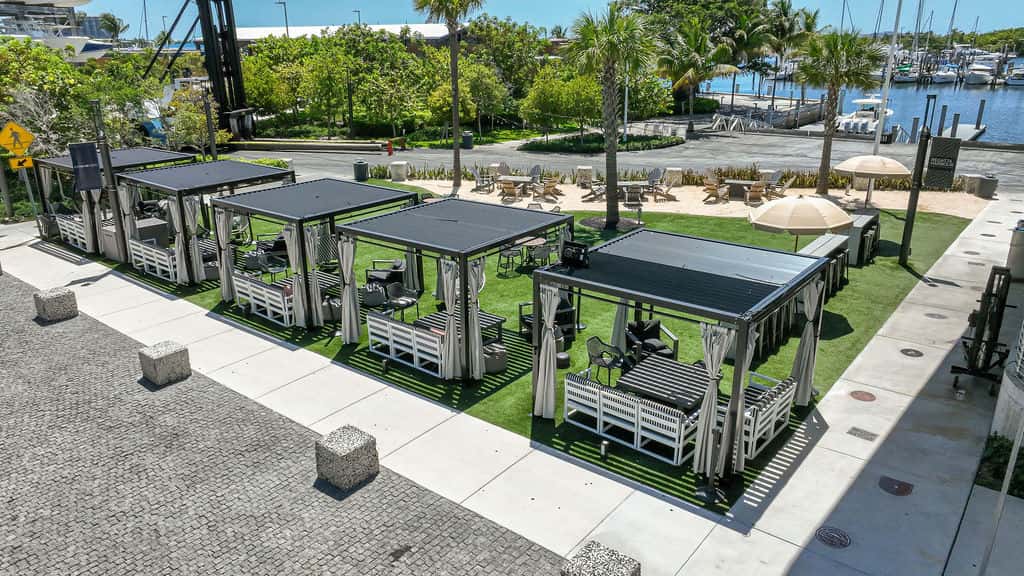
You should consider guest capacity, catering costs, waterfront accessibility, and weather contingency plans when selecting a waterfront venue in Miami. Venues along Biscayne Bay and Coconut Grove offer scenic backdrops, but pricing varies widely based on location and included services.
Budget planning is critical. According to Zola, the average national cost for wedding venues in 2026 is $8,573, with catering adding another $6,927. Waterfront properties in Miami often exceed these averages during peak season. Key factors to evaluate include:
- Whether the venue provides in-house catering or requires outside vendors
- Dock access and waterfront seating capacity
- Backup indoor space for sudden rain or wind
- Parking availability and proximity to major roads
For most planners, locking in a waterfront venue at least four to six months ahead prevents last-minute premium surcharges during Miami's competitive booking windows.
How Do You Evaluate Indoor vs. Outdoor Event Spaces in Miami?
You evaluate indoor vs. outdoor event spaces in Miami by weighing weather reliability, noise regulations, guest comfort, and operational hours. Outdoor venues deliver Miami's signature atmosphere, while indoor spaces provide climate control and fewer permitting restrictions.
According to Miami-Dade County Regulatory and Economic Resources, rural event venues are permitted to operate only from 9 a.m. to 11 p.m., with no outdoor amplified sound, entertainment, alcohol, or food service allowed between 11 p.m. and 9 a.m. These restrictions directly shape event timelines for outdoor celebrations.
Consider these factors when comparing options:
- Weather exposure: Outdoor spaces require tent rentals or covered alternatives during summer months
- Sound restrictions: Indoor venues bypass most noise ordinances, allowing later entertainment
- Guest comfort: Air conditioning becomes essential for events between May and October
- Flexibility: Hybrid venues with both indoor and outdoor areas offer the strongest contingency planning
A venue that seamlessly blends both settings gives planners the most control over guest experience regardless of conditions. With the right venue secured, themed decor and design choices bring the celebration to life.
What Are Essential Miami Party Themes and Decor Ideas?
Essential Miami party themes and decor ideas blend tropical aesthetics, bold color palettes, and cultural influences unique to South Florida. The following sections cover trending decor styles and ways to weave local culture into your celebration.
What Trendy Décor Styles Are Popular for Miami Parties?
Trendy décor styles popular for Miami parties in 2025 center on vibrant, maximalist designs that reflect the city's energy. According to Micú Design, Miami event design trends are moving away from minimalism toward tropical-inspired hues like fuchsia, emerald, cobalt, and citrus tones. Popular styles include:
- Bold tropical palettes using saturated colors drawn from Miami's natural landscape.
- Lush greenery installations featuring monstera, palm fronds, and orchid arrangements.
- Art Deco accents inspired by Miami Beach's iconic architectural heritage.
- Neon signage and LED lighting that create an energetic, nightlife-driven atmosphere.
- Textured layering with rattan, terrazzo, and natural stone elements.
For waterfront settings like those in Coconut Grove, décor that complements ocean views rather than competing with them tends to leave the strongest impression.
How Can You Incorporate Local Culture Into Your Party Theme?
You can incorporate local culture into your party theme by drawing on Miami's diverse heritage, culinary traditions, and artistic identity. Miami-Dade County's population is 69.1% Hispanic or Latino, according to the Miami-Dade Beacon Council, and that cultural richness offers endless creative direction.
Effective cultural touches include:
- Latin-inspired music and dance such as salsa, reggaeton, or bossa nova performed by live bands.
- Cuban and Caribbean culinary elements woven into cocktail menus and food stations.
- Wynwood-style murals or graffiti art backdrops that channel Miami's street art scene.
- Havana nights or tropical carnival themes with guayabera-clad servers and hand-rolled cigar stations.
Coconut Grove's own bohemian, waterfront character provides a natural foundation for themes that feel authentically Miami rather than generic. With themes and décor established, building a menu that matches the vision completes the experience.
How Do You Plan a Miami Party Menu That Impresses Guests?
You plan a Miami party menu that impresses guests by combining locally inspired cuisine, tropical cocktails, and thoughtful dietary accommodations. The following sections cover signature food and drink selections and strategies for addressing dietary restrictions.
What Miami-Inspired Food and Drink Options Should You Include?
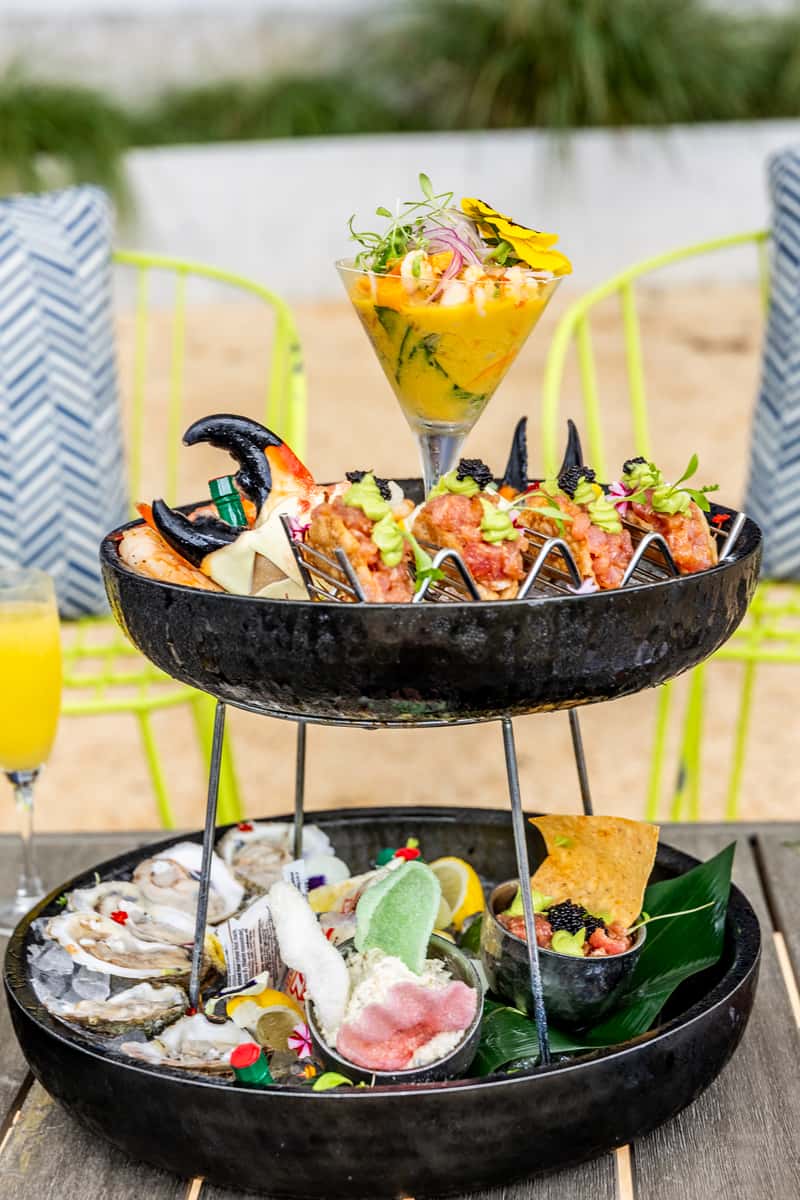
Miami-inspired food and drink options should include dishes rooted in the city's Latin, Caribbean, and coastal culinary traditions. Fresh seafood, ceviche, Cuban-style pork, and tropical fruit platters anchor an authentic Miami spread. For drinks, build a cocktail menu around mojitos, passionfruit margaritas, coconut rum punches, and fresh sugarcane-based spirits that reflect South Florida's flavor profile.
A raw bar featuring oysters, stone crab claws, and shrimp cocktail adds a refined coastal touch that guests associate with waterfront Miami dining. Bayshore Club in Coconut Grove features a curated raw bar with fresh seafood delicacies, providing the authentic waterfront dining experience that anchors memorable Miami celebrations. According to IBISWorld, the U.S. Party & Event Planners industry has grown at a 6.7% CAGR between 2021 and 2026, reflecting rising expectations for memorable, curated food experiences at events. Leaning into Miami's multicultural identity through food is one of the simplest ways to make a party feel genuinely local rather than generic.
How Can Dietary Restrictions Be Addressed in Miami Party Catering?
Dietary restrictions can be addressed in Miami party catering by building the menu around naturally inclusive dishes and communicating options clearly. Miami's culinary landscape lends itself well to accommodations because many traditional dishes are inherently adaptable.
Effective strategies include:
- Offering grilled seafood and lean proteins that suit gluten-free and keto diets.
- Featuring plantain-based sides and rice dishes as naturally gluten-free starch alternatives.
- Including tropical fruit displays, vegetable ceviches, and grain bowls for plant-based guests.
- Labeling every dish clearly with common allergen information at the buffet or station.
- Asking guests about dietary needs on the RSVP to give caterers adequate preparation time.
Working with a caterer experienced in Miami's diverse food culture simplifies this process, since many local kitchens already prepare dishes across multiple dietary categories daily. With the menu locked in, entertainment choices become the next element that shapes the overall party experience.
What Entertainment Options Are Trending for Miami Parties?
The entertainment options trending for Miami parties include live bands, solo performers, and interactive guest experiences. The sections below cover popular performers in the Miami scene and hands-on activities that keep guests engaged.
Which DJs, Bands, or Performers Are Popular in the Miami Scene?
The DJs, bands, and performers popular in the Miami scene span Latin fusion groups, jazz ensembles, reggaeton artists, and soca bands that reflect the city's multicultural energy. Live bands remain one of the most sought-after entertainment choices for private events. According to Thumbtack, the average price quote to hire a live band in Miami Beach is $300 per hour. Latin-influenced acts tend to resonate especially well, given that the majority of Miami-Dade residents are Hispanic or Latino. For waterfront venues like Bayshore Club in Coconut Grove, live bands create an atmosphere that complements the historic Dinner Key setting without overwhelming the natural ambiance. Steel drum soloists and Afro-Cuban percussionists also create an atmosphere without overwhelming conversation. For planners weighing cost against impact, a skilled live band consistently generates more crowd energy than a pre-built playlist.
What Interactive Experiences Can Enhance Your Miami Party?
Interactive experiences that can enhance your Miami party include photo activations, mixology stations, and hands-on food experiences. Custom cocktail bars where guests build their own drinks add a participatory element that sparks conversation. Cigar rolling stations and live art installations also perform well at waterfront gatherings, giving attendees something memorable beyond music and food. Themed photo booths with digital sharing capabilities encourage social media engagement, extending the event's reach organically. For seafood-focused celebrations, raw bar demonstrations let guests watch skilled preparation up close. The most effective interactive elements give people something to do with their hands, not just something to watch.
With entertainment and activities locked in, logistics and guest flow become the next priority.
How Should You Handle Logistics and Guest Experience for Miami Events?
You should handle logistics and guest experience for Miami events by planning transportation, parking, and guest flow well in advance. The sections below cover parking strategies and how to create a smooth experience from arrival to departure.
What Are the Best Transportation and Parking Tips for Miami Parties?
The best transportation and parking tips for Miami parties include arranging rideshare coordination, valet services, and clear directional signage before the event date. Miami's traffic congestion, particularly in areas like Coconut Grove and Miami Beach, makes proactive planning essential.
Key transportation and parking strategies include:
- Designating a rideshare drop-off zone with visible markers so drivers can locate the venue quickly.
- Hiring a valet service for formal events where street parking is limited.
- Sharing a parking map or digital directions with guests 48 hours before the event.
- Booking shuttles for large parties to reduce individual vehicle congestion.
Choosing a venue with dedicated parking simplifies logistics considerably. For waterfront locations, where surrounding streets can fill up fast during peak season, confirmed parking access is one of the most overlooked factors that directly shapes first impressions.
How Can You Create a Seamless Guest Experience from Arrival to Departure?
You can create a seamless guest experience from arrival to departure by coordinating every touchpoint: welcome signage, check-in flow, service timing, and a clear exit plan. According to a 2024 report by M Group Compass, the typical booking lead time for short-term rentals in Miami averages about 36 days, though guests attending major events book months ahead. This means accommodations and logistics planning should start early, not days before.
Practical steps for a seamless experience include:
- Sending a pre-event communication with venue address, parking details, dress code, and timeline.
- Stationing a greeter at the entrance to direct guests immediately upon arrival.
- Coordinating food and beverage service to avoid long gaps between courses or empty bars.
- Planning a defined end-of-event sequence with clear last-call timing and transportation reminders.
Every transition, from arrival through dining to departure, should feel intentional rather than improvised. With careful coordination, Bayshore Club's waterfront setting in Coconut Grove becomes the ideal backdrop for events where logistics enhance rather than interrupt the celebration.
How Should You Approach Miami Party Planning with Bayshore Club's Waterfront Dining Experience?
You should approach Miami party planning with Bayshore Club's waterfront dining experience by combining Coconut Grove's historic waterfront setting with all-day dining, a dedicated raw bar, and live band entertainment.
Can Bayshore Club's All-Day Dining and Raw Bar Elevate Your Miami Party?
Yes, Bayshore Club's all-day dining and raw bar can elevate your Miami party by providing fresh seafood and waterfront views at the historic Dinner Key site in Coconut Grove. The all-day menu gives hosts flexibility to plan brunches, afternoon gatherings, or evening celebrations without rigid time constraints. Bayshore Club's raw bar features a curated selection of seafood delicacies, offering guests a signature culinary experience that reflects Miami's coastal identity. Live bands, rather than recorded music, add atmosphere that complements the waterfront setting. For hosts planning around Miami's diverse population, where over 54% of Miami-Dade residents were born outside the United States according to the Miami-Dade Beacon Council, Bayshore Club's menu accommodates a range of cultural palates. The venue's happy hour, available from 4 PM to 6 PM, also provides an accessible starting point for cocktail-style party formats.
What Are the Key Takeaways About Miami Party Planning Tips?
The key takeaways about Miami party planning tips center on five practical priorities:
- Book early and plan for seasonality. Miami's dry season from November through April offers ideal outdoor conditions, but January is the most competitive month for venues and vendors.
- Understand local regulations before committing. Permits, noise ordinances, guest capacity limits, and parking requirements vary by venue type and location across Miami-Dade County.
- Match your venue to your guest experience goals. Waterfront locations like Bayshore Club in Coconut Grove deliver built-in ambiance that reduces the need for heavy decor investments.
- Prioritize culturally inclusive menus. Miami's multicultural population responds well to diverse food and drink options that reflect the city's Latin, Caribbean, and coastal influences.
- Layer entertainment thoughtfully. Live music, interactive experiences, and immersive design elements create more memorable events than any single feature alone.
Choosing a venue that handles dining, drinks, and atmosphere under one roof simplifies logistics considerably. Bayshore Club brings together waterfront dining, a raw bar, live bands, and Coconut Grove's historic charm to streamline that process.