
Planning a Family Gathering in Miami: Guide
Planning a Family Gathering in Miami: Guide
Planning a family gathering in Miami is the process of coordinating venue selection, budgeting, activities, and multigenerational logistics to create a reunion that works for every age group in one of the country's most popular travel destinations.
This guide covers Miami's strengths as a gathering destination, venue types and budgeting, family-friendly activities and local history, vendor selection and logistics, and building a stress-free itinerary.
Miami's warm dry season from November through April offers the most reliable weather for outdoor celebrations, though the city's record-setting visitor numbers mean venues and vendors fill quickly during peak months. Families planning for 2026 should begin securing dates six to nine months ahead.
Venue options range from indoor banquet halls to waterfront restaurants and hybrid spaces, each carrying different cost structures and permitting requirements. South Florida catering alone runs from $50 to $110 per person depending on format, making early budget planning essential.
The city's cultural institutions, outdoor parks, and deep historical roots (spanning over 10,000 years of recorded habitation) give families meaningful shared experiences beyond a single dinner. Pairing attractions like museum visits or walking tours with waterfront meals creates natural rhythm across reunion days.
Choosing the right caterers, photographers, and transportation providers requires vetting for family-event experience and local familiarity, particularly in areas like Coconut Grove. A structured itinerary with morning activities, afternoon free time, and evening group dinners keeps multigenerational groups engaged without rigidity.
What Makes Miami an Ideal Destination for Family Gatherings?
Miami is an ideal destination for family gatherings because of its year-round warm weather, cultural richness, and world-class venues. The sections below cover the best timing for your event and how Miami's climate shapes every planning decision.
What Are the Best Times of Year to Host a Family Gathering in Miami?
The best times of year to host a family gathering in Miami are November through April, when temperatures are warm, humidity is lower, and rainfall is minimal. This dry season offers the most predictable weather for outdoor celebrations along the waterfront.
Booking during these months does require advance planning. According to the Greater Miami Convention & Visitors Bureau, Miami-Dade County attracted over 28 million visitors in 2024, the highest single-year total ever recorded. That volume means venues, caterers, and accommodations fill quickly during peak season. Families planning for 2026 should lock in dates at least six to nine months ahead to secure preferred locations.
Spring and early fall shoulder seasons can also work well, offering slightly lower demand while still delivering comfortable conditions. For most multigenerational groups, though, the winter dry season remains the safest bet for reliable weather and stress-free logistics. Waterfront venues like Bayshore Club in Coconut Grove benefit particularly from dry-season planning, as their Biscayne Bay location offers open-air dining that showcases Miami's comfortable winter weather.
How Does Miami's Climate Influence Family Event Planning?
Miami's climate influences family event planning by requiring a strategy for heat, humidity, and seasonal rain. The city has a tropical monsoon climate with a rainy season running from May 15 through October 15, when highs reach the mid-80s to mid-90s°F and afternoon thunderstorms are common.
This seasonal pattern makes contingency planning essential for any outdoor gathering. Experienced event planners rely on proven techniques, including detailed run sheets, early supplier confirmations, and consistent check-ins, to minimize weather-related disruptions, according to Pink Caviar Events. Practical preparations include:
- Selecting venues with covered or indoor backup spaces.
- Scheduling outdoor activities for morning hours before afternoon storms develop.
- Providing shaded seating areas and hydration stations for elderly relatives and young children.
- Confirming vendor rain policies and tent permits well before the event date.
Even during the dry season, Miami's warmth calls for lightweight dress codes and climate-controlled gathering spaces. Factoring the climate into every decision, from menu choices to activity timing, keeps guests comfortable across all age groups.
Understanding Miami's seasonal rhythms sets the foundation for choosing the right venue type.
What Types of Family Gathering Venues Are Available in Miami?
The types of family gathering venues available in Miami include indoor banquet halls, outdoor garden spaces, waterfront restaurants, and hybrid indoor-outdoor locations. The sections below cover how to choose between indoor and outdoor settings and what to consider when selecting a waterfront venue.
How Can You Choose Between Indoor and Outdoor Event Spaces?
You can choose between indoor and outdoor event spaces by evaluating four key factors:
- Guest count and comfort. Indoor spaces provide climate control for elderly relatives and young children, while outdoor venues suit larger groups who prefer open-air settings.
- Season and weather risk. Miami's rainy season runs from mid-May through mid-October, making indoor or covered venues safer during summer months. Dry-season events between November and April benefit most from outdoor layouts.
- Budget impact on catering. According to Chef Pablo Event Catering, cocktail-style events with passed bites and grazing displays in South Florida cost between $50 and $80 per person. Outdoor setups may add costs for tent rentals and portable cooling.
- Atmosphere and flexibility. Outdoor spaces create a relaxed, vacation-like feel ideal for multigenerational families, whereas indoor venues offer reliable acoustics and lighting control.
For most family gatherings, a venue that blends both options gives you the best contingency plan against unpredictable weather.
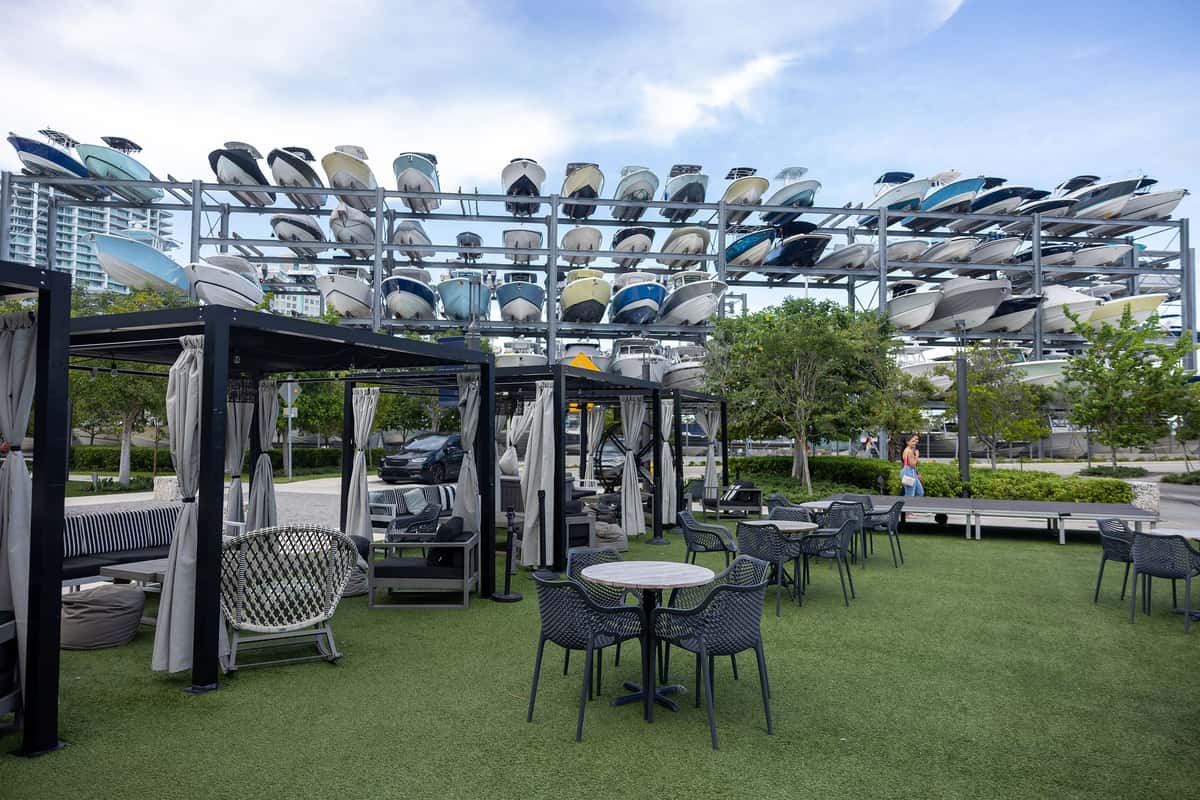
What Are Key Considerations for Waterfront Venues in Miami?
The key considerations for waterfront venues in Miami are wind exposure, tidal scheduling, noise ordinances, and accessibility for all ages. Waterfront locations along Biscayne Bay or the Miami coastline offer stunning backdrops, but they require extra planning.
- Wind and sun protection. Waterfront settings amplify wind and direct sun, so covered seating areas or shaded pavilions are essential for guest comfort.
- Noise regulations. Many waterfront zones in Miami enforce evening noise limits that affect live music and amplified sound; confirm local ordinances before booking entertainment.
- ADA and mobility access. Docks, uneven walkways, and sandy surfaces can pose challenges for elderly guests or those with mobility needs. Prioritize venues with paved paths and level entry points.
- Permitting requirements. The City of Miami requires general liability insurance with $1,000,000 per occurrence coverage for events under 3,000 participants, a detail often overlooked when booking outdoor waterfront spaces.
Waterfront venues reward the extra preparation with an atmosphere no ballroom can replicate, particularly for families gathering from different cities who want a memorable Miami setting. Bayshore Club in Coconut Grove offers a waterfront setting on the historic Dinner Key site with flexible dining options suited to multigenerational gatherings, combining the area's aviation heritage with views of Biscayne Bay. With venue type decided, the next step is building a realistic budget.
How Should You Budget for a Family Gathering in Miami?
You should budget for a family gathering in Miami by accounting for venue rental, catering, entertainment, décor, and incidental costs. The sections below break down typical expenses and practical ways to reduce spending without sacrificing quality.
What Are Typical Costs Involved in Hosting a Family Event?
The typical costs involved in hosting a family event include venue fees, catering, entertainment, décor, rentals, and event insurance. Catering usually represents the largest single line item. According to Chef Pablo Event Catering, buffet-style catering in South Florida typically ranges from $75 to $110 per person, covering multiple entrée options, sides, salad, bread, dessert, and full staffing.
Other major expense categories include:
- Venue rental: Waterfront locations and private dining spaces in Miami carry premium rates, especially during peak season.
- Entertainment: Live bands, children's activities, and audiovisual equipment add costs that vary widely by scope.
- Décor and rentals: Tables, linens, floral arrangements, and lighting can account for 10 to 15 percent of the total budget.
- Event insurance: The City of Miami requires liability coverage for gatherings held on public or permitted sites.
Building a detailed line-item budget early prevents surprises. For most Miami family events, catering and venue together consume roughly 60 to 70 percent of the total spend, so locking those numbers first gives you a reliable framework for everything else.
How Can You Save Money While Still Creating a Memorable Experience?
You can save money while still creating a memorable experience by prioritizing high-impact elements and trimming areas guests rarely notice. Choosing a cocktail-style format with passed bites instead of a full buffet, for instance, can lower per-person catering costs significantly.
Practical cost-saving strategies include:
- Book during shoulder season: Late October through mid-December offers pleasant Miami weather with lower venue and travel rates.
- Consolidate vendors: Venues that include in-house catering, setup, and coordination reduce the number of separate contracts.
- Reuse event elements: Invest in quality décor pieces, signage, or custom items that can serve future family gatherings.
- Limit the bar scope: A curated cocktail menu with select wines and beer costs less than a full open bar.
- Assign family contributions: Delegate tasks like photography, playlists, or dessert preparation to willing relatives.
The most overlooked savings come from forward planning. Starting the process six to nine months ahead unlocks early-booking discounts and prevents last-minute rush fees that inflate every vendor category.
With a clear budget framework established, exploring Miami's family-friendly activities helps you decide where those dollars create the most lasting memories.
What Are the Top Family-Friendly Activities and Attractions in Miami?
The top family-friendly activities and attractions in Miami span cultural institutions, outdoor adventures, and entertainment venues suited to all ages. The sections below cover the best options for families and ways to weave local history into your gathering.
What Cultural, Outdoor, and Entertainment Options Are Best for Families?
The cultural, outdoor, and entertainment options best for families in Miami include a wide range of experiences across the city:
- Cultural attractions: Pérez Art Museum Miami (PAMM), Phillip and Patricia Frost Museum of Science, and Miami Children's Museum offer interactive exhibits for all ages.
- Outdoor activities: Biscayne Bay kayaking, Matheson Hammock Park, and Crandon Park provide beaches, nature trails, and picnic areas ideal for multigenerational groups.
- Entertainment venues: Jungle Island, Zoo Miami, and the Miami Seaquarium combine animal encounters with live shows that engage children and adults alike.
According to the Greater Miami Convention & Visitors Bureau, Miami-Dade County attracted over 28 million visitors in 2024, the highest number ever recorded in a single year. That volume reflects just how much the region offers. Families planning a gathering should book popular attractions early, especially during peak travel months, to secure group rates and avoid long waits.
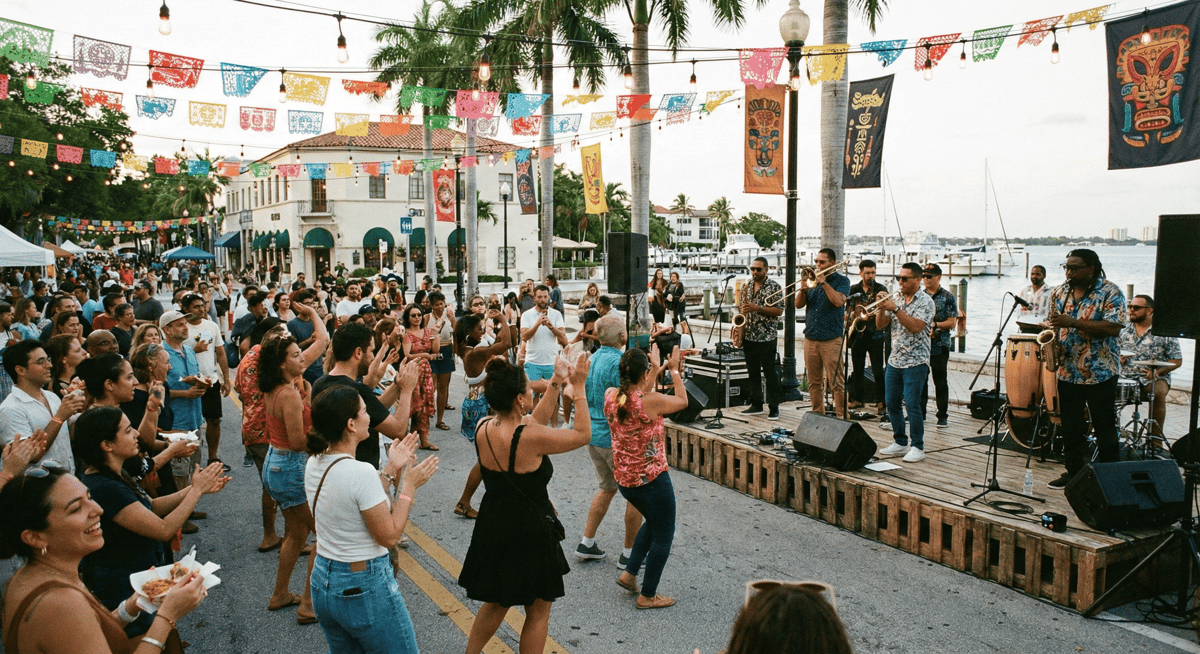
How Can You Include Local History and Experiences in Your Event?
You can include local history and experiences in your event by building activities around Miami's deep cultural heritage. According to the Greater Miami Convention & Visitors Bureau, the first inhabitants of Miami were Paleo-Indians who discovered the area over 10,000 years ago, followed by the Tequesta people who thrived along the Miami River for nearly 2,000 years.
Consider incorporating these historical touchpoints:
- Dinner Key and early aviation: Coconut Grove's waterfront served as a base for Pan American World Airways' Clipper planes in the 1930s and 40s, with the original Art Deco terminal now standing as Miami City Hall.
- The Ancient Spanish Monastery: This North Miami Beach landmark was constructed in Spain in 1133 A.D., later purchased by William Randolph Hearst in 1925, and shipped to the United States for reassembly.
- Little Havana walking tours: Guided walks through Calle Ocho introduce families to Cuban-American culture through food, art, and storytelling.
Weaving these experiences into a gathering itinerary gives guests shared memories rooted in place. For families coordinating group activities, pairing a historical outing with a waterfront meal creates a natural rhythm between exploration and relaxation.
With activities and attractions planned, coordinating the right local vendors keeps every detail running smoothly.
What Local Services and Vendors Can Help Make Your Gathering Successful?
Local services and vendors in Miami that can help make your gathering successful include caterers, photographers, entertainment providers, transportation companies, and accommodation partners. The sections below cover how to select each one.
How Should You Choose Caterers, Photographers, and Entertainment Providers?
You should choose caterers, photographers, and entertainment providers by evaluating their experience with family events, reviewing portfolios, and confirming availability well in advance. For catering, South Florida offers a range of formats. According to Chef Pablo Event Catering, cocktail-style events with passed bites typically cost between $50 and $80 per person, while buffet-style service ranges from $75 to $110 per person.
When vetting photographers, request full gallery samples from similar gatherings rather than curated highlight reels. For entertainment, Miami's live music scene provides options suited to multigenerational crowds, from acoustic ensembles to Latin jazz bands. Confirm vendor references, insurance coverage, and cancellation policies before signing any contract. Prioritizing vendors who have worked events in Coconut Grove or along the waterfront ensures they understand the local logistics.
What Transportation and Accommodation Tips Should You Know?
The transportation and accommodation tips you should know center on booking early and grouping logistics by guest needs. Miami's popularity as a destination means hotels and rental properties fill quickly, particularly during peak season from November through April. Securing a room block at hotels near Coconut Grove gives out-of-town relatives a convenient home base close to the gathering.
For transportation, rideshare services operate widely across Miami-Dade County, but chartering a shuttle or van for larger groups simplifies coordination and keeps everyone on schedule. Designate a point person to share parking details, pickup times, and local transit options with all attendees ahead of the event. Thoughtful logistical planning removes friction so families can focus on the reunion itself.
With vendors and logistics arranged, building a structured itinerary keeps every detail on track.
How Do You Plan a Stress-Free Family Reunion Itinerary in Miami?
You plan a stress-free family reunion itinerary in Miami by building structured systems for meals, activities, and downtime while remaining flexible enough for multigenerational needs. The following subsections cover organizing your schedule and accommodating every age group.
What Steps Should You Take to Organize Meals, Activities, and Free Time?
The steps you should take to organize meals, activities, and free time include creating a detailed run sheet, confirming vendors early, and scheduling buffer periods between events. According to Pink Caviar Events, experienced event planners understand that stress management relies on proven techniques such as detailed run sheets, early supplier confirmations, and consistent check-ins.
A practical approach breaks each reunion day into three blocks:
- Morning block: Schedule a group breakfast or brunch at a single location, then assign one organized activity such as a guided cultural tour or waterfront outing.
- Afternoon block: Designate two to three hours of unstructured free time so families can explore Miami independently or simply rest.
- Evening block: Reserve a group dinner at a venue that handles logistics like seating, service, and dietary needs.
Confirming meal reservations and activity bookings at least four to six weeks in advance prevents last-minute scrambling. Building 30-minute cushions between transitions gives families with young children or older relatives breathing room without derailing the schedule.
How Can You Accommodate Different Age Groups and Interests?
You can accommodate different age groups and interests by selecting activities with broad appeal and layering optional add-ons for specific groups. According to Pew Research Center, 59.7 million U.S. residents lived in multigenerational households as of March 2021, underscoring how common it is for family gatherings to span toddlers through grandparents.
Effective multigenerational planning pairs shared experiences with breakout options:
- Young children: Choose venues with shaded outdoor spaces, kid-friendly menus, and room to move.
- Teenagers: Include options like water sports, interactive cultural sites, or photography-friendly Miami landmarks.
- Adults: Plan waterfront dining, historical walking tours, or relaxed happy hour gatherings.
- Seniors: Prioritize accessible venues with comfortable seating, climate-controlled spaces, and minimal walking distances.
Offering one anchor activity per day that works across ages, then letting smaller groups peel off for niche interests, keeps everyone engaged without forcing a rigid group schedule. This balanced approach sets the stage for choosing a venue that naturally supports multigenerational comfort.
How Should You Approach Planning Your Miami Family Gathering at Bayshore Club?
You should approach planning your Miami family gathering at Bayshore Club by combining early coordination with the venue's waterfront setting and historic atmosphere. The following sections cover how Bayshore Club enhances family events and the key takeaways for your 2026 gathering.
Can Bayshore Club's Waterfront Dining and Unique Atmosphere Enhance Your 2026 Family Event?
Yes, Bayshore Club's waterfront dining and unique atmosphere can enhance your 2026 family event. Bayshore Club sits on the historic Dinner Key site in Coconut Grove, where Pan American World Airways operated its iconic Clipper planes during the 1930s and 1940s. That aviation heritage gives the venue a story guests naturally connect with, turning a standard family dinner into something more memorable.
The waterfront location along Biscayne Bay provides open sightlines and natural light that indoor-only venues cannot replicate. Bayshore Club offers an all-day menu, brunch, happy hour from 4 PM to 6 PM, and a raw bar featuring fresh seafood. Live bands add energy without overwhelming conversation, which matters when grandparents and young children share the same table. For families seeking a "vacation state-of-mind" without leaving Miami, few settings deliver that feeling as effortlessly as this Coconut Grove waterfront.

What Are the Key Takeaways About Planning a Family Gathering in Miami?
The key takeaways about planning a family gathering in Miami center on timing, budgeting, venue selection, and multigenerational coordination.
- Book early and plan around the weather. Miami's rainy season runs from May 15 through October 15, so scheduling during the drier winter months reduces weather-related disruptions.
- Set a realistic per-person budget. South Florida catering costs range from $50 to $110 per person depending on service style, and locking in vendors early prevents last-minute price increases.
- Choose a venue that fits all ages. Waterfront locations with flexible dining options, like Bayshore Club in Coconut Grove, accommodate large groups without sacrificing atmosphere.
- Build flexibility into your itinerary. Balancing structured meals and activities with unscheduled free time keeps every generation engaged without creating burnout.
Prioritizing these fundamentals early transforms logistics from a source of stress into a framework that lets your family focus on the gathering itself.