
Tips for Hosting a Networking Event: Guide
Tips for Hosting a Networking Event: Guide
Hosting a successful networking event is the process of designing a structured gathering where professionals form meaningful connections through intentional planning, strategic guest curation, and purposeful follow-up.
This guide covers goal setting and success measurement, venue selection and guest strategy, event programming and catering, host etiquette and technology integration, and post-event follow-up.
Clear goals anchor every planning decision, from choosing a lead-generation format to tracking metrics like RSVP-to-attendance ratios and 30-day follow-up conversion rates.
Venue location and amenities directly shape turnout and conversation quality; waterfront settings with flexible layouts and natural backdrops put guests at ease while reducing production costs.
A targeted guest list paired with personalized invitations consistently outperforms large, unfocused outreach, and a timeline weighted toward 60–70% open mingling keeps energy focused on relationship building.
Menu formats designed for one-handed eating keep attendees mobile, while inclusive dietary options signal professionalism in diverse cities like Miami.
Warm greetings, facilitated introductions, and proactive climate management (particularly important during South Florida's high-humidity months) ensure guests stay physically comfortable and socially engaged throughout the evening.
Digital registration tools, live social content, and post-event attendee directories extend the value of a single evening into sustained professional relationships, especially when paired with personalized thank-you outreach within 48 hours.
Why Is Setting Clear Goals Important When Planning a Networking Event?
Setting clear goals is important when planning a networking event because goals shape every decision, from venue selection to guest list composition. The sections below cover how to define your event's purpose and which metrics track real success.
How Can You Define the Purpose and Desired Outcomes for Your Event?
You can define the purpose and desired outcomes for your event by identifying the single primary objective before any logistics begin. Networking events serve different functions: lead generation, industry knowledge sharing, community building, or partnership development. Each purpose demands a distinct format, guest profile, and venue atmosphere.
Start by asking what attendees should walk away with. If the goal is business referrals, structured introductions matter more than open mingling. If brand visibility is the priority, the venue setting and event branding carry greater weight. Written outcome statements keep every planning decision anchored to a measurable result rather than vague aspirations. For hosts in Coconut Grove, pairing a defined purpose with the right waterfront setting can amplify the event's impact considerably.
What Metrics Should You Use to Measure Networking Event Success?
The metrics you should use to measure networking event success include attendance rate, quality of connections made, post-event engagement, and attendee satisfaction scores. Quantitative data and qualitative feedback together paint the most accurate picture.
Key performance indicators to track include:
- RSVP-to-attendance ratio, which reveals how compelling the event value proposition was.
- New connections per attendee, gathered through post-event surveys.
- Follow-up conversion rate, measuring how many introductions led to meetings, collaborations, or deals within 30 days.
- Net Promoter Score (NPS), indicating whether guests would recommend future events.
- Social media mentions and engagement, capturing real-time and post-event visibility.
Collecting baseline data at your first event makes it possible to benchmark improvement over time. Hosts who define target numbers for each metric before the event can objectively assess what worked and where adjustments are needed.
With goals and success metrics established, the next step is choosing a venue that supports those objectives.
What Are the Key Steps in Selecting the Right Venue for a Networking Event?
The key steps in selecting the right venue for a networking event are evaluating location accessibility, matching amenities to your event format, and assessing the atmosphere for professional engagement. The following subsections cover how location shapes turnout and how amenities influence the networking experience.
How Does Location Influence Attendee Experience and Turnout?
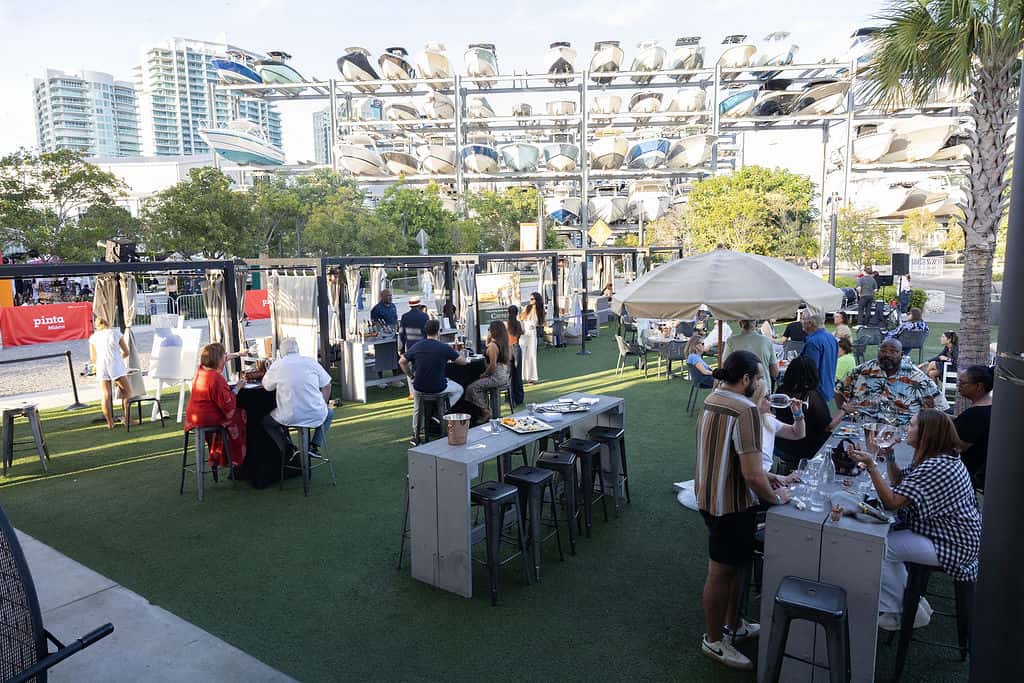
Location influences attendee experience and turnout by determining how conveniently guests can arrive, how comfortably they can engage, and how memorable the setting feels. A centrally located venue in a recognizable neighborhood reduces friction; when professionals can reach the space without a long commute, attendance rates climb. Proximity to parking, public transit, and rideshare drop-off points matters just as much as the address itself.
Outdoor venues eliminate the need for extensive artificial lighting through natural daylight, which enhances photography quality and reduces production costs for lighting equipment. Noise regulations also shape the experience. According to CBS Miami News, Miami-Dade County currently sets decibel limits only for rural event venues, while urban enforcement relies on subjective "unreasonable noise" standards. For hosts planning in urban neighborhoods, this distinction affects music volume, speaker setups, and overall event energy.
What Should You Consider When Evaluating Amenities and Atmosphere?
You should consider layout flexibility, on-site catering, audiovisual capabilities, and the overall aesthetic when evaluating amenities and atmosphere. A venue's built-in features directly affect how smoothly a networking event operates.
Key amenities to assess include:
- Catering availability: In-house catering or preferred vendor lists simplify food and beverage logistics.
- Flexible layouts: Customizable floor plans allow hosts to create distinct zones for mingling, presentations, and refreshments.
- Scenic backdrops: Water views, gardens, or architectural features reduce decoration costs while providing natural conversation starters.
- Professional support: On-site event coordinators and vendor access streamline day-of execution.
Atmosphere sets the tone for meaningful connection. A space that feels too corporate stifles casual conversation, while one that skews too casual may undermine professional credibility. The strongest networking venues strike a balance, offering sophistication without rigidity. Waterfront settings and open-air spaces tend to put guests at ease, encouraging organic introductions that structured conference rooms often cannot replicate.
With the right venue selected, the next step is building a guest list that matches your event goals.
How Can You Effectively Invite and Attract the Right Attendees?
You can effectively invite and attract the right attendees by building a targeted guest list aligned with your event goals and sending personalized invitations that drive responses. The sections below cover guest list strategy and invitation personalization.
What Strategies Work for Creating a Targeted Guest List?
The strategies that work for creating a targeted guest list start with defining your ideal attendee profile based on industry, role, and networking objectives. Begin by identifying the specific connections your event should foster, then build outward from there.
Effective guest list strategies include:
- Mapping attendees by industry, seniority level, and professional interests to ensure complementary connections.
- Balancing the ratio of established professionals to emerging talent so conversations flow naturally.
- Sourcing names from professional associations, LinkedIn groups, and existing client networks relevant to your event's purpose.
- Capping your list at a number your venue comfortably supports, since overcrowding kills conversation quality.
A focused guest list consistently outperforms a large, unfocused one. When every attendee has a clear reason to be in the room, introductions become easier and the event generates stronger professional outcomes.
How Do Personalized Invitations Impact RSVP Rates?
Personalized invitations impact RSVP rates by making recipients feel individually valued rather than mass-targeted. A generic blast is easy to ignore; a message that references a recipient's work, shared connections, or specific reasons they would benefit from attending compels action.
Key personalization tactics that boost responses include:
- Addressing invitees by name and referencing a specific professional interest or recent achievement.
- Explaining why their presence adds value to the event, not just why the event benefits them.
- Including a clear, simple RSVP mechanism with a specific deadline to create urgency.
- Sending a brief follow-up reminder one week before the event to capture undecided recipients.
For hosts planning networking events at waterfront venues in Coconut Grove, mentioning the unique setting in the invitation itself adds a compelling reason to attend. From a practical standpoint, personalization does not require custom-written letters for every guest; even a single tailored sentence within a templated invitation can meaningfully lift response rates.
With your guest list confirmed, structuring the event timeline keeps the evening on track.
What Are the Best Practices for Structuring the Event Timeline?
The best practices for structuring the event timeline include balancing mingling time with formal programming and integrating purposeful icebreakers. The following subsections cover optimal time allocation and activity integration.
How Much Time Should Be Allocated for Mingling Versus Formal Activities?
The time allocated for mingling versus formal activities should follow a ratio that prioritizes open networking. A well-structured networking event dedicates roughly 60–70% of total time to informal mingling and 30–40% to formal programming, such as keynote remarks, panel discussions, or structured introductions.
This balance matters because attendees come primarily to build connections, not sit through presentations. Front-load 20–30 minutes of open mingling before any formal segment begins, giving early arrivals time to settle and start conversations organically. Place formal activities in the middle of the timeline, then close with another unstructured networking window so guests can follow up on conversations sparked during the program.
For most professionals, the ideal event timing falls during the early evening, when guests can transition directly from work. Keeping total event length between two and three hours prevents fatigue while allowing enough time for meaningful exchanges.
How Can You Incorporate Icebreakers and Networking Activities Successfully?
You can incorporate icebreakers and networking activities successfully by designing them to feel natural rather than forced. The most effective activities lower social barriers without making guests uncomfortable.
Proven icebreaker formats for professional events include:
- Speed networking rounds lasting three to five minutes per pairing, with a bell or signal to rotate.
- Conversation prompt cards placed at tables or bars, offering industry-relevant discussion starters.
- Small group introductions where a host briefly connects two or three guests with shared interests.
- Interactive stations, such as a collaborative idea board or industry trivia, that give attendees a reason to engage.
Timing matters as much as format. Schedule icebreakers within the first 30 minutes, when energy is high and guests are still forming first impressions. Avoid activities that single people out or require public speaking, as these tend to increase anxiety rather than connection.
With a strong timeline and purposeful activities in place, the next consideration is how food and beverage choices support the networking atmosphere.
How Do Food and Beverage Choices Affect Networking Events?
Food and beverage choices affect networking events by shaping guest comfort, conversation flow, and overall satisfaction. Since catering and beverages typically consume the largest share of any event budget, strategic menu planning directly influences both experience and ROI.
What Types of Menus Encourage Conversation and Enjoyment?
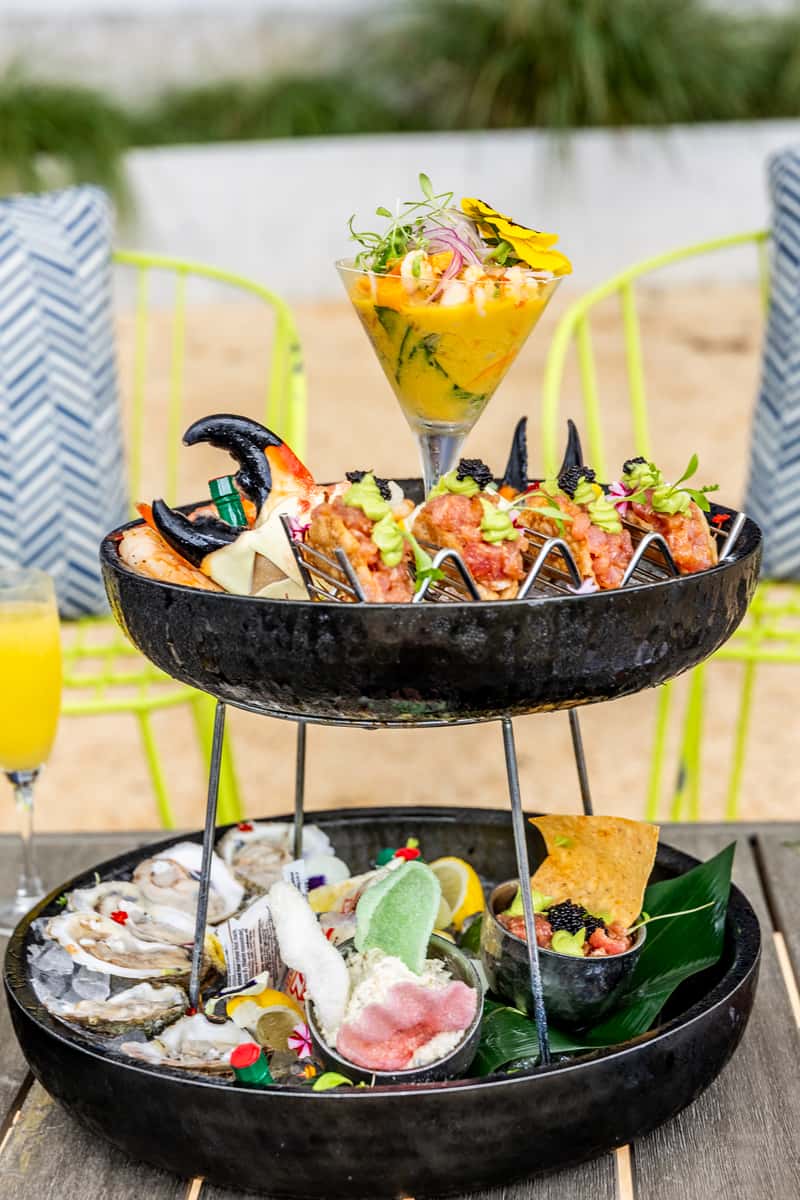
The types of menus that encourage conversation and enjoyment are those designed for easy, one-handed eating while standing and mingling. Passed appetizers, small bites, and stationed grazing boards keep guests mobile rather than anchored to a table.
Effective networking menus include:
- Bite-sized options that do not require utensils, such as skewers, crostini, and mini tacos.
- Grazing stations spaced throughout the venue to create natural gathering points.
- Staggered food service that gives guests reasons to circulate over the course of the evening.
According to The Party Teacher's budget breakdown, catering and food account for 30–40% of total event budgets, with beverages adding another 10–15%. Allocating this 40–55% wisely toward shareable, conversation-friendly formats yields far better networking outcomes than a formal seated dinner that limits interaction.
How Can You Accommodate Dietary Preferences and Allergies?
You can accommodate dietary preferences and allergies by collecting information early and building inclusive options into the core menu rather than treating them as afterthoughts. RSVP forms should include a dietary needs field covering common restrictions such as vegetarian, vegan, gluten-free, kosher, halal, and nut allergies.
Practical steps for inclusive menu planning include:
- Labeling every dish clearly with ingredient categories and common allergens.
- Offering at least two options per dietary category so restricted guests have genuine choices.
- Briefing catering staff on cross-contamination protocols and ingredient sourcing.
Guests who feel considered are more relaxed, more engaged, and more likely to remember the event positively. For hosts planning networking events in diverse cities like Miami, inclusive menus are not optional; they are a baseline expectation that signals professionalism.
With menu strategy in place, host etiquette becomes the next factor in guest experience.
What Are the Top Etiquette Tips for Networking Event Hosts?
The top etiquette tips for networking event hosts center on warm guest greetings, thoughtful introductions, and proactive comfort management. The following sections cover how to welcome attendees and how to maintain smooth event flow.
How Should You Greet Guests and Facilitate Introductions?
You should greet guests individually at arrival and facilitate introductions by connecting attendees who share professional interests. A host who personally welcomes each person sets the tone for open, relaxed conversation throughout the evening.
Effective introduction techniques include:
- Mention each person's name and a brief professional detail to spark common ground.
- Pair newcomers with established contacts so no one stands alone.
- Circulate continuously rather than staying in one group.
- Use open body language and direct eye contact to signal approachability.
For hosts managing larger gatherings, designating two or three co-hosts to cover different areas of the venue ensures every attendee receives a personal welcome. This small investment in hospitality turns a room full of strangers into a connected group far more quickly than name tags alone.
How Can You Manage Event Flow and Guest Comfort?
You can manage event flow and guest comfort by controlling the physical environment, pacing activities intentionally, and anticipating attendee needs before problems arise.
Climate plays a critical role, particularly for events in South Florida. According to the National Weather Service's dew point comfort guide, dew points at or above 65°F create oppressive moisture levels; Miami's May through June dew points typically range from 65 to 72°F, placing most outdoor gatherings firmly in that discomfort zone. Indoor venues with HVAC dehumidification maintain 40 to 55% relative humidity, preventing condensation and keeping guests comfortable regardless of conditions outside.
Beyond climate, practical flow management includes:
- Scheduling structured networking segments between casual mingling windows.
- Positioning food and beverage stations to encourage movement across the space.
- Keeping background music at a volume that allows easy conversation.
- Monitoring crowd density and opening additional seating areas when needed.
Scenic outdoor backdrops, such as water views or garden settings, reduce decoration costs while enhancing the perception of spaciousness. Choosing a venue that balances comfort with visual appeal makes the host's job significantly easier, because guests who feel physically at ease network more genuinely.
Understanding guest comfort sets the stage for leveraging technology to streamline event logistics.
How Can You Use Technology to Enhance a Networking Event?
You can use technology to enhance a networking event by streamlining registration, boosting real-time engagement, and extending your reach through social media. The right digital tools simplify logistics and help attendees connect more effectively.
What Tools Help with Event Registration and Engagement?
The tools that help with event registration and engagement include digital platforms for ticketing, check-in, and interactive participation. Event management software such as Eventbrite, Splash, or Luma handles online RSVPs, sends automated reminders, and tracks attendance in real time.
QR code check-in systems speed up arrival and reduce front-door congestion, which is especially valuable when indoor venues typically offer limited event hours of 2 to 4 hour rental blocks with strict occupancy limits based on fire code. Digital tools help organizers maximize that window.
Additional engagement tools worth considering:
- Live polling and Q&A apps let attendees submit questions during panels or presentations.
- Digital business card platforms such as Popl or HiHello replace paper cards and sync contact details instantly.
- Event-specific mobile apps provide schedules, speaker bios, and attendee directories.
- Badge scanning technology tracks session attendance and measures networking activity.
For any tech integration at your event, prioritize accessibility. According to AData's Planning Guide, the ADA requires all buildings and facilities open to the public, including temporary event structures, to be accessible to people with disabilities. Digital registration should follow similar principles, with screen-reader-compatible forms and captioned video content.
How Can You Leverage Social Media Before, During, and After the Event?
You can leverage social media before, during, and after the event by creating a content strategy that builds anticipation, drives real-time interaction, and sustains connections long after guests leave.
Before the event, create a branded hashtag and share speaker spotlights, venue previews, and countdown posts. Encourage registered attendees to introduce themselves in event-specific LinkedIn groups or social threads to warm up conversations before anyone arrives.
During the event, assign a team member to capture live content:
- Post short video clips of keynote moments and candid networking interactions.
- Use Instagram Stories or LinkedIn Live to broadcast sessions for remote audiences.
- Display a live social media wall showing tagged posts, which motivates attendees to share.
After the event, share recap content including highlight reels, key takeaways, and attendee testimonials. Tag speakers and guests to amplify reach organically. Post-event social engagement often generates more meaningful connections than the event itself, because attendees revisit content at their own pace and follow up with people they missed.
With a strong digital follow-up strategy established, the next step is building systems for sustained post-event relationship building.
Why Is Post-Event Follow-Up Essential for Networking Success?
Post-event follow-up is essential for networking success because it transforms brief introductions into lasting professional relationships. Without deliberate outreach after the event ends, even the strongest conversations fade quickly. The sections below cover how to encourage ongoing connections and the best practices for thank-you notes and surveys.
How Can You Encourage Meaningful Connections Beyond the Event?
You can encourage meaningful connections beyond the event by providing attendees with structured ways to stay in contact after they leave. Share a digital attendee directory or LinkedIn group within 24 hours so conversations can continue naturally. Pair this with a follow-up email that highlights key discussion points or shared interests noted during the event.
Curated introductions also help. When you notice complementary goals between two guests, send a brief email connecting them directly. This positions you as a valuable connector rather than just an event host. For hosts planning networking events at waterfront venues in Coconut Grove, these small gestures reflect the caliber of the experience and keep your brand top of mind long after the evening ends.
What Are the Best Practices for Sending Thank-You Notes and Surveys?
The best practices for sending thank-you notes and surveys include timing, personalization, and brevity. Send thank-you messages within 24 to 48 hours while the event remains fresh. Personalize each note by referencing a specific conversation or moment from the evening.
Key elements of effective post-event outreach include:
- Addressing each attendee by name with a specific detail from your interaction.
- Keeping the message under five sentences to respect their time.
- Including one clear call to action, such as scheduling a coffee meeting or joining a follow-up group.
- Sending a short survey (three to five questions) that asks about session value, venue experience, and suggestions for future events.
Surveys do more than collect feedback; they signal that you value each attendee's perspective, which strengthens the relationship for future networking opportunities. With follow-up systems in place, the next step is choosing a venue that makes every element of your event memorable.
How Can Bayshore Club's Waterfront Venue in Coconut Grove Elevate Your Networking Event?
Bayshore Club's waterfront venue in Coconut Grove can elevate your networking event by combining Biscayne Bay views, open-air dining, and custom event hosting on a historic waterfront site. Below, explore the services offered and key takeaways for hosting in this neighborhood.
What Event Hosting Services and Culinary Experiences Does Bayshore Club Offer for Networking Events?
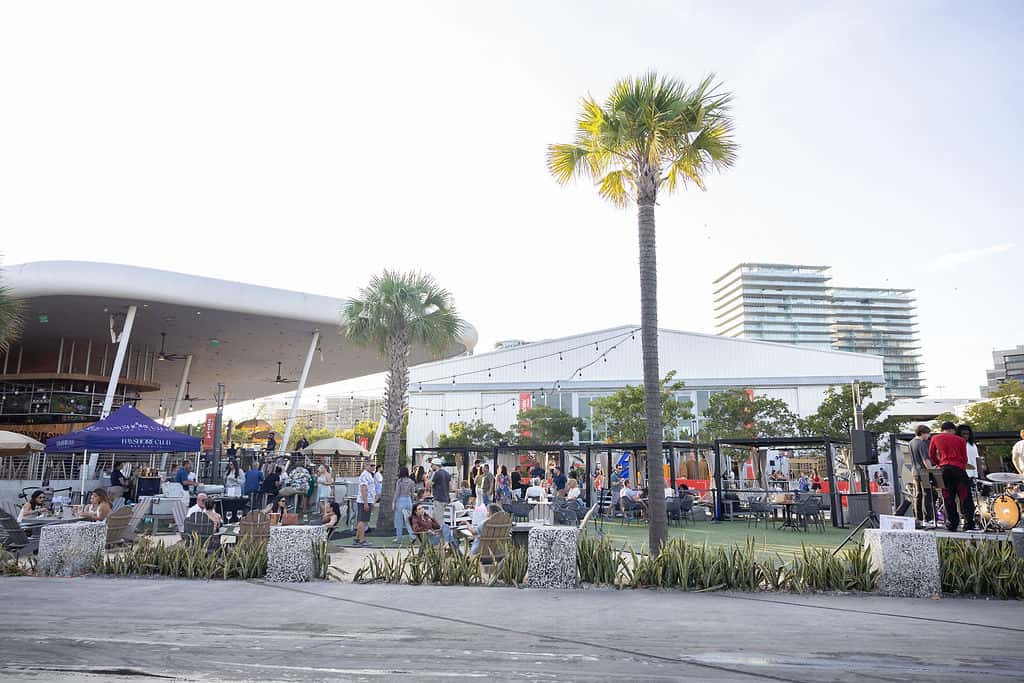
Bayshore Club offers event hosting services that include semi-private dining for 20 seated to 50 cocktail guests and full venue buyouts accommodating up to 700 seated guests. The 20,000-square-foot open-air waterfront space at 3391 Pan American Drive sits on the historic Dinner Key site, where Biscayne Bay views provide a natural backdrop that reduces decoration costs and encourages conversation.
Custom catering menus feature fresh seafood from the raw bar alongside cocktail selections, designed for events where food service supports networking flow. Because the venue handles catering, decor coordination, and layout customization in-house, organizers avoid the complexity of hiring separate vendors for each service. For any open-air event in Miami, one-time mosquito control treatments applied before the event start time keep guests comfortable outdoors, according to MoShield's specialized event services.
What Are the Key Takeaways for Hosting a Successful Networking Event in Coconut Grove?
The key takeaways for hosting a successful networking event in Coconut Grove center on preparation, venue selection, and follow-through:
- Define measurable goals before booking so every event decision supports a clear purpose.
- Choose a venue where the atmosphere does the work; waterfront settings, natural lighting, and flexible layouts encourage organic mingling.
- Structure your timeline to balance open networking with guided icebreakers, keeping energy levels high without over-scheduling.
- Select food and beverage formats that free guests to move and talk, rather than anchoring them at seated tables.
- Use event technology for registration and post-event engagement, turning one evening of connections into lasting professional relationships.
- Follow up within 48 hours with personalized thank-you notes and a brief survey to measure outcomes against your original goals.
Coconut Grove's walkable, bayfront setting naturally puts attendees at ease, which makes it one of the most effective Miami neighborhoods for relationship-driven events.