
Tips for Planning a Branded Event in a Grand Ballroom Miami
Tips for Planning a Branded Event in a Grand Ballroom Miami
A branded event in a grand ballroom in Miami is a curated experience where every design element, menu choice, and guest interaction reinforces a single brand message inside a large-format venue shaped by Miami's climate, culture, and culinary identity.
This guide covers venue selection, brand integration through design and decor, event logistics and AV production, food and beverage strategy, attendee engagement tactics, success measurement, and how Bayshore Club in Coconut Grove brings these elements together.
Venue selection starts with location, climate timing, and built-in infrastructure. Waterfront settings reduce scenic production costs by providing a natural atmosphere, while scheduling around Atlantic hurricane season (June 1 through November 30) protects attendance. HVAC systems rated for South Florida humidity and scalable AV setups separate ballrooms that are event-ready from those that require expensive workarounds.
Brand integration relies on cohesive visual layering across every surface. Consistent logo placement, typed materials, colored uplighting matched to brand palettes, and branded wayfinding signage turn a decorated ballroom into an immersive brand environment where recognition builds through subtle repetition.
Logistics hinge on centralized vendor timelines, staggered load-in schedules, early permitting, and AV walkthroughs scaled to grand ballroom dimensions rather than small-room defaults. The City of Miami requires special event applications at least 30 to 45 days in advance depending on attendance size.
Food and beverage planning anchors the experience in Miami's Latin and Caribbean culinary roots. Themed cocktails, raw bar selections, and fusion small plates transform passive dining into active brand touchpoints that guests remember and share.
Attendee engagement combines technology-driven activations like social media displays, interactive polls, and live entertainment to convert passive guests into brand ambassadors. Measuring success through attendance rates, qualified leads, Net Promoter Score, and structured post-event surveys then reveals each tactic's true impact.
What Should You Consider When Choosing a Grand Ballroom Venue in Miami?
You should consider location, climate timing, built-in amenities, and AV infrastructure when choosing a grand ballroom venue in Miami. The subsections below cover how venue location shapes event outcomes and which amenities create a memorable guest experience.
How Does Location Influence the Success of a Branded Event?
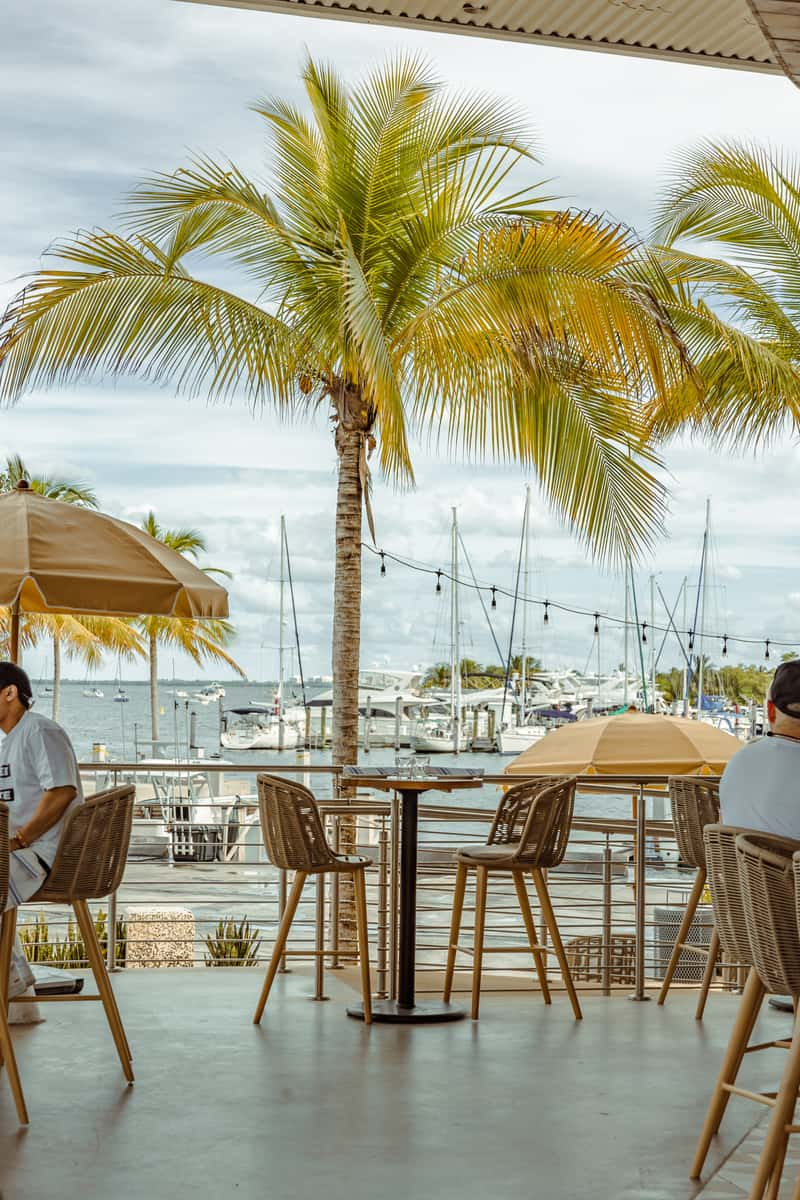
Location influences the success of a branded event by determining guest accessibility, first impressions, and logistical efficiency. A waterfront setting, for instance, provides a built-in atmosphere that reduces the need for heavy scenic production, while proximity to major transit corridors simplifies arrival logistics for out-of-town attendees.
Accessibility factors that affect branded-event success include:
- Proximity to Miami International Airport and major highways for guest convenience.
- ADA-compliant parking, which the U.S. Department of Justice requires to have spaces at least 96 inches wide with a 60-inch access aisle on a firm, slip-resistant surface.
- Walkability to hotels, reducing transportation costs and late-arrival risks.
- Neighborhood character that reinforces brand positioning before guests enter the venue.
According to VISIT FLORIDA, Atlantic hurricane season runs officially from June 1 to November 30, with peak activity from mid-August to mid-October. Scheduling around these dates minimizes weather disruptions that could undermine attendance and outdoor elements. For branded events where every touchpoint matters, choosing a location that does the storytelling work on its own, like a historic waterfront district, often delivers more brand impact per dollar than a generic convention-adjacent site.
What Amenities and Features Are Essential for a Memorable Experience?
The amenities and features essential for a memorable experience are climate control suited to South Florida's humidity, flexible floor plans, strong AV infrastructure, and dedicated catering capabilities. Missing any one of these forces costly last-minute workarounds.
Key amenities to evaluate include:
- HVAC systems capable of maintaining interior conditions near 75°F and below 60% relative humidity, which the Whole Building Design Guide identifies as the target for humid-climate venues.
- Flexible seating layouts that accommodate both seated dinners and cocktail-style networking.
- On-site catering coordination with proper Florida licensing for alcohol service.
- Adequate load-in access, freight elevators, and rigging points; confirm these details directly with the venue, as no industry-wide standard governs ballroom-specific dock rules or load-in windows.
AV readiness is equally critical. Grand ballrooms require significantly higher projector lumens and speaker output than small meeting rooms, so planners should request a technical site visit rather than relying on generic specs. A venue that already has robust AV and climate infrastructure spares your production budget for brand-building elements instead.
Understanding these venue fundamentals sets the stage for the next step: weaving your brand identity into every design detail.
How Can You Effectively Incorporate Brand Identity Into Your Miami Event?
You can effectively incorporate brand identity into your Miami event by aligning design elements, signage, color palettes, and decor with your core brand message. The following subsections cover visual design strategy and environmental branding techniques.

What Design Elements Help Reinforce Your Brand Message?
Design elements that help reinforce your brand message include consistent typography, logo placement, custom lighting, branded stage backdrops, and thematic centerpieces. Each touchpoint should reflect your brand's visual identity so guests absorb the message without conscious effort.
Key design elements to integrate across a grand ballroom include:
- Logo integration: Place your logo on podium wraps, projection screens, napkins, and entry signage.
- Typography consistency: Match all printed materials, menus, and digital displays to your brand's typeface.
- Custom lighting: Use colored uplighting that aligns with brand palette colors to shape the room's atmosphere.
- Thematic centerpieces: Design table arrangements that echo your brand story or product line.
- Stage and backdrop design: Build a branded stage set that photographs well for social media amplification.
For Miami ballroom events specifically, working with the venue's existing architectural features rather than fighting them tends to produce stronger results. Neutral walls and high ceilings serve as a blank canvas, letting branded elements command attention without visual competition.
How Should You Use Signage, Colors, and Decor for Maximum Impact?
You should use signage, colors, and decor for maximum impact by creating a cohesive visual environment where every surface reinforces brand recognition. Signage directs guest flow while simultaneously delivering brand impressions at each transition point.
According to a 2022 controlled study published in Frontiers in Psychology (Xie et al.), different colors of light have a significant effect on mood, with red light triggering responses ranging from calm to excitement, demonstrating that colored light can construct distinct spatial atmospheres.
Practical application guidelines:
- Entrance signage: Position a large-format branded welcome display at the ballroom entry; this sets the visual tone before guests reach their seats.
- Color saturation: Limit your palette to two or three brand colors; too many competing hues dilute recognition.
- Decor layering: Coordinate linens, floral arrangements, and tableware within your color scheme for immersive consistency.
- Wayfinding elements: Brand directional signs, bar menus, and restroom markers so even functional signage carries your identity.
Subtle repetition across these surfaces is what separates a decorated room from a truly branded experience. With your visual environment locked in, the next step is ensuring logistics support the seamless execution of that vision.
What Logistics Are Most Important When Organizing an Event in a Grand Ballroom?
The most important logistics when organizing an event in a grand ballroom are vendor coordination, timeline management, permitting, and audio-visual planning. The sections below cover how to align vendors with your schedule and how to address technical production needs.
How Do You Coordinate Vendors and Timelines Efficiently?
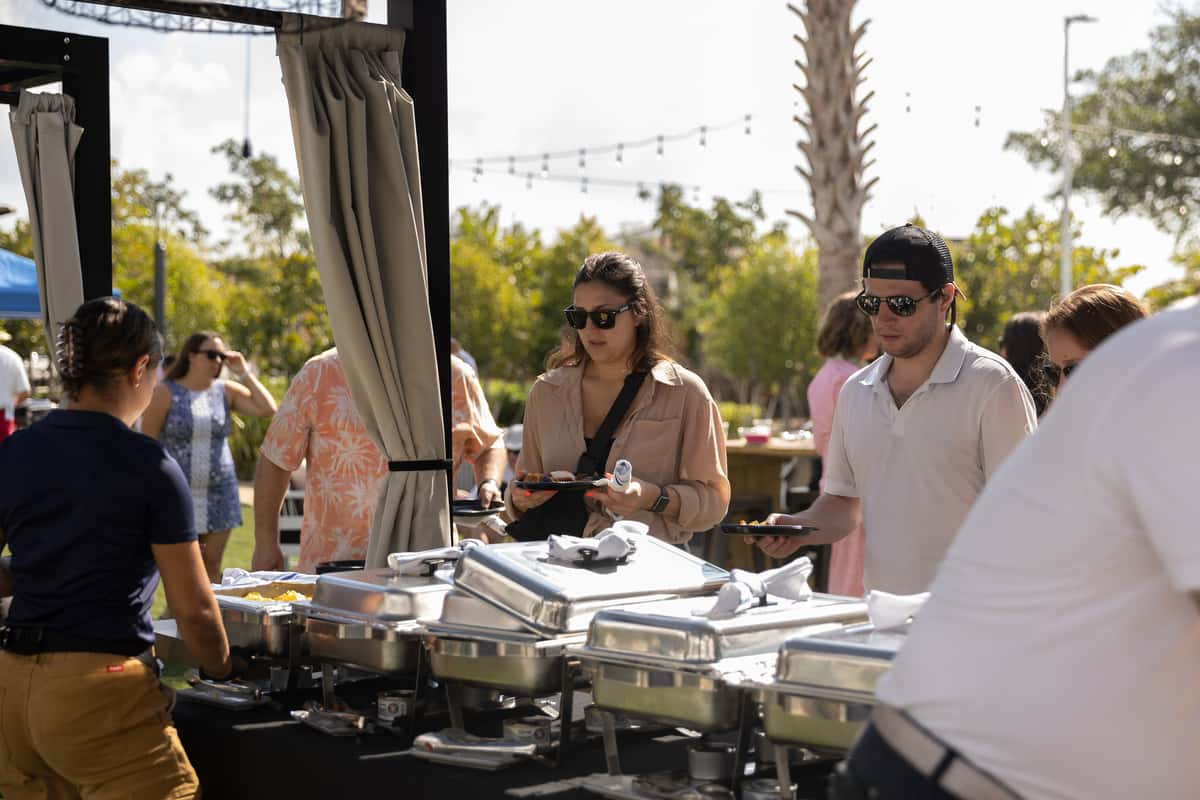
You coordinate vendors and timelines efficiently by building a centralized production schedule that assigns each vendor a confirmed load-in window, delivery deadline, and point of contact. Start with permitting: the City of Miami requires special event applications at least 30 days before events of up to 1,000 persons and at least 45 days before events exceeding 1,001 attendees, with an Indemnity Agreement and Certificate of Insurance on the checklist.
Key coordination steps include:
- Confirm the venue's dock access, freight elevator availability, and rigging restrictions directly with the property.
- Assign staggered load-in times so caterers, florists, and AV crews do not compete for the same staging area.
- Distribute a shared timeline document listing setup milestones, rehearsal cues, and teardown deadlines.
- Verify local labor jurisdiction, staffing minimums, and overtime rules with the venue and any applicable union.
In my experience, the single biggest source of day-of delays is vendors arriving without confirmed contact information for the on-site coordinator. A 15-minute pre-event vendor briefing eliminates most of those gaps.
What Are the Key Considerations for Audio-Visual and Technical Needs?
The key considerations for audio-visual and technical needs in a grand ballroom are projector brightness, speaker coverage, sound-level compliance, and ambient light management. Grand ballrooms present larger distances and higher ceilings than standard meeting rooms, so specifications must scale accordingly.
Critical AV factors include:
- Projector lumens: AVIXA recommends at least 4,000 to 5,000 lumens for good visibility in a small conference room; a grand ballroom with greater ambient light and throw distance requires significantly higher output.
- Speaker positioning: Even coverage across all seating zones prevents dead spots and feedback. Larger rooms typically need line-array systems rather than a single pair of speakers.
- Noise exposure: OSHA sets the permissible exposure limit at 90 dBA for an 8-hour workday and requires a Hearing Conservation Program at 85 dBA, a threshold worth monitoring during extended receptions with live music.
- Redundancy: Backup microphones, a secondary laptop for presentations, and a dedicated AV technician on-site reduce the risk of technical interruptions during branded moments.
Prioritizing a full AV walkthrough at least two weeks before the event ensures every technical element supports, rather than undermines, the brand experience your guests will remember.
How Can Food and Beverage Choices Enhance Your Branded Event?
Food and beverage choices enhance your branded event by connecting your menu to Miami's culinary identity and weaving brand elements into every course and cocktail. The following sections cover menu options that reflect Miami's tastes and how themed items reinforce brand messaging.

What Menu Options Reflect Sophisticated Miami Tastes?
Menu options that reflect sophisticated Miami tastes draw on the city's Latin and Caribbean culinary roots while incorporating modern gastronomic techniques. A December 2024 Florida International University Caplin News report described Miami's culinary scene as driven by "bold Latin and Caribbean flavors," noting that the concepts gaining traction have "a unique fingerprint all their own."
Planners should consider options such as:
- Ceviche stations featuring locally sourced seafood with citrus-forward marinades
- Caribbean-spiced proteins paired with tropical fruit salsas
- Raw bar selections highlighting Miami's coastal identity
- Fusion small plates blending Latin techniques with contemporary presentation
A peer-reviewed December 2024 review in the Journal of Agriculture and Food Research identified trends including Fusion Cuisine and Molecular Gastronomy as future-facing approaches. Incorporating these techniques into a ballroom menu signals sophistication without sacrificing authenticity. For branded events, the menu itself becomes a conversation piece when it reflects the host city's palate rather than defaulting to generic banquet fare.
How Can Themed Cocktails or Custom Dishes Support Brand Messaging?
Themed cocktails or custom dishes support brand messaging by turning every plate and glass into a sensory brand touchpoint. Naming a signature cocktail after a product launch, matching garnish colors to brand palettes, or shaping dessert presentations around a logo transforms passive dining into active brand engagement.
Effective approaches include:
- Custom cocktails with brand-colored ingredients or branded garnishes
- Plated courses that mirror a campaign's color scheme or theme
- Menu cards printed with brand language explaining each dish's connection to the event narrative
Research on event-marketing sponsorship supports this broader principle; a study published in the Journal of Promotion Management found that "engaging tactics" produced higher brand recall than passive tactics, along with more favorable evaluations and higher purchase intent. Although that study tested engagement generally rather than food specifically, the mechanism applies: when guests interact with brand elements through taste, the experience becomes memorable and shareable.
With a thoughtful menu strategy in place, the next step is keeping guests actively engaged throughout the event.
What Are Proven Strategies for Engaging Attendees During Your Branded Event?
Proven strategies for engaging attendees during your branded event include interactive activations, social experiences, and live entertainment that connect guests to your brand. The sections below cover how to build interactive and social moments, and why entertainment drives lasting engagement.

How Can You Create Interactive and Social Experiences?
You can create interactive and social experiences by layering technology-driven activations with in-person networking opportunities throughout your event. According to PCMA's summary of the 2019 Cvent Planner Sourcing Report, planners reported using these tools to create memorable attendee experiences:
- Live music and entertainment at 56%
- Social-media displays at 46%
- Attendee messaging and networking at 45%
- Event mobile apps at 43%
- Surprises and pop-up events at 35%
- Interactive polls at 32%
- Personalized experiences via real-time attendee tracking (RFID) at 25%
- Mobile gamification at 19%
- Virtual and augmented reality at 17%
For a branded event in a grand ballroom, combining two or three of these tactics yields the strongest results. A photo activation paired with a branded social-media display, for example, turns passive guests into active brand ambassadors who share content in real time.
What Role Does Entertainment or Live Experience Play in Guest Engagement?
Entertainment plays a central role in guest engagement because it creates emotional anchors that guests associate with the hosting brand. Live performances, surprise acts, and immersive experiences hold attention in ways that static presentations cannot. The American Marketing Association identifies qualified leads as "a true marker" of trade-show attendee quality and the first step in determining overall ROI; entertainment that draws guests into deeper interactions directly supports that lead-quality goal.
In a grand ballroom setting, live bands or curated performances give attendees a shared moment that sparks organic conversation. This communal energy is difficult to replicate through digital channels alone, which makes in-person entertainment one of the highest-impact investments a branded event can make.
With engagement strategies in place, tracking the right metrics reveals their true impact.
How Can You Measure the Success of Your Branded Event in Miami?
You can measure the success of your branded event in Miami by tracking quantitative metrics like attendance and qualified leads alongside qualitative feedback from attendees. The following sections cover which KPIs to prioritize and how to collect actionable post-event data.
What Metrics Should You Track for ROI and Brand Impact?
The metrics you should track for ROI and brand impact include attendance rate, qualified leads, social media engagement, and Net Promoter Score. Attendance rate compares registrations to actual check-ins; as Digital.gov notes, tracking attendance or registration rates "can be a useful engagement metric." Qualified leads, measured as marketing-qualified leads (MQLs) and sales-qualified leads (SQLs), reveal whether the event attracted high-value contacts worth pursuing. Social media mentions, hashtag volume, and content shares quantify brand reach beyond the ballroom. Net Promoter Score captures how likely attendees are to recommend your brand after the event. For a Miami branded event, pairing these numbers with pre-event and post-event brand awareness surveys gives the clearest picture of actual impact on equity and pipeline.
How Do You Gather Feedback From Attendees and Stakeholders?
You gather feedback from attendees and stakeholders through post-event surveys, one-on-one stakeholder interviews, and real-time digital response tools. Post-event surveys are self-completion questionnaires distributed immediately after the event to capture each attendee's experience, perceived value, and suggestions for improvement. Keep surveys concise, ideally under ten questions, combining scaled rating items with one or two open-ended prompts. For stakeholders such as sponsors, vendors, and internal leadership, brief structured interviews within the first week yield richer qualitative insight than surveys alone. Collecting feedback through multiple channels simultaneously produces the most balanced evaluation, because survey-only approaches can miss nuances that direct conversation reveals.
With clear metrics and structured feedback, your next step is connecting event outcomes to your venue's unique strengths.
How Can Bayshore Club Miami's Waterfront Dining and Unique Atmosphere Elevate Your Branded Event?
Bayshore Club Miami's waterfront dining and unique atmosphere can elevate your branded event by pairing Biscayne Bay views with a culinary program rooted in Miami's signature flavors. The sections below cover how all-day dining enhances the guest experience and what to remember when planning a branded ballroom event in Miami.
How Does Bayshore Club's All-Day Dining and Raw Bar Enhance Event Experiences?
Bayshore Club's all-day dining and raw bar enhance event experiences by giving planners a flexible culinary foundation that runs from brunch through evening service. Guests move through seafood-forward courses at a waterfront setting in Coconut Grove, where the historic Dinner Key location adds a narrative layer most venues cannot replicate. A study published in the Journal of Promotion Management found that engaging event tactics produced higher aided brand recall, more favorable evaluations, and stronger purchase intent than passive approaches. Bayshore Club's raw bar, live bands, and Biscayne Bay backdrop create exactly this kind of active, sensory-rich environment. For branded events accommodating up to 250 cocktail-style guests, few Miami settings merge food quality and atmosphere this seamlessly.
For guests interested in a more interactive seafood experience, Bayshore Club's Hook and Cook experience offers another way to connect fresh seafood with waterfront dining in Coconut Grove.
What Are the Key Takeaways for Planning a Branded Event in a Grand Ballroom in Miami?
The key takeaways for planning a branded event in a grand ballroom in Miami center on early permitting, culinary authenticity, atmosphere alignment, and structured evaluation.
- Secure permits early. The City of Miami requires special event applications at least 30 days in advance for events up to 1,000 attendees and 45 days for events exceeding 1,001, along with an Indemnity Agreement and Certificate of Insurance.
- Anchor the menu in Miami's culinary identity. A 2024 Florida International University Caplin News report described the city's dining scene as driven by "bold Latin and Caribbean flavors," noting that successful concepts carry "a unique fingerprint all their own."
- Choose a venue whose atmosphere reinforces your brand. Waterfront settings, historic architecture, and distinctive design details create stronger sensory impressions than neutral event spaces.
- Build a post-event evaluation plan. The CDC's 2024 Program Evaluation Framework outlines six steps: assess context, describe the program, focus evaluation questions, gather evidence, generate conclusions, and act on findings.
Bayshore Club can help planners bring these principles together at one Coconut Grove waterfront address.