
Tips for Planning Networking Events
Tips for Planning Networking Events
Planning a successful networking event is the process of aligning a clear purpose, the right venue, a structured program, targeted promotion, and strategic follow-up to create meaningful professional connections. This guide covers goal-setting and audience targeting, venue selection, program design, event promotion, logistics and guest experience, and post-event follow-up.
Defining measurable objectives before any other planning begins separates productive events from forgettable ones. Companies that align event goals with business strategy report meeting their pipeline and revenue targets at significantly higher rates, and identifying an audience with shared professional challenges ensures every attendee adds value to the room.
Venue location directly shapes turnout and conversation quality. The right setting can increase attendance by 30% to 50%, and features like flexible capacity, on-site catering, and an ambiance that encourages mingling turn a space into a networking catalyst rather than just a backdrop.
Program structure determines whether guests form real connections or simply exchange business cards. Formats like speed networking, facilitated roundtables, and hands-on workshops keep energy high, while well-placed icebreakers lower social barriers and give attendees natural reasons to start conversations.
Promotion through layered channels, particularly email marketing paired with social media and industry partnerships, drives registrations. Tactics like limited-availability alerts, simplified signup forms, and strategically timed reminders convert interest into confirmed attendance.
Smooth logistics and thoughtful hospitality keep guests present and engaged, while personalized post-event follow-up transforms one-time attendees into lasting professional contacts. Collecting structured feedback after each event sharpens every future iteration.
Why Is Defining the Purpose of Your Networking Event Essential?
Defining the purpose of your networking event is essential because it shapes every planning decision, from audience selection to program design. Clear objectives align your event with measurable business outcomes, while a defined target audience ensures the right professionals attend.
How Can You Clarify Your Event Goals and Objectives?
You can clarify your event goals and objectives by aligning each goal with a specific, measurable business outcome before planning begins. Vague intentions like "bring people together" produce unfocused events that fail to deliver results.
Effective event goals typically include:
- Generating qualified leads for a sales pipeline.
- Strengthening relationships with existing clients or partners.
- Positioning your brand as an industry authority.
- Launching a product, service, or initiative to a targeted audience.
According to Splash, 93% of US-based companies utilizing an event-led growth strategy report meeting their pipeline and revenue goals. That alignment between event purpose and business strategy is what separates productive networking events from forgettable ones. Without defined objectives, there is no way to measure success or justify the investment.
What Audience Should You Target for Your Networking Event?
The audience you should target for your networking event depends on your event goals, industry focus, and the professional challenges your attendees need to solve. Networking events, also called professional gatherings, business mixers, industry seminars, career fairs, trade shows, or happy hour meetups, each attract distinct audience profiles.
According to the 2024 Freeman Attendee Intent and Behavior Survey, 52% of event attendees state their primary goal is to discuss industry-specific challenges with peers. This means your target audience should consist of professionals who share overlapping pain points, not just anyone in your industry.
Geographic proximity also matters. A 2014 National Endowment for the Arts report found that 31% of audiences drive beyond a "reasonable distance" to attend events, which suggests that most attendees prefer accessible, centrally located venues. For planners in Coconut Grove, this makes waterfront locations particularly appealing for drawing Miami's professional community.
With a defined purpose and audience in place, the next step is selecting a venue that supports your event's goals.
What Are Effective Strategies for Choosing the Right Networking Event Venue?
Effective strategies for choosing the right networking event venue include evaluating location accessibility, matching the space to your event format, and prioritizing ambiance that encourages conversation. The following subsections cover how location affects turnout and what features define a strong networking venue.
How Does Location Impact Attendance and Ambiance?
Location impacts attendance and ambiance by determining how easily guests can reach the venue and how the surrounding environment shapes their experience. According to Eventhost, selecting the right venue location can increase event attendance by 30% to 50%, while poor location choices create significant participation barriers.
Key location factors that influence both turnout and atmosphere include:
- Proximity to attendees: Venues near business districts or well-connected neighborhoods reduce commute friction and boost registration-to-attendance conversion.
- Transit and parking access: Ample parking, rideshare drop-off zones, and nearby public transit make attendance effortless.
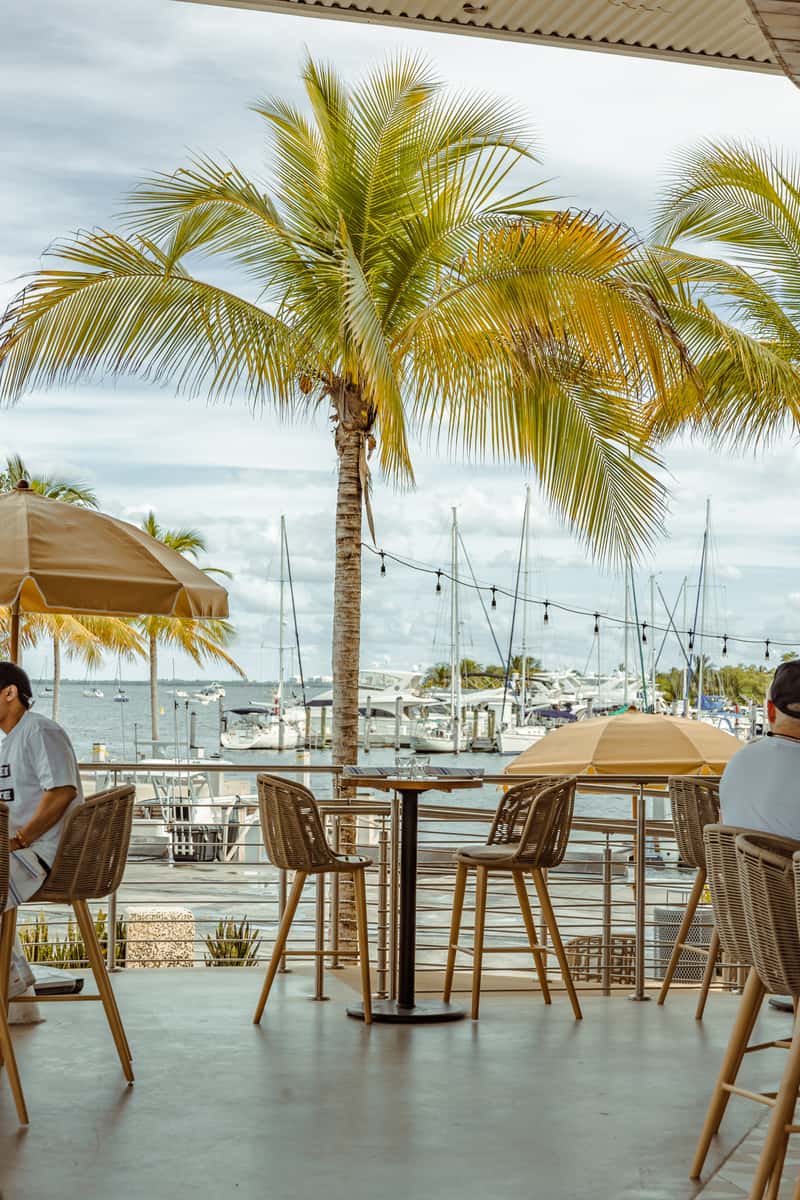
- Surrounding environment: Waterfront settings, scenic views, or distinctive architecture elevate the mood and give guests a reason to arrive early and stay longer.
- Local amenities: Nearby hotels, restaurants, and after-event gathering spots add convenience for out-of-town attendees.
A centrally located Coconut Grove venue, for instance, combines walkability with a waterfront setting that naturally puts professionals at ease. When the environment feels like a destination rather than a conference room, conversations flow more freely.
What Should You Look for in a Venue for Networking Events?
You should look for a venue that balances flexible capacity, built-in hospitality, and a layout designed for organic conversation. According to the Splash Events Outlook Report 2025, 89% of event marketers prioritize personalization in their strategies, and the right venue makes that personalization possible from the moment guests walk in.
Essential venue features to evaluate include:
- Scalable capacity: Semi-private spaces for intimate groups of 20 to 50, plus full-buyout options for larger gatherings of 150 or more.
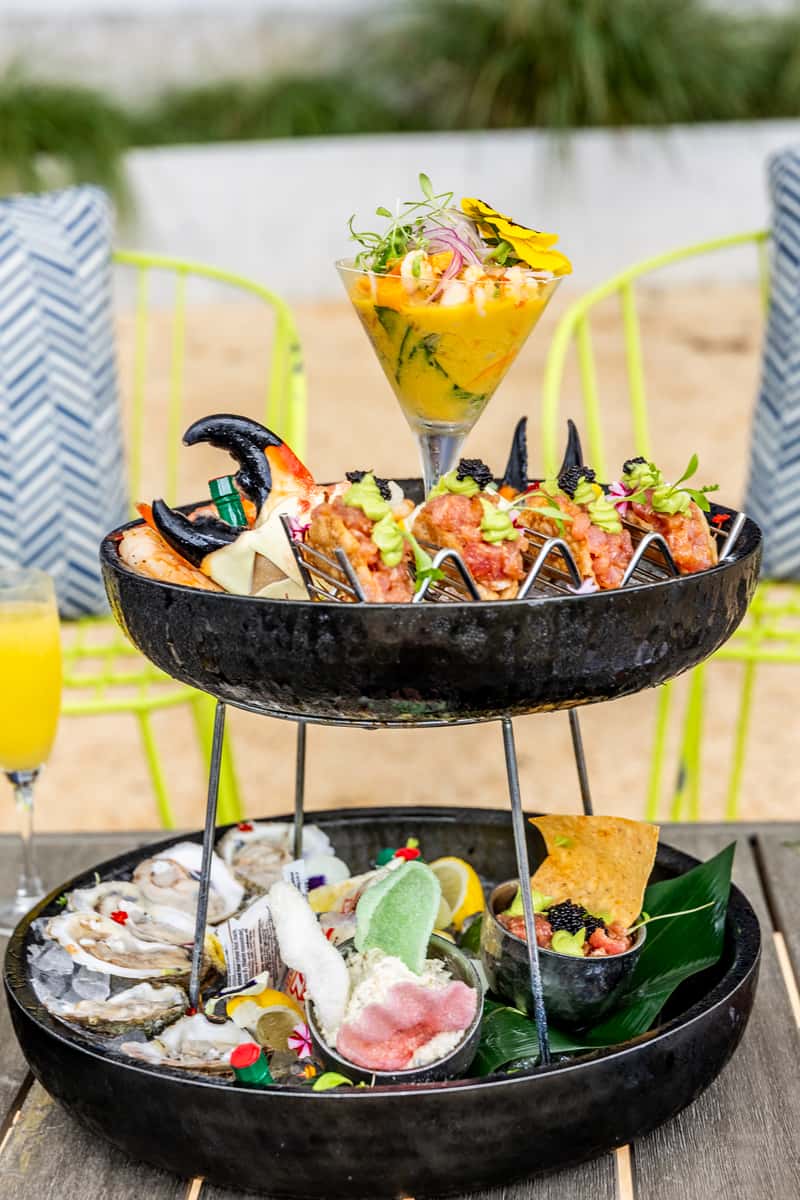
- Food and beverage integration: On-site catering with cocktail service, raw bars, or passed appetizers that keep guests mingling instead of leaving to find refreshments.
- Ambiance and design: Distinctive architectural character or waterfront views that serve as natural conversation starters.
- Flow-friendly layout: Open floor plans with defined zones for mingling, seated discussions, and breakout conversations.
For planners who want attendees genuinely connecting rather than watching the clock, a venue's hospitality infrastructure matters as much as its square footage. With venue strategy set, the next step is designing a program that keeps guests engaged.
How Can You Create an Engaging Networking Event Program?
You can create an engaging networking event program by combining structured agendas with participatory activities and interactive icebreakers. The following sections cover agenda formats that drive meaningful connections and elements that break down social barriers.
What Types of Agendas or Activities Encourage Networking?
The types of agendas or activities that encourage networking include speed networking rounds, facilitated roundtable discussions, and hands-on workshops. According to the 2024 Freeman Attendee Intent and Behavior Survey, 56% of event attendees prefer hands-on interaction or participatory activities, while 48% favor informal meetings with subject-matter experts.
Effective networking agendas balance structured and unstructured time:
- Speed networking sessions pair attendees in timed, rotating conversations that maximize the number of connections made.
- Roundtable discussions organized by industry topic give professionals a shared framework for deeper dialogue.
- Collaborative workshops encourage attendees to solve problems together, building rapport through shared effort.
- Dedicated open networking blocks between structured sessions let conversations develop organically.
Mixing these formats within a single program keeps energy high and prevents the fatigue that comes from passive, lecture-heavy schedules.
How Can You Incorporate Interactive or Icebreaker Elements?
You can incorporate interactive or icebreaker elements by designing low-pressure activities that give attendees a natural reason to start conversations. When people share a common task or prompt, the social friction of approaching strangers nearly disappears.
Practical icebreaker formats that work well at networking events include:
- Conversation starter cards placed at tables with industry-relevant discussion prompts.
- "Two truths and a lie" introductions during opening remarks to set a relaxed tone.
- Live polling or audience Q&A projected on screens, giving the room shared talking points.
- Collaborative challenges where small groups compete on a quick, relevant task.
Since 95% of event marketers now track end-to-end ROI according to Remo's 2025 industry data, building measurable engagement touchpoints into these activities also provides valuable post-event performance insights.
With your program structure in place, the right promotional strategy ensures your event reaches its target audience.
What Are the Best Approaches to Promote a Networking Event?
The best approaches to promote a networking event combine targeted digital outreach with strategic timing and personalized communication. The following sections cover which marketing channels drive registrations and how to boost RSVPs and guest engagement.
Which Marketing Channels Are Most Effective for Event Promotion?
The most effective marketing channels for event promotion are email marketing, social media, and strategic partnerships. According to Zipdo, 85% of event planners utilize email marketing as their primary channel for promoting events, making it the dominant outreach tool across the industry.
Effective promotional strategies typically layer multiple channels together:
- Email campaigns segment audiences by industry, role, or past attendance to deliver personalized invitations.
- Social media platforms like LinkedIn and Instagram generate awareness through event pages, countdowns, and speaker spotlights.
- Industry partnerships extend reach by tapping into established professional communities.
- Paid digital ads target professionals by location, job title, and interest for precise audience matching.
Because the average attendance rate for events ranges from 40% to 70%, the strength of your promotional mix directly determines turnout. For networking events in Coconut Grove, emphasizing location appeal and the venue experience within promotional content can significantly improve registration rates. Most attendees are willing to travel up to two hours for a single-day event, so geographic targeting within that radius maximizes your reach.
How Can You Encourage RSVPs and Guest Engagement?
You can encourage RSVPs and guest engagement by creating urgency, simplifying the registration process, and maintaining consistent pre-event communication. Early-bird incentives, limited-capacity messaging, and clear calls to action reduce friction between interest and commitment.
Practical tactics that drive higher RSVP rates include:
- Limited availability alerts that highlight venue capacity constraints to create scarcity.
- Simplified registration forms requiring only essential information to minimize drop-off.
- Speaker or attendee previews showcasing confirmed guests to build anticipation.
- Calendar integration links sent immediately after registration to reduce no-shows.
Timing your follow-up communication matters more than most planners realize. Since next-day follow-ups can decrease response rates by as much as 11%, spacing outreach strategically rather than flooding inboxes produces better results. A well-timed reminder sequence, sent at intervals of one week and then two days before the event, keeps registrants engaged without overwhelming them.
For planners looking to convert first-time attendees into repeat participants, post-RSVP engagement is just as critical as the initial invitation. With logistics and promotion aligned, delivering a seamless guest experience becomes the next priority.
How Can You Ensure Smooth Logistics and a Seamless Guest Experience?
You can ensure smooth logistics and a seamless guest experience by streamlining registration, optimizing check-in flow, and curating food, beverage, and ambiance that encourage conversation. The following sections cover registration essentials and how hospitality elements shape networking outcomes.
What Are Key Elements of Event Registration and Check-In?
The key elements of event registration and check-in are a user-friendly signup platform, confirmation communications, and a frictionless arrival process. Registration should capture essential attendee details, including name, company, role, and networking interests, so organizers can facilitate meaningful introductions.
Confirmation emails with clear logistics, such as parking details, dress code, and schedule, reduce day-of confusion. According to HubSpot, B2B brands achieve an average email conversion rate of 2.4%, while B2C brands see a slightly higher rate of 2.8% for driving event registrations. These benchmarks underscore why concise, action-oriented email sequences matter for maximizing signups.
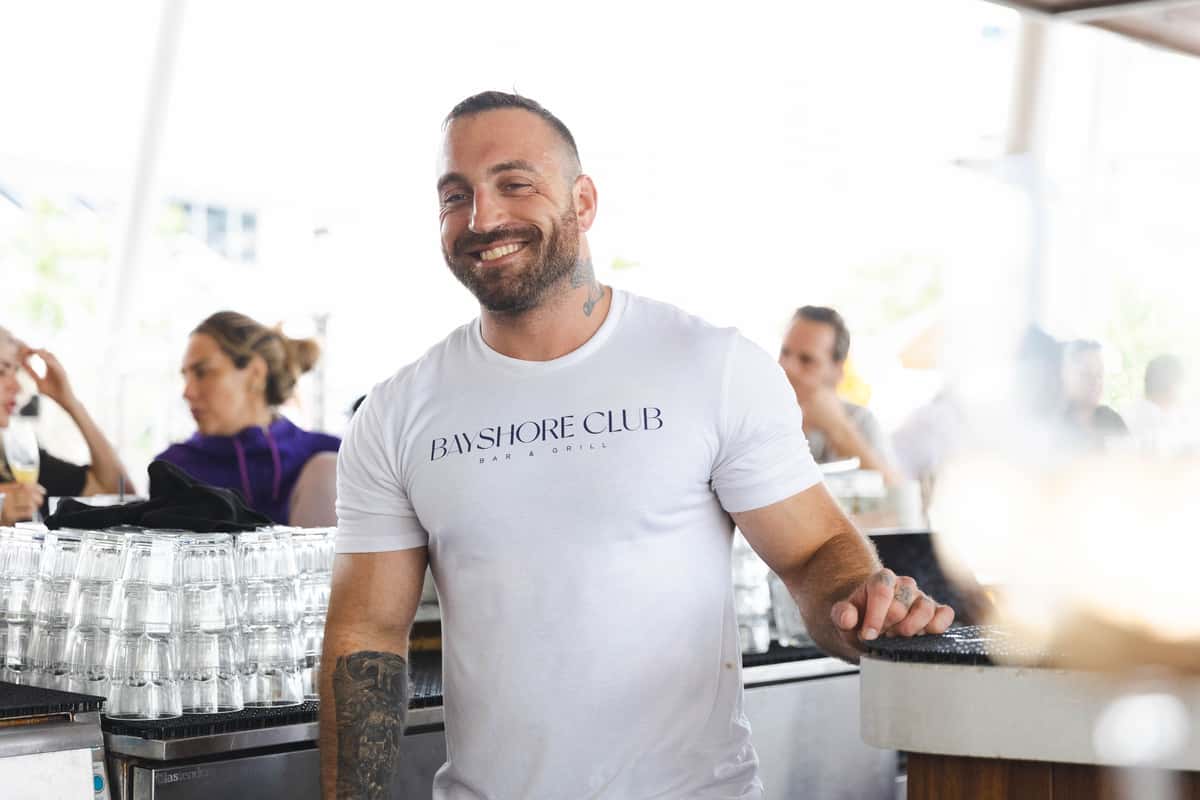
On-site check-in should minimize wait times. Pre-printed name badges with company affiliations, a dedicated greeter, and a visible welcome station help guests transition quickly from arrival to active networking.
How Do Food, Beverage, and Ambiance Influence Networking Success?
Food, beverage, and ambiance influence networking success by shaping comfort levels, conversation flow, and how long guests choose to stay. When attendees feel at ease in their surroundings, they engage more openly with new contacts.
Passed appetizers and cocktail-style service keep guests mobile, which naturally encourages mingling. Seated multi-course meals, by contrast, limit interaction to immediate tablemates. Choosing the right format depends on your event goals.
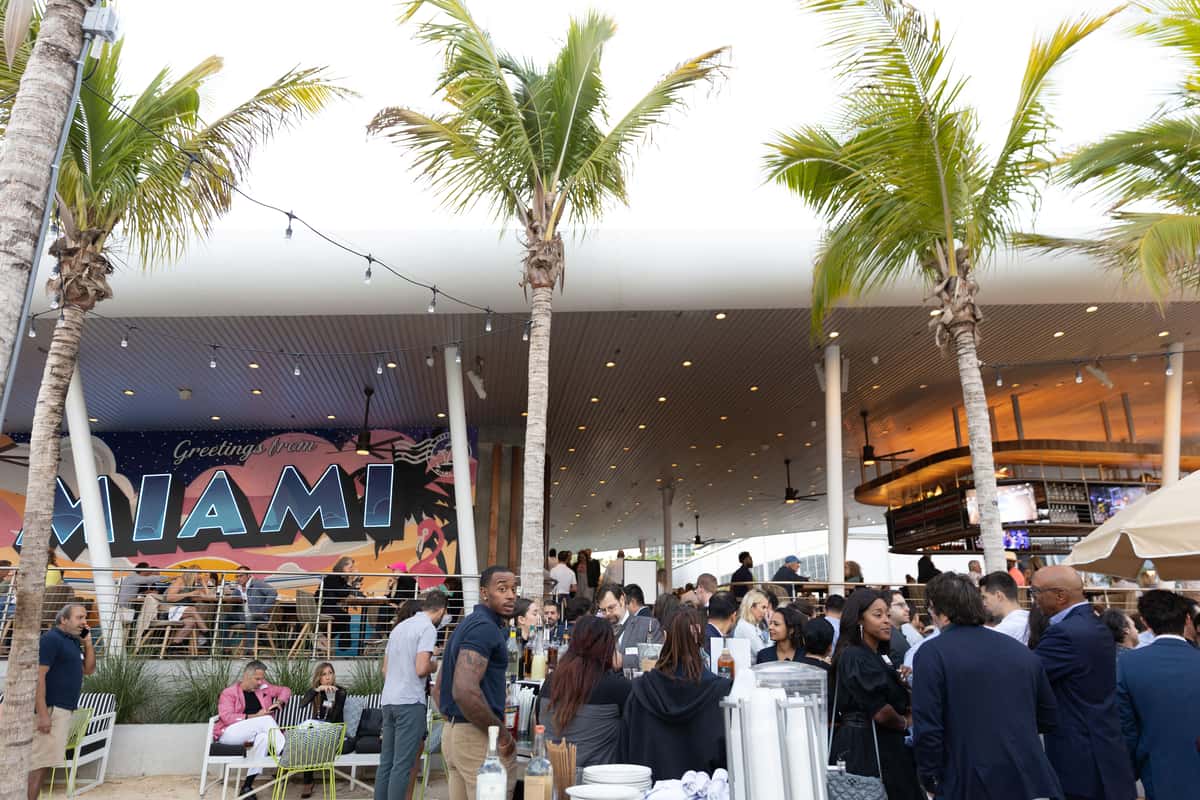
Ambient elements matter just as much as the menu. Lighting that is warm but bright enough for reading name badges, background music at a volume that permits easy conversation, and intentional furniture arrangements with standing tables all create conditions where networking happens organically. Overly loud environments or cramped layouts push attendees toward early departures.
For any networking event, treating hospitality as a strategic tool rather than an afterthought directly impacts attendee satisfaction and the quality of connections formed. With logistics and guest experience refined, post-event follow-up becomes the next priority.
How Should You Follow Up After a Networking Event?
You should follow up after a networking event by maintaining personalized connections and collecting structured feedback. According to Zippia, 74% of attendees report improved opinions of a brand after attending its in-person events, making post-event engagement essential for capitalizing on that goodwill.
What Are Effective Methods for Maintaining Connections Post-Event?
Effective methods for maintaining connections post-event include personalized email outreach, social media engagement, and scheduled one-on-one meetings. According to EventMB, 85% of event organizers cite email follow-ups as the most effective tool for converting one-time attendees into regular participants.
Timing matters, though not in the way most planners assume. A Belkins study found that next-day follow-ups can decrease response rates by as much as 11%, suggesting that a two-to-three-day window often yields stronger engagement. Referencing specific conversations from the event adds a personal touch that generic templates cannot replicate.
Key follow-up actions to prioritize include:
- Sending personalized emails that reference specific topics discussed during the event.
- Connecting on LinkedIn with a brief, customized message.
- Sharing relevant resources, articles, or introductions mentioned in conversation.
- Scheduling follow-up coffee meetings or calls within two weeks.
Consistency separates forgettable events from relationship-building platforms. A single follow-up email is a start; a sustained outreach cadence over weeks is what converts contacts into genuine professional relationships.
How Can You Collect Feedback for Future Event Improvement?
You can collect feedback for future event improvement by deploying post-event surveys, conducting attendee interviews, and analyzing engagement metrics. Short digital surveys sent within 48 hours capture impressions while the experience remains fresh.
Effective feedback collection methods include:
- Post-event surveys with a mix of scaled ratings and open-ended questions.
- Social media polls asking attendees to highlight favorite moments or suggest changes.
- Direct one-on-one conversations with key attendees and speakers.
- Tracking quantitative data such as attendance rates, session participation, and follow-up response rates.
Since 95% of event marketers now track end-to-end ROI according to Remo, feedback collection should tie directly to measurable business outcomes rather than surface-level satisfaction scores. Ask attendees what connections they made, whether the format encouraged meaningful interaction, and which elements fell flat.
From experience, the most valuable feedback often comes from open-ended questions rather than star ratings. With attendee insights guiding each iteration, every future networking event becomes sharper and more impactful.
How Can Hosting at Bayshore Club Enhance Your Networking Event in Coconut Grove?
Hosting at Bayshore Club can enhance your networking event in Coconut Grove by combining a historic waterfront setting with versatile dining options and flexible event spaces. The following sections cover how the dining experience supports networking and the key planning takeaways from this guide.
Can Bayshore Club's All-Day Dining and Brunch Services Help Create Memorable Networking Experiences?
Yes, Bayshore Club's all-day dining and brunch services can help create memorable networking experiences by providing a refined culinary backdrop that keeps guests engaged and comfortable. Bayshore Club offers semi-private dining for 20 seated or 50 cocktail guests, along with full buyout options accommodating 160 seated or 250 cocktail guests. This flexibility suits everything from intimate business mixers to large-scale professional gatherings.
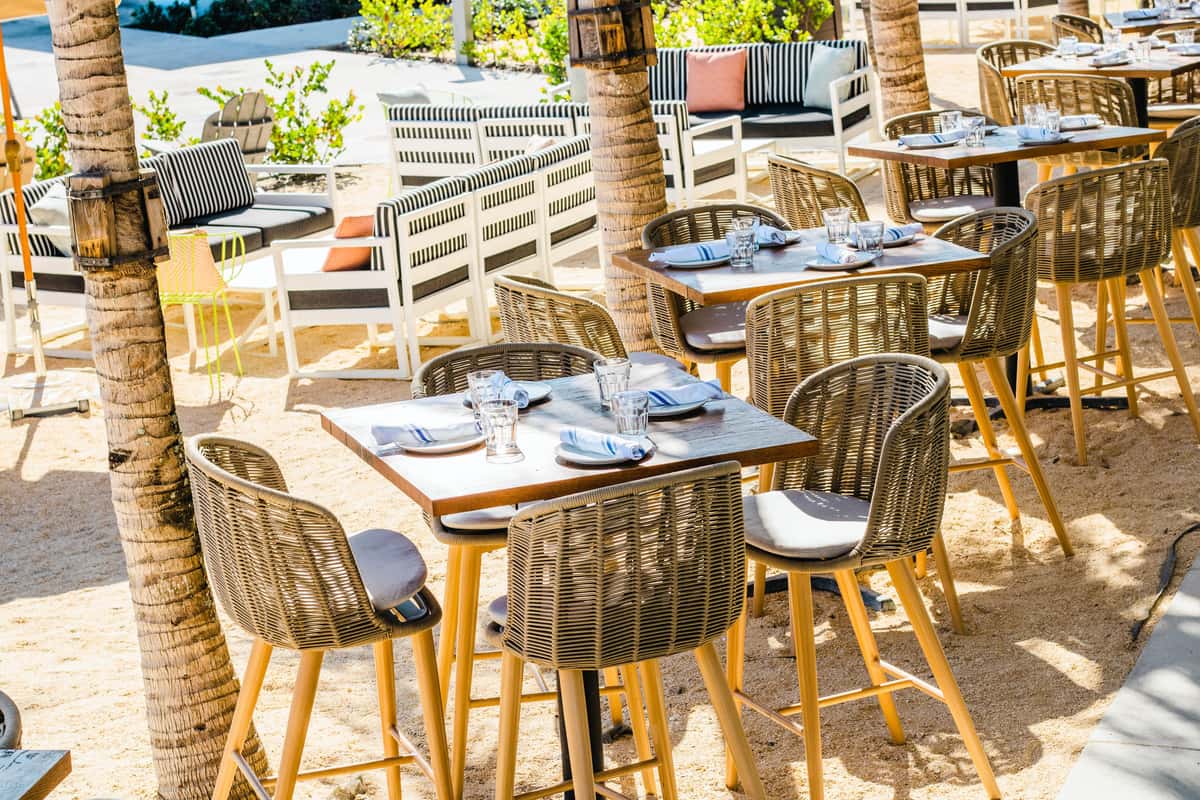
Located on the historic Dinner Key waterfront in Coconut Grove, Bayshore Club draws inspiration from the golden age of aviation, creating an atmosphere that feels like an escape. The all-day menu, brunch, happy hour from 4 PM to 6 PM, and raw bar selections give organizers multiple format options for morning, afternoon, or evening networking events. Few venues in Coconut Grove pair this level of culinary variety with waterfront ambiance, making it a strong choice for hosts who want the setting itself to spark conversation.
What Are the Key Takeaways About Tips for Planning Networking Events We Covered?
The key takeaways about tips for planning networking events covered in this guide center on five core principles:
- Define clear event goals and target a specific audience whose professional interests align with the event's purpose.
- Select a venue where location, capacity, and ambiance actively support the type of networking you want to facilitate.
- Build an engaging program that includes interactive formats, such as icebreakers and structured introductions, to encourage meaningful connections.
- Promote your event through proven channels like email marketing, and use early-bird incentives to drive RSVPs.
- Follow up strategically after the event to convert new contacts into lasting professional relationships.
According to the Splash Events Outlook Report 2025, in-person events were identified as the most effective marketing channel for generating revenue by 66% of marketers in 2024. Every planning decision, from goal-setting through post-event outreach, should reinforce that in-person advantage. Bayshore Club in Coconut Grove offers the waterfront setting, flexible event spaces, and all-day dining services to bring these principles together in one venue.