
What Is an Engagement Party
What Is an Engagement Party
An engagement party is a social celebration held after a proposal where the newly engaged couple gathers family and close friends to mark their commitment before the wedding planning process begins.
This guide covers the purpose and traditions behind engagement parties, when and where to host them, how to plan the event from budget to invitations, what to expect during the celebration itself, and how a waterfront venue in Coconut Grove can elevate the experience.
The engagement party serves a distinct social role: it introduces both families and their friend groups for the first time, building connections that ease the wedding day for everyone involved. There is no single American tradition to follow, so formats range from casual brunches to cocktail receptions with toasts.
Timing and logistics shape the celebration's success. Holding the party two to three months after the proposal, typically on a Friday or Saturday evening for two to four hours, gives guests adequate notice and spaces the event from later pre-wedding milestones like bridal showers and rehearsal dinners.
Planning involves setting a budget (most U.S. parties fall between $1,000 and $5,000), choosing a host, building a guest list limited to future wedding invitees, and sending invitations four to six weeks in advance. Menu options span passed hors d'oeuvres and family-style spreads to plated dinners, with thoughtful beverage planning that includes both alcoholic and non-alcoholic selections.
A waterfront setting adds natural ambiance, reduces the need for heavy décor, and creates ideal conditions for photography. Bayshore Club in Coconut Grove offers scalable private dining on Biscayne Bay, from semi-private gatherings of 20 to full venue buyouts for 250 cocktail guests.
Why Do Couples Host an Engagement Party?
Couples host an engagement party to publicly celebrate their commitment, introduce both families, and set the tone for the wedding journey ahead. The sections below cover common traditions and typical guest lists.
What Traditions Are Common at Engagement Parties?
The traditions common at engagement parties vary widely by culture and region, with no single standard in the United States. According to The Emily Post Institute, engagement parties "are one of the few events brides and grooms will experience for which there isn't a common American tradition to look to." A public announcement of the engagement and a toast, traditionally offered by the father of the bride, remain the most widely shared customs. Acceptable formats range from a casual brunch or picnic in a park to a catered dinner or cocktail reception. In Indian cultures, the Hindu tradition of Vagdanam dates back to Vedic ages, formalizing the betrothal between families. Gifts vary by local custom and are usually small rather than expected.
Who Is Typically Invited to an Engagement Party?
The people typically invited to an engagement party are immediate family members, close friends, and members of the future wedding party from both sides of the couple. Because this celebration serves as a first opportunity for the two families and their social circles to meet, keeping the guest list intentional matters more than making it large. As Debrett's notes, friendships forged at the engagement make the wedding day "less socially burdensome" for everyone involved, giving bridesmaids, groomsmen, and parents a chance to connect before the planning begins. One important etiquette rule: anyone invited to the engagement party should also receive a wedding invitation. For couples weighing how many to include, starting with the core circle and expanding only as the format and venue allow is the most practical approach.
With traditions and guest expectations in place, the next step is deciding when to schedule the celebration.
When Should You Have an Engagement Party?
You should have an engagement party within two to three months after the proposal, ideally on a Friday or Saturday evening. The sub-sections below cover the recommended timeline and the best time of day for the celebration.
How Soon After the Engagement Should the Celebration Take Place?
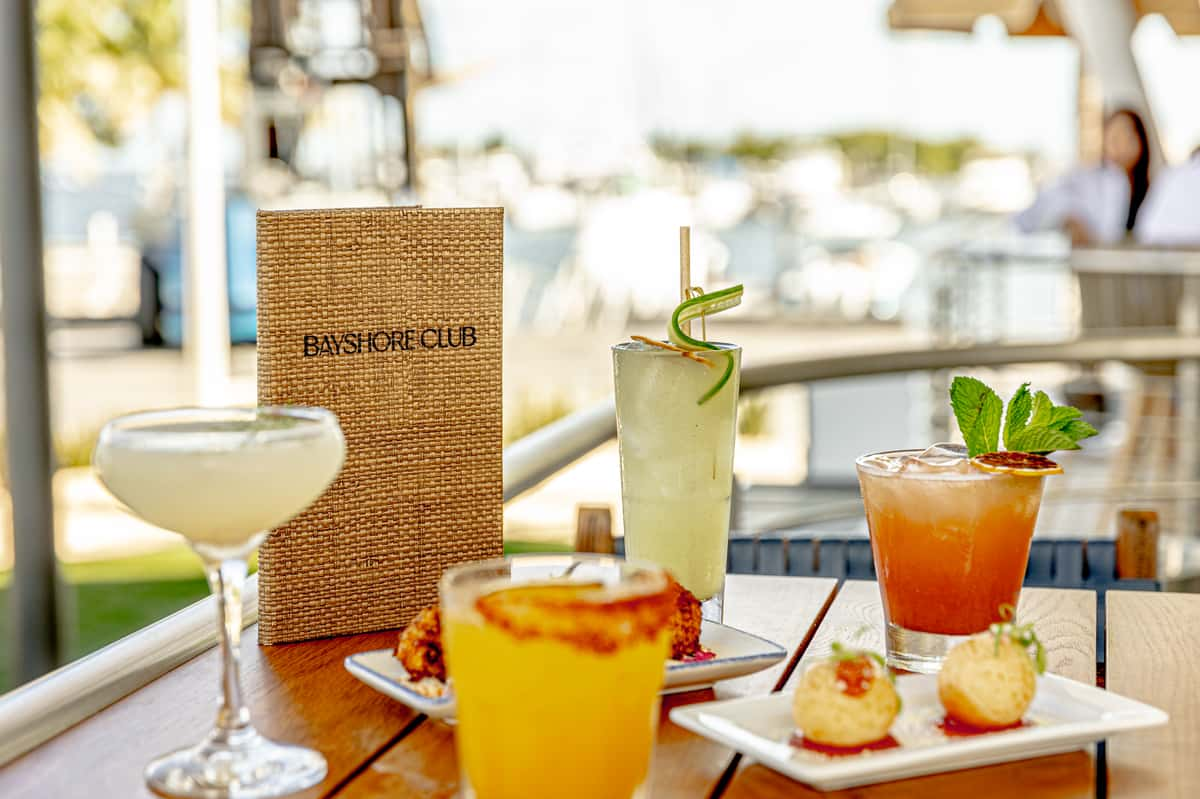
The celebration should take place two to three months after the engagement. According to Brides, Heather Lowenthal, founder of Posh Parties in Palm Beach, Florida, recommends this window and stated: "There are going to be many other festivities in your honor along the way, so it's great to spread them out."
Waiting at least a few weeks gives both families time to share the news before receiving a formal invitation. Hosting too early can feel rushed, while waiting too long risks overlapping with bridal showers or rehearsal dinner planning. Send invitations four to six weeks before the event so guests can arrange schedules and travel. For the strongest turnout, avoid major holidays such as Thanksgiving, Christmas, or Valentine's Day.
What Time of Day Is Best for an Engagement Party?
The best time of day for an engagement party is Friday or Saturday evening. According to Paperless Post, these evenings are preferred because most guests will not have to work the next day, and a typical engagement party lasts two to four hours.
An evening cocktail format, starting around 6 or 7 p.m., works well because it naturally sets a celebratory tone without requiring a full sit-down dinner. Brunch or afternoon formats suit smaller, more casual gatherings, though they may limit the number of guests who can attend midday. Evening events also pair naturally with waterfront settings, where sunset views add atmosphere without extra decor costs. Choosing the right time of day ultimately shapes your venue options, menu style, and overall budget.
Where Can You Host an Engagement Party?
You can host an engagement party at a variety of locations, from private homes and parks to restaurants, bars, and waterfront venues. The right choice depends on guest count, budget, and the atmosphere you want to create.
How Do You Choose the Perfect Venue?
You choose the perfect venue by matching the space to your guest count, formality level, and budget. Start by confirming how many people will attend, since capacity determines which locations are realistic options.
Key factors to evaluate include:
- Guest count and layout: Determine whether you need seated dining, cocktail-style standing room, or a mix of both.
- Budget alignment: Venue costs vary widely. Great Event's 2026 industry guide estimates party venues at $50 to $275 per hour and event spaces at $175 to $550 per hour, with catering, décor, and alcohol service often charged separately.
- Amenities and logistics: Consider parking, accessibility, kitchen access, sound equipment, and whether the venue handles catering in-house.
- Atmosphere: A backyard gathering sets a casual tone, while a waterfront restaurant creates a more polished, memorable setting.
Couples who lock down venue details early gain more flexibility for every other planning decision.
What Should You Consider When Hosting at a Restaurant or Bar?
You should consider private dining capacity, minimum spend requirements, menu flexibility, and beverage package options when hosting at a restaurant or bar. These venues handle food preparation, service staff, and cleanup, which simplifies planning considerably.
Before booking, confirm these specifics:
- Semi-private vs. full buyout: Some restaurants offer sectioned-off areas for smaller groups, while full buyouts accommodate larger celebrations.
- Food and beverage minimums: Many venues require a minimum spend rather than a flat rental fee, so clarify what counts toward that total.
- Menu customization: Ask whether the kitchen can accommodate dietary restrictions and whether you can choose from set packages or build a custom menu.
- Alcohol service: Verify whether the venue provides a hosted bar, consumption-based billing, or packaged tiers for beer, wine, and cocktails.
Restaurants with established event programs remove much of the logistical burden that comes with hosting at a private residence or rented space. For couples in Coconut Grove, a waterfront restaurant adds scenic value that elevates the celebration beyond a standard dinner.
How Do You Plan an Engagement Party?
You plan an engagement party by setting a budget, choosing a host, selecting a venue, and sending invitations at least one month ahead. The steps below cover the essential planning sequence, budget ranges, and hosting etiquette.
What Steps Should You Follow for a Successful Event?
The steps you should follow for a successful engagement party are:
- Set a date. Schedule the celebration two to three months after the engagement to space it from later wedding events.
- Confirm the host. Decide whether parents, close friends, or the couple will organize the gathering.
- Establish a budget. Define spending limits for venue, catering, drinks, and décor before booking anything.
- Choose a venue. Match the location to guest count, formality, and available amenities such as seating, kitchen access, and bar options.
- Build the guest list. Include only people who will also receive a wedding invitation.
- Send invitations. Mail or send digital invites at least one month in advance; allow six weeks if guests need to travel.
- Plan food, drinks, and entertainment. Coordinate the menu, beverages, and any activities or toasts.
- Confirm food safety logistics. Disclose common allergens to guests and ensure perishables stay within safe temperature ranges throughout the event.
Starting early prevents scheduling conflicts with holidays and gives vendors adequate lead time, particularly for popular venues in South Florida.
How Should You Set a Budget for an Engagement Party?
You should set a budget for an engagement party by determining your guest count first, then allocating funds across venue, catering, beverages, and décor. According to Paperlust's 2026 planning guide, typical engagement party budgets range from $1,000 to $5,000 for most U.S. parties, while small at-home gatherings run $200 to $800.
Key budget categories to allocate include:
- Venue hire: Hourly fees or minimum-spend requirements vary widely by location and format.
- Catering and beverages: Often the largest line item, especially for plated or stationed service.
- Décor and flowers: Scaled to venue size and personal style.
- Invitations: Digital options reduce this cost significantly.
- Entertainment: Live music, games, or photo activities.
For couples considering a venue-hosted celebration in Miami, marketplace data from Tagvenue lists engagement party minimum spends ranging from $1,000 to $7,500 per event. Locking in the guest count early is the single most effective way to control total cost, since nearly every other expense scales directly from headcount.
Who Should Plan and Host the Engagement Party?
The engagement party is traditionally hosted by the bride's parents, according to Martha Stewart's etiquette guide. However, modern hosting has become more flexible. Close friends, siblings, other relatives, or even the engaged couple can organize the celebration.
Several practical factors shape the hosting decision:
- Budget responsibility: The host typically covers costs, though splitting expenses between families is increasingly common.
- Guest list access: Hosts need contact information for both families and friend groups.
- Venue coordination: Whoever hosts manages vendor communication, timelines, and logistics.
- Timing authority: The host sets the date, ideally avoiding major holidays such as Thanksgiving, Christmas, or Valentine's Day.
Only about 18.54% of couples plan an engagement party at all, based on Zola's First Look Report 2023 data. Because the event is less universal than rehearsal dinners or receptions, there is no rigid protocol for who must take the lead. The best host is simply the person with the time, budget, and enthusiasm to execute the celebration well.
With the planning framework in place, the next step is deciding what should actually happen during the party itself.
What Should Happen at an Engagement Party?
An engagement party should include a mix of entertainment, mingling time, and heartfelt toasts that celebrate the couple. The sections below cover popular activities and speech etiquette.
What Activities or Entertainment Are Popular for Engagement Parties?
Popular activities or entertainment for engagement parties include interactive games, live music, and themed experiences that keep guests mingling. According to Vogue's list of 17 unique engagement party ideas, hosts can create a carnival night where guests play games, win prizes, and enjoy nostalgic fair treats. Other well-received options include:
- Photo booths with props themed around the couple's story
- Trivia games about how the couple met
- Live bands that set a celebratory tone
- A "how well do you know the couple" quiz for guests
The best entertainment encourages conversation between both families and friend groups, since many guests may be meeting for the first time. For couples planning a Coconut Grove celebration, choosing a format that complements the setting, whether waterfront cocktails or a seated dinner with live music, makes the event feel cohesive rather than forced.
Should You Include Special Speeches or Toasts?
Yes, you should include special speeches or toasts at an engagement party. Toasts are one of the most customary elements of the celebration. A public announcement and toast, traditionally by the father of the bride, remain common at engagement parties across formats. According to Junebug Weddings, speakers should keep it casual and aim for one to two minutes in length.
A simple toast order works well:
- The host welcomes guests and introduces the couple.
- A parent or close family member shares a brief, warm toast.
- The couple thanks everyone for attending.
Keeping speeches short prevents the evening from feeling overly formal. The goal is genuine warmth, not a rehearsal for wedding-day remarks. Well-timed toasts set the emotional tone for the entire event without overshadowing the relaxed atmosphere most couples want.
With the celebration's flow established, choosing the right food and drinks becomes the next planning priority.
What Food and Drinks Are Served at Engagement Parties?
Food and drinks served at engagement parties range from passed hors d'oeuvres and cocktail receptions to plated dinners and family-style spreads. The menu depends on format, guest count, and venue. Below, we cover how to customize menus and whether alcohol is appropriate.
How Can Menus Be Customized for the Occasion?
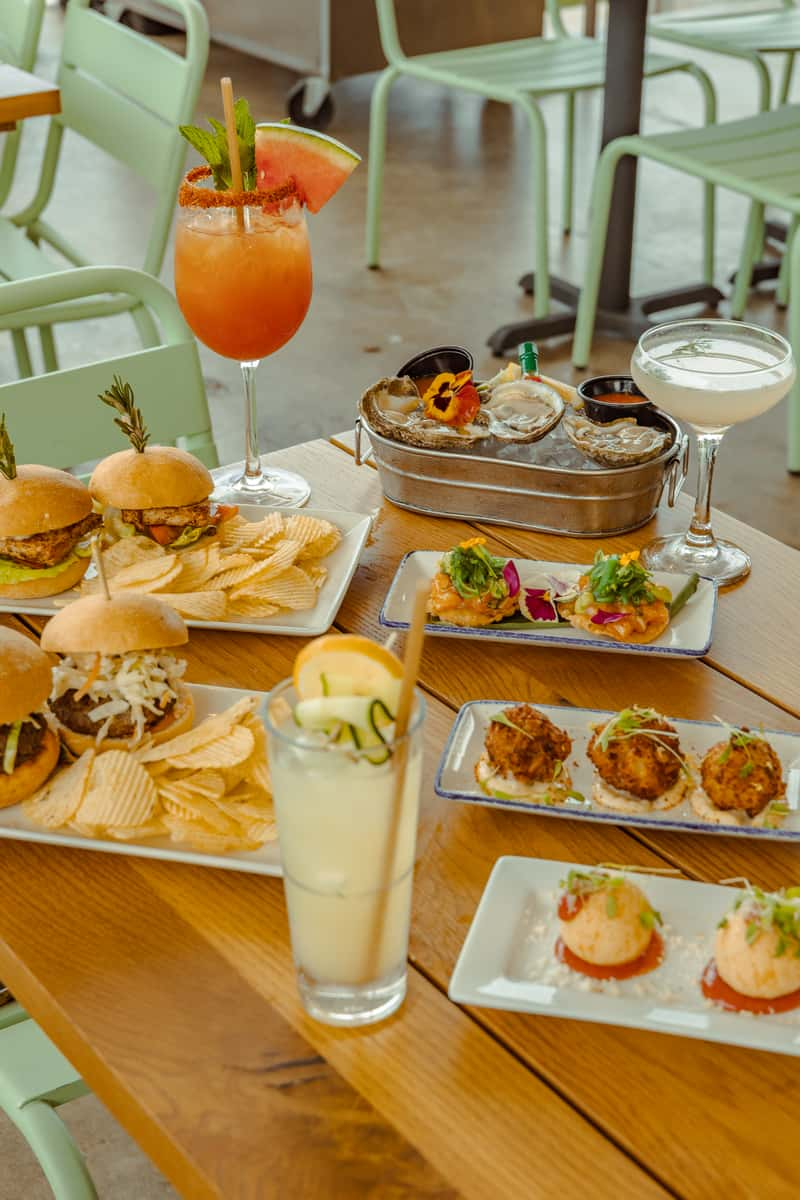
Menus can be customized for the occasion by matching the food style to the party's format, guest dietary needs, and cultural preferences. A cocktail reception might feature passed appetizers and live cooking stations, while a seated dinner calls for multi-course plating or shareable family-style dishes.
Customization starts with practical decisions:
- Choose a service format: tray-passed bites, buffet, plated courses, or chef-attended stations.
- Accommodate dietary restrictions, including the nine major U.S. food allergens identified by the FDA (milk, eggs, fish, shellfish, tree nuts, peanuts, wheat, soybeans, and sesame).
- Incorporate seasonal or locally inspired ingredients; South Florida hosts often lean into Caribbean and Latin flavors.
- Add interactive elements such as DIY bars, raw bars, or dessert stations to encourage mingling.
The National Restaurant Association's 2026 What's Hot Culinary Forecast identifies comfort food with global influences, health-forward options like protein-boosted dishes and smoothie bowls, and the rise of low- and no-alcohol beverages as leading trends. For a Coconut Grove celebration, pairing these trends with waterfront ambiance creates a menu guests remember long after the toast.
Is It Appropriate to Serve Alcohol at an Engagement Party?
Yes, it is appropriate to serve alcohol at an engagement party, and most celebrations include wine, beer, or a signature cocktail. However, hosts should also offer compelling non-alcoholic options.
When alcohol is served in Florida, compliance matters. Florida Statutes §562.11 states that a person may not sell, give, serve, or permit to be served alcoholic beverages to anyone under 21 years of age. Hosting at a licensed venue like a restaurant simplifies this responsibility, since the establishment already holds a liquor license and trained staff.
Thoughtful beverage planning also means including guests who prefer not to drink. Low- and no-alcohol beverages are among the fastest-growing categories in hospitality, making craft mocktails and alcohol-free pairings a welcome addition rather than an afterthought. Offering both options signals inclusivity without diminishing the celebratory atmosphere.
With the menu and drinks planned, the next step is deciding what guests should wear.
What Should Guests Wear to an Engagement Party?
Guests should wear attire that matches the dress code specified on the invitation or suits the venue and time of day. The following subsection covers key etiquette guidelines for choosing the right outfit.
Are There Etiquette Guidelines for Attire?
Yes, there are etiquette guidelines for attire at an engagement party. The invitation typically signals the expected dress code, whether casual, cocktail, dressy casual, or formal. When no dress code is stated, guests should consider the venue type and time of day. A daytime brunch calls for lighter, relaxed outfits, while an evening celebration at a waterfront restaurant warrants smart cocktail attire. Guests should avoid wearing white or anything that could overshadow the couple. According to The Wedding Playbook, "What should we wear?" ranks among the most common engagement party planning questions couples and guests ask. When in doubt, slightly overdressing is always safer than underdressing.

Understanding dress expectations prepares guests; knowing what the invitation should say helps hosts set those expectations clearly.
How Should You Word Engagement Party Invitations?
Engagement party invitations should include the essential event details, the couple's names, and a clear indication of the celebration's purpose. The following subsection covers exactly what information belongs on every invitation.
What Information Must Be Included on the Invitations?
The information that must be included on engagement party invitations covers the couple's full names, the host's name, the date, the start time, the venue name with full address, and an RSVP deadline with contact method. According to Paperless Post, invitations are sent four to six weeks ahead of the event.
Beyond these essentials, specify the dress code and party format so guests can prepare appropriately. Including a brief line such as "Join us to celebrate the engagement of [names]" removes any ambiguity about the occasion. For waterfront venues, a note about outdoor seating or weather considerations helps guests plan their attire. Omitting the wedding date from the invitation is standard etiquette, since wedding details belong on a separate save-the-date.
Clear, complete invitations reduce last-minute questions and set the right tone before guests ever arrive.
How Do Engagement Parties Differ from Other Pre-Wedding Events?
Engagement parties differ from other pre-wedding events in purpose, guest list, and formality. Unlike showers or rehearsal dinners, they celebrate the couple's commitment without structured gift-giving or wedding-party obligations. The following section clarifies what sets them apart.
What Makes Them Unique Compared to Bridal Showers or Rehearsal Dinners?
Engagement parties are unique compared to bridal showers or rehearsal dinners because they serve as the first social celebration after a proposal, welcoming both families and mixed-gender friend groups without the obligation of gifts or wedding-party roles.
Bridal showers carry a different social function. A 2002 study by Beth Montemurro in Symbolic Interaction characterized the bridal shower as "a ritual of obligation" grounded in tradition, giving women "the opportunity to express care and support for other women as members of a gender community." That obligation-centered, gender-specific format contrasts sharply with the open, low-pressure tone of an engagement party.
Rehearsal dinners, by comparison, occur the night before the wedding and typically include only the wedding party, immediate family, and out-of-town guests. Their purpose is logistical: reviewing ceremony details and thanking participants.
Key differences include:
- Guest scope: Engagement parties include a broad circle; rehearsal dinners are limited to the wedding party and close family.
- Timing: Engagement parties happen weeks or months after the proposal; rehearsal dinners take place the evening before the ceremony.
- Gift expectations: Engagement parties carry no gift requirement; bridal showers center on gift-giving.
- Formality: Engagement parties range from casual cocktails to seated dinners; rehearsal dinners follow a more structured format.
For couples planning multiple pre-wedding events, understanding these distinctions helps avoid guest fatigue and keeps each celebration purposeful.
How Can a Waterfront Setting Enhance an Engagement Party Experience?
A waterfront setting can enhance an engagement party experience by providing natural scenery, open-air ambiance, and a memorable backdrop that elevates the celebration beyond a standard indoor venue. Below, we explore the specific advantages scenic waterfront locations offer.
What Are the Advantages of Celebrating at a Scenic Venue?
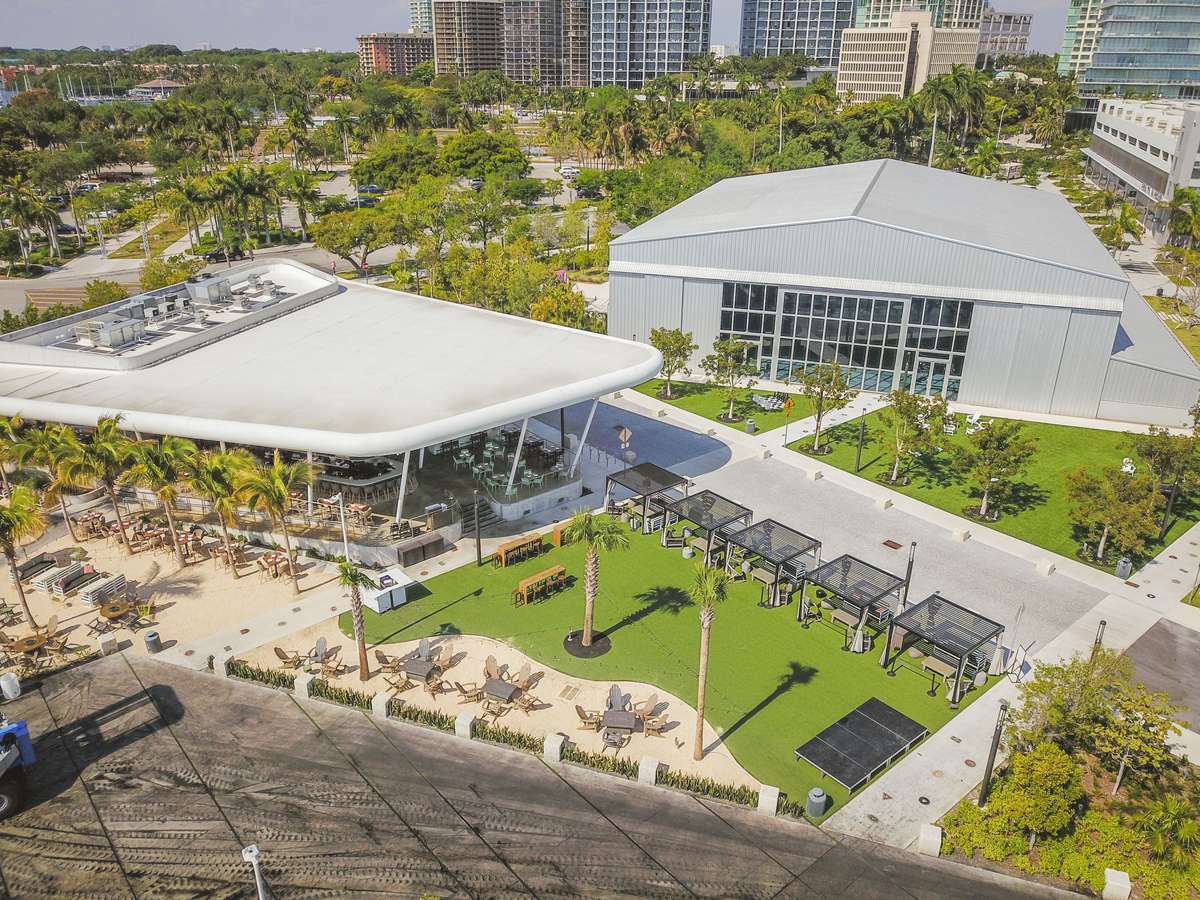
The advantages of celebrating at a scenic venue include a naturally dramatic backdrop, built-in ambiance, and flexible indoor-outdoor event flow. Waterfront views reduce the need for heavy décor because the landscape itself sets the tone. According to a May 2026 testimonial published by the Annapolis Waterfront Hotel, one couple noted that "the stunning waterfront views" created "the perfect atmosphere" for their celebration, while a separate 2022 testimonial highlighted the patio setup, weather contingency planning, and overwhelmingly positive guest response as practical benefits.
Open water and natural light also create ideal conditions for photography, giving couples golden-hour portraits without requiring off-site shoots. For engagement parties specifically, this relaxed yet elevated atmosphere helps both families mingle comfortably in a setting that feels special without the formality of the wedding day itself.
With waterfront advantages in mind, choosing the right venue in Coconut Grove brings these benefits closer to home.
How Can Bayshore Club Help You Host an Unforgettable Engagement Party in Coconut Grove?
Bayshore Club can help you host an unforgettable engagement party in Coconut Grove by offering waterfront private dining with flexible capacity, a travel-inspired atmosphere, and a location steeped in aviation history. The sections below cover specific services and key takeaways.
What Engagement Party Services Does Bayshore Club Offer for Waterfront Celebrations?
Bayshore Club offers engagement party services for waterfront celebrations that include semi-private dining for up to 20 seated or 50 cocktail guests and full venue buyouts accommodating 160 seated or 250 cocktail guests. Located on the historic Dinner Key site in Coconut Grove, the venue pairs Biscayne Bay views with a sophisticated, travel-inspired atmosphere built around the legacy of Pan American World Airways.
Couples planning a Coconut Grove celebration benefit from choosing a licensed restaurant venue, which simplifies coordination around catering, beverages, and compliance. For context, the City of Miami requires special-event applications at least 30 days before events of up to 250 persons, with Coconut Grove applicants paying a supplementary fee. Hosting at an established venue like Bayshore Club typically streamlines these logistics. Final pricing, availability, and event details should be confirmed directly with Bayshore Club's events team.
What Are the Key Takeaways About What Is an Engagement Party We Covered?
The key takeaways about what is an engagement party are that this celebration serves as the first formal opportunity for families and friends to come together after a proposal, with flexible formats ranging from casual cocktail gatherings to seated waterfront dinners.
- An engagement party introduces both families and friend groups before the wedding planning process begins.
- Timing works best two to three months after the proposal, typically on a Friday or Saturday evening, lasting two to four hours.
- Budgets for most U.S. parties range from $1,000 to $5,000, though smaller gatherings can cost less.
- Hosting responsibility is flexible; parents, friends, or the couple themselves can organize the event.
- Guest lists should only include people who will receive a wedding invitation.
- Coconut Grove venues like Bayshore Club offer waterfront settings with scalable private dining options, making them well suited for engagement celebrations of varied sizes.
For couples ready to start planning, Bayshore Club's events team can walk through capacity, menu options, and availability for a personalized waterfront engagement party in Coconut Grove.