
What It Feels Like to Dine Steps From the Water
What It Feels Like to Dine Steps From the Water
Dining steps from the water is a multisensory experience where sight, sound, temperature, and emotion converge to transform a meal into a lasting memory. Water's presence triggers higher positive affect and greater perceived restorativeness, which is why waterfront tables remain among the most requested seats in any restaurant.
This guide covers the sensory and psychological dimensions of waterside dining, the practical differences between indoor and outdoor waterfront settings, how restaurant design and menu curation deepen the connection to the water, the historic significance of Dinner Key and its role in shaping Bayshore Club, and ways to make the most of a waterfront visit in Coconut Grove.
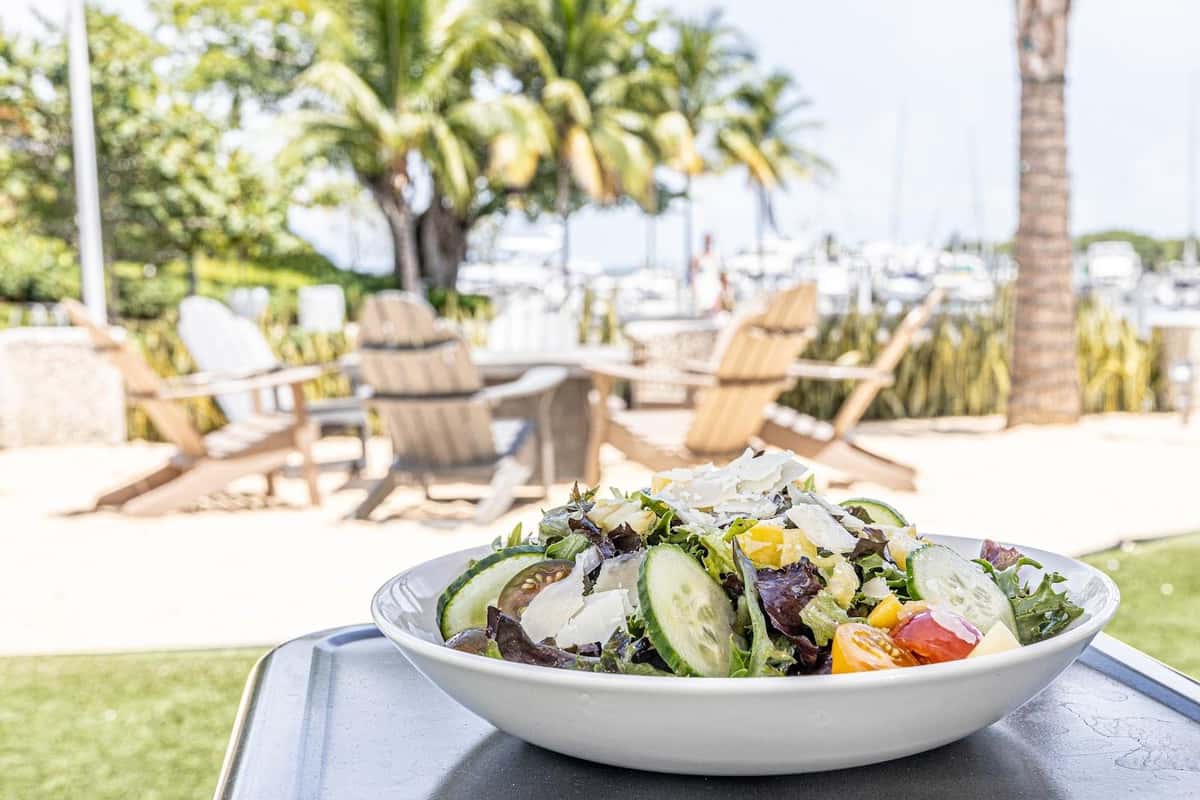
The sensory layer begins the moment you sit down. Gentle bay breezes, the rhythmic lap of water against the dock, and warm ambient lighting at sunset all work together to lower stress and elevate mood. These environmental cues also shape how you remember the meal long after you leave.
Choosing between open-air and covered seating changes the experience considerably. Retractable walls, shaded terraces, and carefully calibrated lighting allow waterfront restaurants to maintain comfort across South Florida's shifting weather without sacrificing the view.
Thoughtful design and a water-inspired menu amplify the setting further. Fresh seafood, raw bar selections, and coastal cocktails reinforce the connection to the bay, while intentional layout and warm lighting draw the eye toward the horizon.
Bayshore Club sits at the historic Dinner Key site in Coconut Grove, where Pan American Airways once launched its famous Clipper flights. That aviation-era heritage, paired with direct Biscayne Bay access, gives the restaurant a sense of place that goes beyond scenery. All-day dining, seasonal events, and boat-side arrival complete a waterfront experience rooted in both history and the present moment.
How does dining by the waterfront enhance the sensory experience?
Dining by the waterfront enhances the sensory experience by engaging sight, sound, touch, and even smell simultaneously. The subsections below explore the distinct sensory elements of waterside settings and how proximity to water measurably influences mood.
What sights and sounds are unique to waterfront dining?
The sights and sounds unique to waterfront dining include shifting light on open water, passing sailboats, shorebirds calling overhead, and the rhythmic lap of waves against a seawall. These elements layer together in ways no interior design can replicate. A gentle bay breeze adds a tactile dimension; according to a 2024 study published in Sustainability, the optimal wind speed for thermal comfort in waterfront dining spaces is 0.8–1.5 m/s, striking a balance between ventilation and comfort. At a spot like Bayshore Club in Coconut Grove, the panorama of Biscayne Bay provides a constantly changing visual backdrop, from golden afternoon light to the glow of marina lanterns after sunset.
How does the ambiance of being near water affect your mood while dining?
The ambiance of being near water positively elevates mood while dining. A 2010 study in the Journal of Environmental Psychology found that both natural and built scenes containing water were associated with higher preferences, greater positive affect, and higher perceived restorativeness ratings, with consistently large effect sizes. Water's calming visual rhythm and ambient sound lower mental fatigue, creating a sense of ease that shapes how diners perceive every course. This restorative quality also strengthens memory formation. Research published in the International Journal of Gastronomy and Food Science shows that enjoying the final dish positively affects emotional memory after the dining experience, demonstrating a recency effect. In practical terms, a well-paced waterfront meal that builds toward a satisfying finish leaves a deeper emotional imprint than the same dishes served in a windowless room.
For diners drawn to these sensory rewards, understanding why waterside settings hold such universal appeal adds further context.
Why do people seek out waterside dining experiences?
People seek out waterside dining experiences because water triggers deep emotional responses and creates lasting memories. The sections below explore the nostalgic connections diners form near water and how proximity to it elevates special occasions.
What emotional or nostalgic connections do people have to dining by the water?
The emotional connections people have to dining by the water are rooted in memory, sensory atmosphere, and personal meaning. Water settings create a powerful backdrop that imprints meals into long-term memory.
According to research published in Frontiers in Psychology, food-related memories have a significant impact on people's emotional state and how that state is projected in subsequent evaluations of experiences. A waterfront meal becomes more than dinner; it becomes a reference point tied to how someone felt in that moment.
Pleasant atmospherics also play a direct role, with well-designed dining environments helping customers feel more relaxed and happier. When those atmospherics include the sound of waves and the sight of open water, the emotional imprint deepens. For many guests, returning to a waterfront table recalls not just the food but the people, the light on the water, and the sense of calm that surrounded the evening.
How does proximity to the water influence special occasions or romantic meals?
Proximity to the water influences special occasions by amplifying the emotional weight of the experience. A 2010 study published in the Journal of Environmental Psychology found that both natural and built scenes containing water were associated with higher preferences, greater positive affect, and higher perceived restorativeness ratings, with consistently large effect sizes.
That restorative quality is precisely what makes waterfront settings ideal for milestones: anniversaries, proposals, birthdays, or quiet celebrations between two people. The water provides a natural focal point that draws attention outward, easing conversational pressure while intensifying the sense of shared experience. Couples often remember where the table faced and what the sky looked like, not just what they ate.
For anyone planning a meaningful evening in Coconut Grove, understanding the connection between water and atmosphere helps explain why certain meals feel unforgettable. That same principle shapes how restaurants design their spaces to deepen the guest experience.
What are the differences between indoor and outdoor waterfront dining?
The differences between indoor and outdoor waterfront dining come down to atmosphere, weather exposure, and sensory immersion. Each option shapes the meal in distinct ways, from lighting and comfort to how closely you connect with the water itself.
How does weather impact the enjoyment of dining by the water?
Weather impacts the enjoyment of dining by the water significantly, influencing everything from guest comfort to restaurant operations. According to Restaurant Business Online, more than half of restaurant operators have been affected by extreme weather, a number expected to increase with climate change. In South Florida, afternoon rain showers and summer heat are realities that waterfront venues must address. Motorized retractable walls and shaded terraces provide effective weather protection for outdoor waterfront dining spaces, allowing guests to remain comfortable without sacrificing the view. For most diners, a covered waterfront seat that stays breezy during a passing storm actually heightens the experience rather than diminishing it.
What are the pros and cons of open-air versus covered waterfront seating?
The pros and cons of open-air versus covered waterfront seating depend on personal preference, accessibility needs, and conditions that day. Key trade-offs include:
- Open-air seating delivers unobstructed views, natural breezes, and full sensory immersion in the waterfront setting.
- Covered seating provides shade, rain protection, and more consistent comfort across weather conditions.
- Open-air tables leave diners exposed to direct sun, sudden rain, and temperature swings.
- Covered areas may partially limit sightlines or reduce natural airflow.
According to a study in the Journal of Built Environment, accessible waterfront spaces require shade structures for sun protection, non-slip surfaces, and seating with back support for comfort. Venues that offer both options give guests the flexibility to choose based on the moment, which is the most practical approach for coastal dining.
How do restaurant design and decor deepen the connection to the waterfront?
Restaurant design and decor deepen the connection to the waterfront through intentional layout, lighting, and thematic elements that frame the water as a central feature. The sections below explore how atmosphere and heritage-inspired design shape the experience.
In what ways can lighting and layout enhance the waterside atmosphere?
Lighting and layout enhance the waterside atmosphere by orienting sightlines toward the water and using warm, low-level illumination that complements natural light reflecting off the surface. Strategic table placement matters enormously; according to Cornell Hospitality Review research, approximately 65% of restaurant guests specifically request certain tables, creating competitive pressure in waterfront establishments.
Thoughtful layout positions seating to maximize unobstructed views while maintaining comfortable spacing. When paired with warm lighting tones, the effect draws the eye outward toward the bay rather than inward toward the dining room. For any waterfront venue, the layout should treat the water view as the primary design element, not an afterthought.

How does the Bayshore Club's aviation-era theme integrate with its waterfront setting?
Bayshore Club's aviation-era theme integrates with its waterfront setting by drawing directly from the site's history as a Pan American World Airways seaplane base. According to the Pan American Historical Foundation, the original Dinner Key terminal interior featured ceiling panels depicting zodiac signs, beams decorated with stylized wings and Pan American colors, and murals illustrating the history of flight from Leonardo da Vinci to modern Clipper planes.
This heritage gives the space a narrative depth that purely coastal themes cannot replicate. The golden age of aviation and Biscayne Bay are inseparable at this location, since the Clipper flying boats launched from these very waters. Bayshore Club channels that spirit of departure and adventure, turning a meal into something that feels like the start of a journey rather than just dinner by the bay.
With design rooted in both water and history, the menu further shapes what waterfront dining feels like.
What type of menu can you expect when dining steps from the water?
The type of menu you can expect when dining steps from the water centers on fresh seafood, vibrant cocktails, and raw bar selections. These elements define the waterfront dining identity.
How does the availability of fresh seafood play into the waterfront dining experience?
The availability of fresh seafood plays into the waterfront dining experience by anchoring the entire meal in a sense of place. Waterfront restaurants lean into their proximity to the source, offering dishes that feel connected to the water just beyond the table. According to National Restaurant Association research, waterfront restaurants command 15–25% higher menu prices than comparable inland establishments, justified by scenic value, experiential enhancement, and operational costs.
That premium reflects a genuine expectation: diners sitting beside the bay anticipate seafood that tastes as fresh as the setting suggests. Raw oysters, ceviche, and whole fish preparations carry more weight when served within sight of the water they came from. For any waterfront venue, seafood is not just a menu category; it is the credibility of the entire experience.
What role do cocktails and raw bar selections have in creating a vacation feel?
Cocktails and raw bar selections have a central role in creating a vacation feel because they slow the pace of a meal and shift it toward leisure. A chilled cocktail paired with freshly shucked oysters signals relaxation before an entrée ever arrives. This combination transforms a dinner reservation into something closer to a coastal escape, even on a weeknight.
At Bayshore Club in Coconut Grove, the raw bar and cocktail program are designed to evoke exactly this state of mind. Sipping a well-crafted drink while watching boats glide across Biscayne Bay collapses the distance between a regular evening and a genuine getaway. For guests seeking that feeling, these selections are often more memorable than the main course itself.
Understanding how the menu complements the setting leads naturally to the stories embedded in the place itself.
How does the history of Dinner Key add meaning to the Bayshore Club experience?
The history of Dinner Key adds meaning to the Bayshore Club experience by grounding every meal in a narrative of adventure, innovation, and Miami's aviation golden age. The stories behind Pan American Airways and the site's layered past are explored below.
What are the stories behind the site's Pan American Airways heritage?
The stories behind the site's Pan American Airways heritage begin with Dinner Key itself, originally an island connected to the mainland in 1914 that became the first continental naval air station during World War I. By the 1930s, the site had transformed into one of the world's largest airports, with massive hangars housing flying boats and a lavish terminal rivaling the amenities of luxury yachts.
The Pan American World Airways terminal at Dinner Key was designed by architects Delano and Aldrich in the Streamline Moderne style and dedicated on March 25, 1934, according to the Pan American Historical Foundation. Inside, ceiling panels depicted zodiac signs while murals traced the history of flight from Leonardo da Vinci to modern Clipper planes. That original terminal building was added to the National Register of Historic Places in 1974 and restored in 2002 to reveal its Art Deco details; it now serves as Miami City Hall. Bayshore Club sits on this same storied ground, drawing direct inspiration from the era when travelers departed these shores for destinations across the Caribbean and Latin America.
How does historical context elevate the overall dining atmosphere?
Historical context elevates the overall dining atmosphere by transforming a meal from a simple outing into a layered, multisensory experience. When a space carries authentic stories, guests perceive their surroundings differently; the architecture, the views, and even the ambient sounds take on narrative weight.
Atmosphere depends on more than decor alone. A study published in the Journal of Culinary Science & Technology found that the comfortable range for sound pressure levels in fine dining environments is 62 to 67 dBA, with appropriate music at comfortable volume increasing dining pleasure, return behavior intentions, and overall satisfaction. At Bayshore Club, the aviation-era theme is not a superficial overlay. It connects guests to the same waterfront where Clipper planes once taxied, lending a sense of occasion that purely modern venues struggle to replicate. That kind of authenticity is difficult to manufacture, and it is what separates a memorable evening from a forgettable one.
With the site's heritage setting the stage, knowing how to plan your visit helps you experience it fully.
How can you make the most of your visit to a waterfront restaurant like Bayshore Club?
You can make the most of your visit by timing your arrival, choosing seating strategically, and exploring special programming. The following tips and event highlights help maximize every moment on the water.
What tips help ensure a memorable waterfront dining experience?
The tips that help ensure a memorable waterfront dining experience center on timing, seating, and mindful engagement with the setting. Arriving during golden hour lets you catch sunset light reflecting off Biscayne Bay, which naturally heightens the sensory atmosphere. Request waterfront seating when you reserve, since approximately 65% of restaurant guests specifically request certain tables, according to Cornell Hospitality Review research.
Beyond logistics, how you engage during the meal matters. Discussing the food with your companions, rather than scrolling through your phone, actually strengthens the memory you form. Ordering a strong final course also helps; research confirms a recency effect where the last dish shapes your lasting emotional impression. For the best experience at Bayshore Club, slow down and let the water, the aviation-era surroundings, and the cuisine work together.
Are there special events, happy hours, or brunches to try at Bayshore Club?
There are special events, happy hours, and brunches to try at Bayshore Club throughout the week. Happy hour runs from 4 PM to 6 PM, offering a relaxed window to enjoy drinks with a Biscayne Bay backdrop. Weekend brunch provides an all-day dining experience with fresh seafood from the raw bar and crafted cocktails.
Bayshore Club also features live bands, adding a layer of energy that complements the waterfront setting. These curated moments, whether a weekday happy hour or a leisurely weekend brunch, create the kind of atmosphere that transforms a simple meal into something closer to a vacation state of mind. Checking current event schedules before your visit ensures you arrive at the right time for the experience you want.
With these strategies in place, Bayshore Club's unique Coconut Grove setting brings the full waterfront experience together.
How does Bayshore Club offer a unique take on the waterfront dining experience in Coconut Grove?
Bayshore Club offers a unique take on the waterfront dining experience in Coconut Grove by combining all-day dining, a dedicated raw bar, and aviation-era ambiance on the historic Dinner Key waterfront. Below, we explore how these elements come together and recap the key feelings that define waterside dining.
How does Bayshore Club's all-day dining and raw bar enhance a waterfront visit?
Bayshore Club's all-day dining and raw bar enhance a waterfront visit by giving guests the freedom to arrive on their own schedule and pair fresh seafood with uninterrupted Biscayne Bay views. Whether stopping in for brunch, happy hour from 4 PM to 6 PM, or a late dinner, the format removes rigid timing constraints that limit most waterfront restaurants. The raw bar anchors the experience in coastal cuisine, reinforcing the sense of place that makes waterside meals feel distinct. According to National Restaurant Association research, waterfront restaurants command 15–25% higher menu prices than comparable inland establishments, justified by scenic value and experiential enhancement. At Bayshore Club, that premium translates into live bands, a 300-seat waterfront setting, and boat-side access through Bayshore Landing Marina.
What are the key takeaways about what it feels like to dine steps from the water we covered?
The key takeaways about what it feels like to dine steps from the water are rooted in how profoundly water shapes mood, memory, and sensory engagement. Our draw to waterfront settings runs deep; research published in the Environmental Psychology Research Archive notes that early humans attracted to aquatic environments with fresh water supplies were more likely to survive, suggesting an evolutionary basis for the calm we feel near water. Conversation amplifies the effect. A study in the International Journal of Gastronomy and Food Science found that when diners were distracted from the meal by communicating with companions about the food, it had a positive effect on long-term emotional episodic memory. Even weather plays a role, as rainy-day transitions from outdoors to a warm interior can heighten psychological comfort. Bayshore Club channels all of these dynamics into one location, turning a meal in Coconut Grove into something that lingers well after the last bite.