
Why Location Is Part of the Experience, Not an Afterthought
Why Location Is Part of the Experience, Not an Afterthought
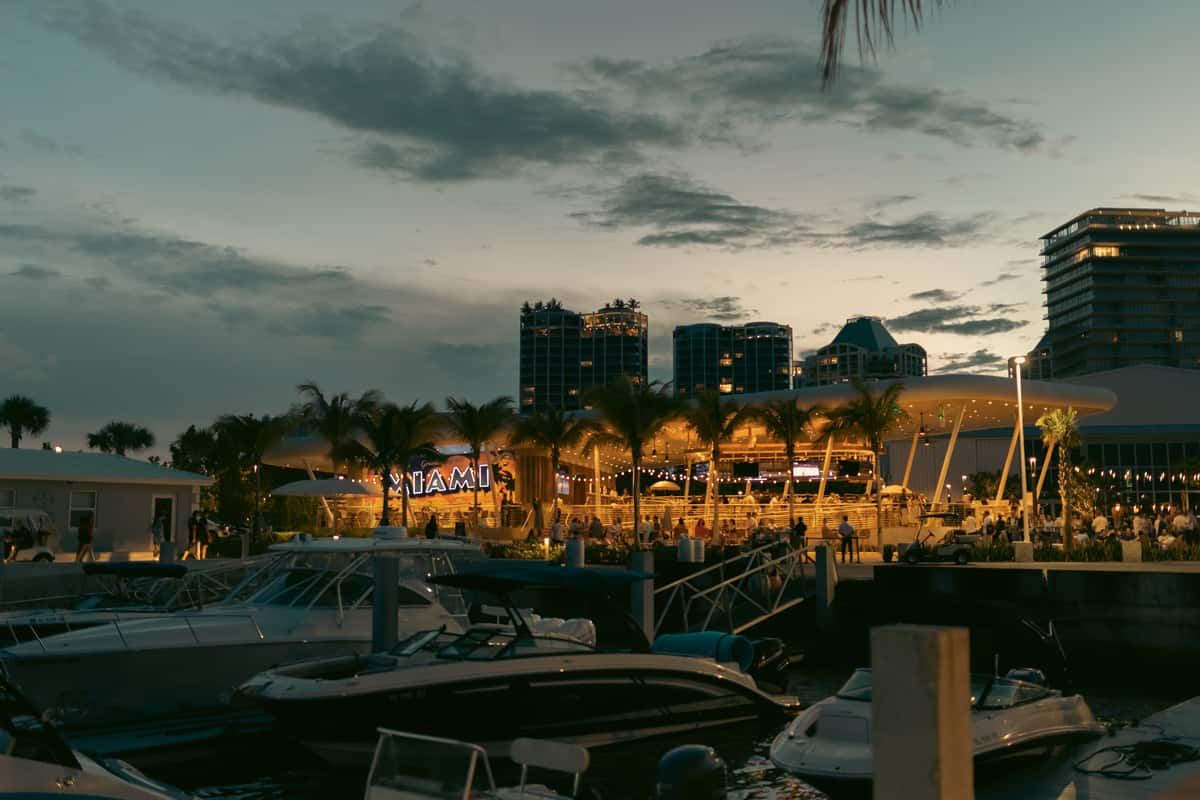
Location is a foundational element of any hospitality experience, shaping how guests feel, what they remember, and why they return. It influences dining outcomes as directly as the food itself by establishing the emotional and sensory context of the meal.
We explore how waterfront settings influence mood and satisfaction, how a site's history adds layers of meaning, how surroundings create lasting memories, how location reflects brand identity, and how place connects to culinary enjoyment.
Waterfront environments trigger measurably stronger positive emotions than other settings. Blue-dominated spaces outperform green spaces in arousing feelings of calm and pleasure, which translates directly into guest satisfaction. Proximity to water sets an emotional baseline before a single dish arrives.
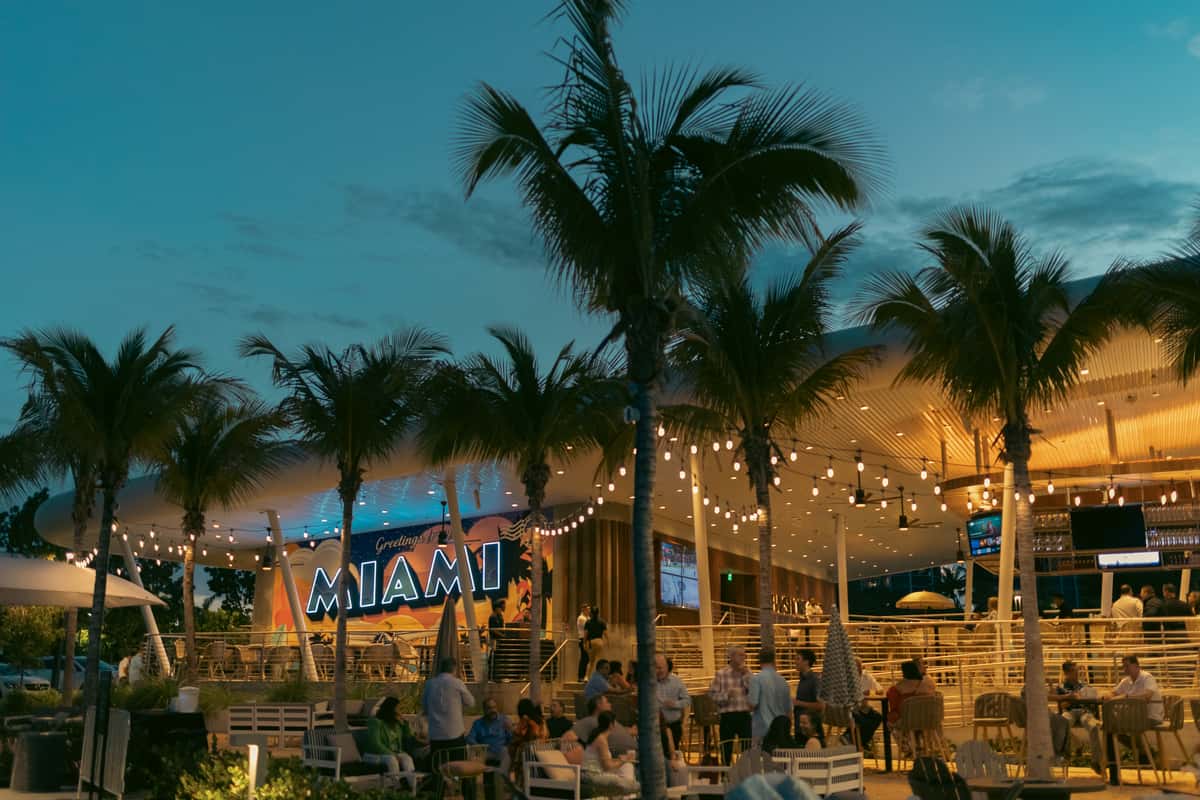
Bayshore Club sits on the historic Dinner Key site in Coconut Grove, where Pan American World Airways launched its flying boat operations in 1934. That aviation heritage is woven into the architecture of newly restored hangars, giving the space a narrative depth that generic restaurant locations simply cannot replicate.
Emotional events encode more deeply into memory than neutral ones. A celebration framed by bay views and warm evening light becomes a story guests retell; the setting itself becomes inseparable from the occasion. Guests increasingly seek dining destinations that feel like escapes from routine.
Brands built around a specific place generate outsized loyalty. When a restaurant's identity is rooted in its geography, every detail (the light, the breeze, the local ingredients) reinforces a coherent promise that guests recognize and trust.
Sensory experiences of local cuisine drive emotional connection to a destination. Fresh, place-specific ingredients tie flavor to geography, while panoramic views prime the palate. At Bayshore Club, the Coconut Grove waterfront, all-day dining, and a raw bar anchored in coastal tradition turn location into the experience itself.
How Does a Waterfront Setting Influence the Overall Dining Experience?
A waterfront setting influences the overall dining experience by engaging the senses beyond the plate, turning a meal into an immersive event. The following sections explore the atmosphere water views create and how proximity to water shapes guest mood.
What Distinct Atmosphere Does a Waterfront View Provide to Guests?
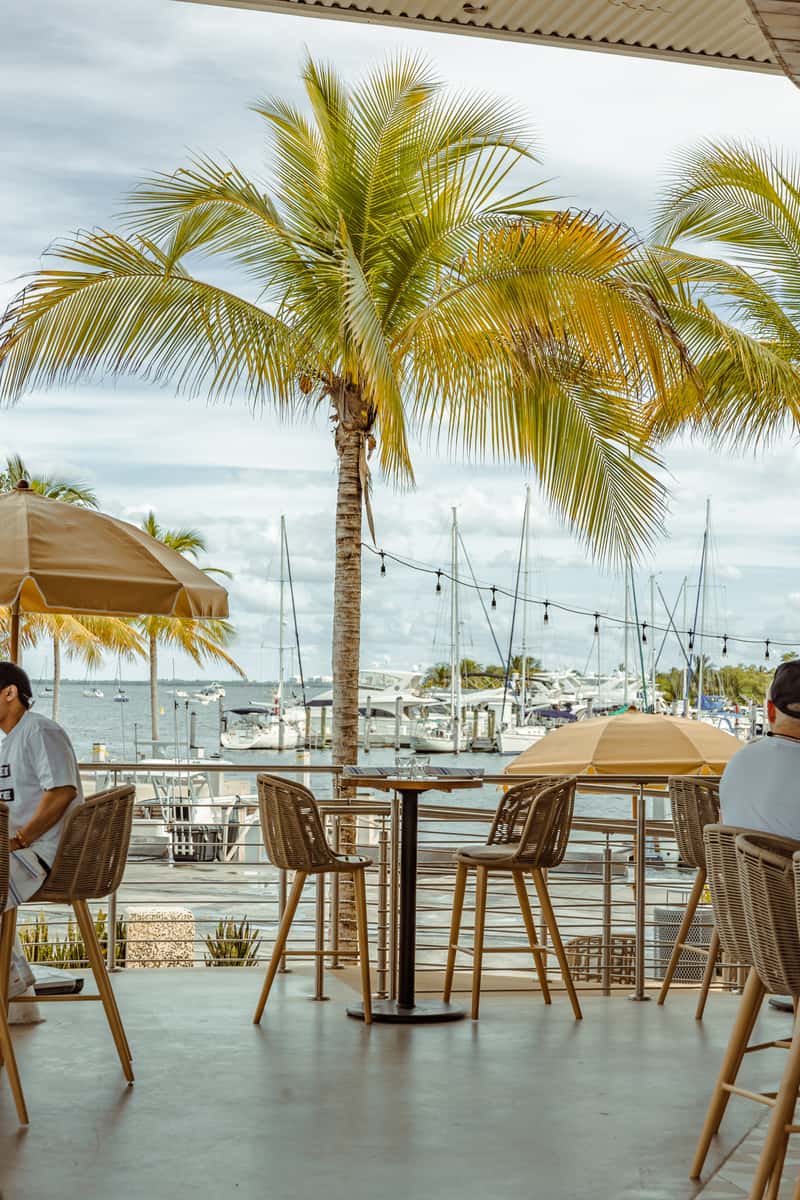
A waterfront view provides guests with a multisensory environment that no interior design alone can replicate. Natural light reflecting off the water, open sightlines across the bay, and the ambient sounds of a working waterfront create layers of sensory input that elevate a meal from routine to memorable.
According to the Bank of America Institute, consumer spending per household on dining out increased by 3.3% year-over-year in early 2026, outpacing the 2.6% rise in overall household spending. That widening gap signals something important: diners are actively choosing to spend more on experiences, not just food. A waterfront atmosphere delivers exactly the kind of experiential value that justifies that shift in spending behavior.
For a venue like Bayshore Club in Coconut Grove, the Biscayne Bay backdrop is not decoration; it is a core ingredient of the experience itself.
In What Ways Does Water Proximity Affect Guest Mood and Satisfaction?
Water proximity affects guest mood and satisfaction by triggering measurable emotional and psychological responses. Research published by MDPI found that blue-dominated spaces arouse positive emotions more effectively than green-dominated or co-dominated environments, while simultaneously inducing fewer negative emotions. Being near water, in other words, is not just pleasant; it actively shifts emotional states in a favorable direction.
This translates directly into hospitality outcomes. According to Fluence Corporation, research on water-related sustainability measures in hotels indicates that these features increase guest willingness to return and willingness to pay more. When guests associate a setting with calm, openness, and natural beauty, satisfaction deepens beyond the quality of any single dish.
For most waterfront venues, this psychological advantage is the single hardest asset for competitors to replicate. With the global hospitality market projected to grow from $5.52 trillion in 2025 to $5.82 trillion in 2026, driven by consumers who place greater emphasis on the overall experience, venues that harness the emotional power of water proximity hold a distinct edge in guest retention and perceived value.
Why Does the History of a Location Enhance Its Appeal?
The history of a location enhances its appeal by layering emotional depth and narrative onto a physical space. Below, two key dimensions explore this: Dinner Key's aviation heritage at Bayshore Club and the power of nostalgic design elements.
How Does Dinner Key's Aviation Heritage Shape the Bayshore Club Experience?
Dinner Key's aviation heritage shapes the Bayshore Club experience by grounding every visit in a story that stretches back nearly a century. The Dinner Key seaplane terminal in Miami officially opened on March 25, 1934, establishing a base for Pan American World Airways' flying boat operations. According to HistoryNet, Pan American purchased 14 Sikorsky S-43 twin-engine flying boats in 1934, which became a staple of the terminal's operations during the golden age of aviation.
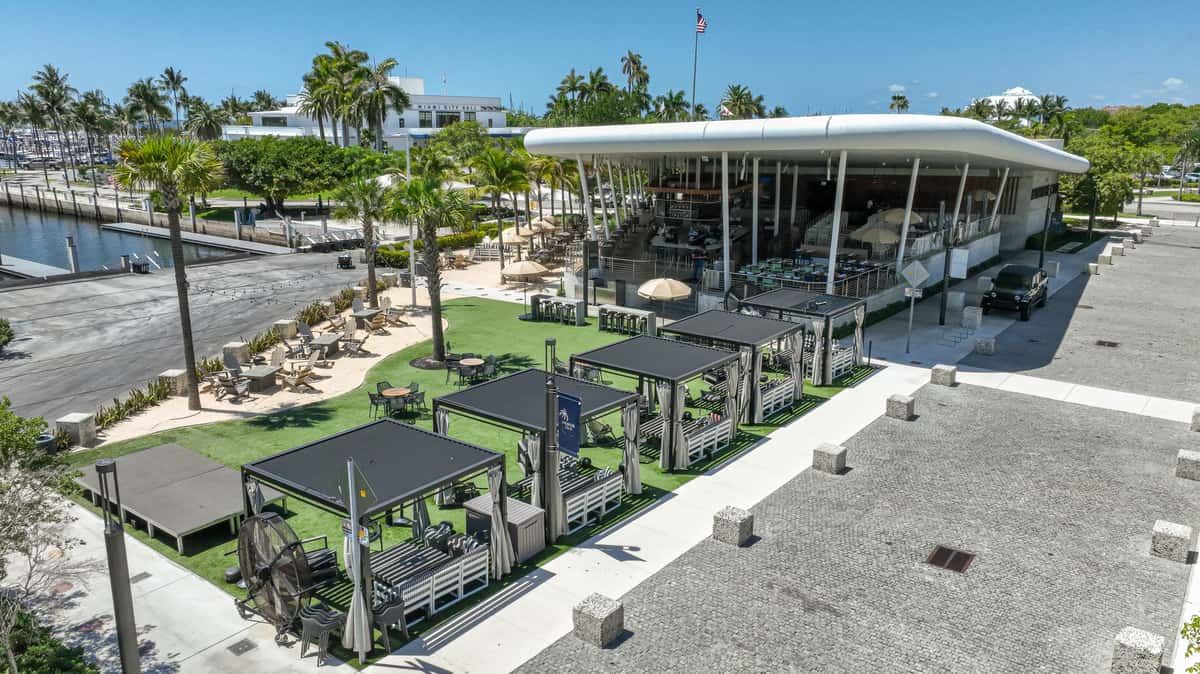
Bayshore Club occupies newly restored hangars from that era, transforming functional aviation architecture into a dining destination. Rather than merely referencing the past through decor, the building itself is the artifact. This tangible connection to early transoceanic flight gives guests something most restaurants cannot offer: a sense of place that predates them by generations, making the experience feel earned rather than manufactured.
How Do Nostalgic Elements Transform a Restaurant Visit?
Nostalgic elements transform a restaurant visit by shifting the experience from transactional to emotional. When design details, architectural features, or thematic cues reference a recognizable era, they activate personal and cultural memory, deepening engagement beyond the plate.
At Bayshore Club, the golden age of flight serves as this emotional anchor. Restored hangar structures, Art Deco references visible in the neighboring Miami City Hall (the original terminal building), and a brand identity built around early aviation all work together to evoke a spirit of adventure. Guests are not simply eating in a themed space; they are occupying a place where history physically occurred. That authenticity is what separates meaningful nostalgia from decoration, and it is often the detail guests remember long after the meal ends.
With historical context established, the next section examines how ambiance and surroundings actively shape memory-creating moments.
How Do Ambiance and Surroundings Impact Memory-Creating Moments?
Ambiance and surroundings impact memory-creating moments by intensifying the emotional weight of an experience, making it more likely to be encoded as a lasting memory. Setting and sensory immersion shape celebrations, while destination-quality environments satisfy the desire for escape.
What Role Does Setting Play in Celebrations and Special Occasions?
Setting plays a central role in celebrations and special occasions because it anchors the emotional context of the event. According to research published in Frontiers in Psychology, "the evaluation of fluency, complexity, and naturalistic patterns of an architectural masterpiece is achieved through the sensory-emotional immersion of the guest," directly linking hospitality architecture to memory formation.
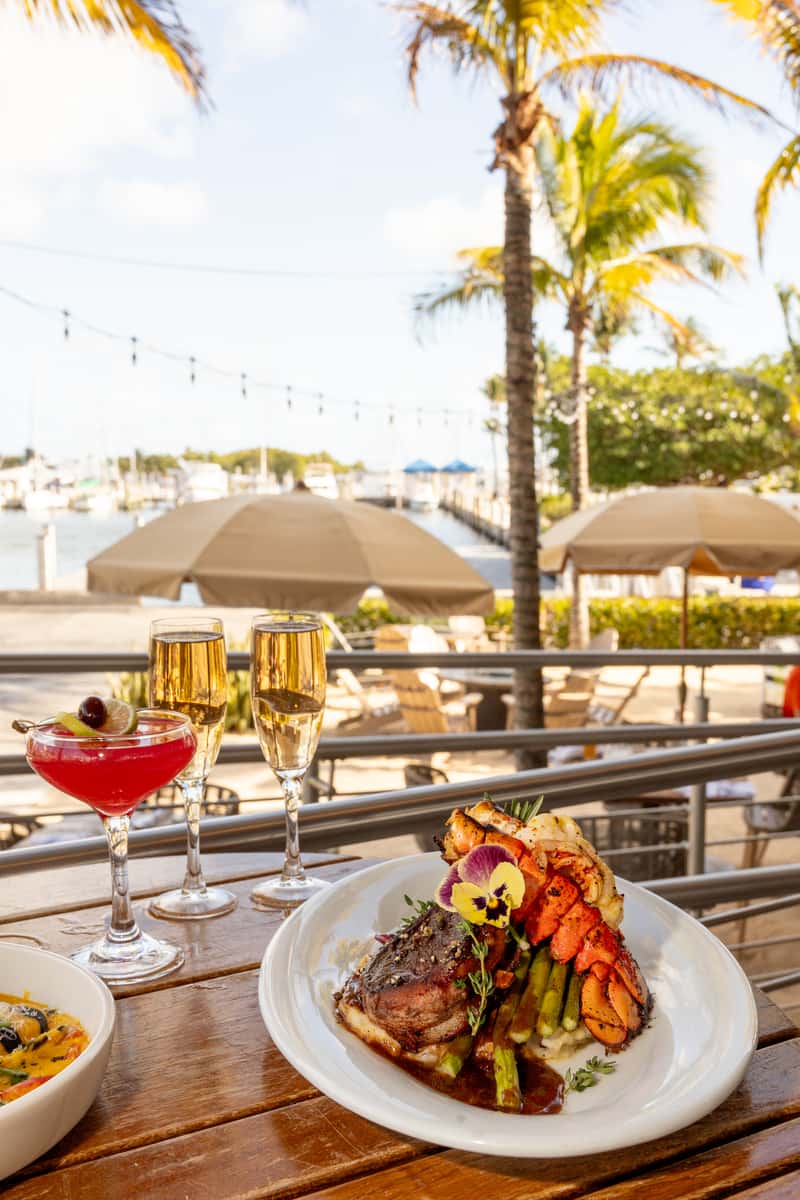
A birthday dinner surrounded by waterfront views and restored aviation-era architecture carries a different emotional charge than the same meal in a generic dining room. The setting becomes part of the story people retell. Neuromarketing research confirms this principle: emotional events are encoded more deeply in memory than neutral ones, which means the more distinctive the environment, the stronger the imprint it leaves on guests.
Why Do Guests Seek Out Destinations That Feel Like Getaways?
Guests seek out destinations that feel like getaways because everyday routines create a psychological need for contrast and novelty. Spaces that evoke a sense of escape activate stronger positive emotional responses, and those emotions drive both memory formation and repeat visits.
Waterfront settings are particularly effective at delivering this feeling. Research published in MDPI found that blue-dominated spaces arouse stronger positive emotions than green-dominated or mixed environments, while simultaneously reducing negative emotional responses. This explains why guests gravitate toward venues where water, open sky, and natural light converge.
For many visitors, a place like Coconut Grove already carries associations with leisure and exploration. A venue built within that context does not need to manufacture the getaway feeling; it simply needs to honor it. Understanding how setting shapes memory leads naturally to how brands embed location into their core identity.
How Can Location Selection Reflect a Brand's Identity and Values?
Location selection reflects a brand's identity and values by anchoring its story, aesthetic, and purpose to a specific place. The examples below show how setting becomes inseparable from brand meaning.
What Are Examples of Brands Built Around Their Unique Setting?
Examples of brands built around their unique setting include coastal restaurants, aquarium-adjacent venues, and heritage sites where the physical environment defines the guest experience. Rick Stein's Seafood Restaurant in Padstow is one of the clearest cases. According to a 2024 financial report covered by City AM, this single destination-dining venue reported a turnover of £18.8 million, illustrating the revenue scale possible when a brand's identity is inseparable from its coastal location.
These concepts succeed because the setting is not decoration; it is the product. When guests associate the place itself with the brand promise, every visit reinforces loyalty in a way that interchangeable urban spaces cannot replicate.
How Does Bayshore Club Use Coconut Grove's Charm in Its Branding?
Bayshore Club uses Coconut Grove's charm by rooting its entire brand narrative in the historic Dinner Key site and the surrounding waterfront character. The restaurant occupies newly restored hangars that once housed Pan American World Airways' Clipper flying boats during the 1930s and 40s, transforming aviation heritage into a lived dining atmosphere.
This connection shapes everything from the "golden age of flight" design language to the "vacation state-of-mind" promise guests encounter upon arrival. Coconut Grove's lush, village-like setting reinforces that sense of escape, making the neighborhood itself part of the experience. Few venues can claim a location so deeply woven into both local history and brand storytelling, which gives Bayshore Club an identity competitors simply cannot reproduce.
Why Does Location Affect Culinary Enjoyment and Dining Atmosphere?
Location affects culinary enjoyment and dining atmosphere because a venue's physical setting shapes ingredient access, sensory context, and the emotional connection guests form with their meal. Fresh local sourcing and surrounding scenery both play measurable roles.
In What Ways Do Fresh and Local Ingredients Tie to Place?
Fresh and local ingredients tie to place by reflecting a region's climate, waters, and agricultural traditions directly on the plate. Coastal venues like Bayshore Club in Coconut Grove draw from South Florida's abundant seafood supply, giving the raw bar an authenticity that landlocked restaurants cannot replicate.
This connection runs deeper than logistics. A 2025 study published in PMC on place attachment and food experiences found that tourists' food involvement significantly affects their place attachment and destination loyalty, confirming that tasting local cuisine creates emotional bonds to a specific location. When guests recognize that what they are eating comes from nearby waters or farms, the meal becomes inseparable from the setting.
How Do Views and Scenery Enhance the Perception of Flavors?
Views and scenery enhance the perception of flavors by engaging multiple senses simultaneously, which amplifies how the brain processes a meal. Waterfront sightlines, natural light, and open-air breezes create a sensory context that elevates even familiar dishes beyond what a windowless dining room could deliver.
Environmental psychology research supports this effect; the evaluation of architectural settings and naturalistic patterns is achieved through sensory-emotional immersion, strengthening the link between hospitality design and memory formation. At a waterfront location like Bayshore Club, the panoramic views of Biscayne Bay provide a visual backdrop that complements each course, turning dinner into a multisensory event rather than a purely gustatory one.
This interplay between setting and flavor is one reason destination dining venues consistently outperform expectations, and why choosing where you eat matters as much as choosing what you eat.
How Should You Approach Creating Memorable Experiences with Waterfront Dining at Bayshore Club?
You should approach creating memorable experiences with waterfront dining at Bayshore Club by embracing its all-day offerings, raw bar, and historic Coconut Grove setting as interconnected elements of a single destination.
Can All-Day Dining and a Raw Bar at Bayshore Club Enhance Your Sense of Place?
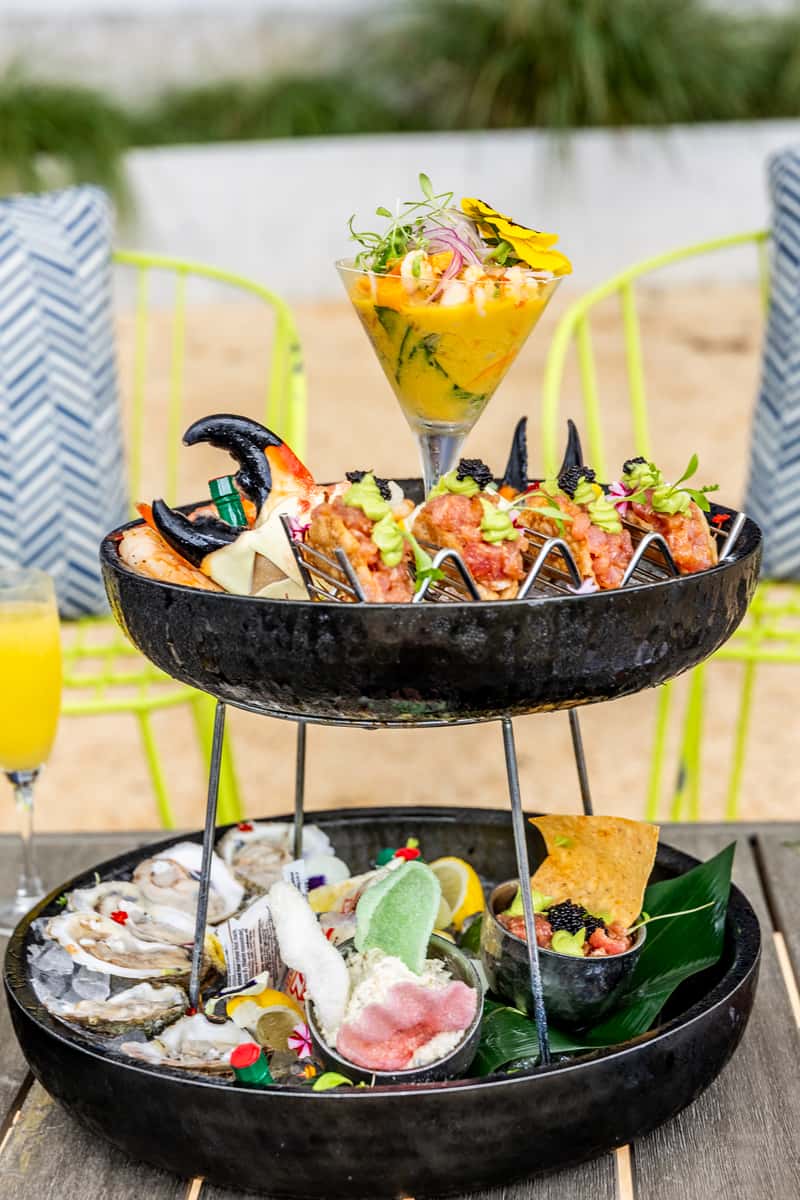
Yes, all-day dining and a raw bar at Bayshore Club can enhance your sense of place by anchoring each visit in the waterfront surroundings of Coconut Grove. The fresh format for oysters and clams holds over 41% market share globally, according to Future Market Insights, driven largely by raw bar and half-shell occasions. Bayshore Club's raw bar taps directly into this demand while connecting guests to the coastal character of Dinner Key.
From a morning brunch overlooking the water to happy hour between 4 PM and 6 PM with live bands, each daypart offers a distinct mood shaped by natural light, tidal rhythms, and the historic hangars that once housed Pan American's Clipper planes. Few venues can pair culinary quality with that kind of layered atmosphere.
What Are the Key Takeaways About Why Location Is Part of the Experience, Not an Afterthought We Covered?
The key takeaways about why location is part of the experience, not an afterthought, are:
Waterfront settings generate stronger positive emotions than other environments, directly influencing guest mood and satisfaction.
Historic sites like Dinner Key create narrative depth that transforms a meal into a multisensory event tied to place and memory.
Ambiance, architecture, and natural surroundings encode dining moments more deeply in long-term memory than food alone.
Brands that build identity around a specific setting, rather than treating location as interchangeable, cultivate stronger loyalty and destination appeal.
Culinary choices rooted in local ingredients and coastal traditions reinforce emotional attachment to the place itself.
Bayshore Club brings all of these principles together in Coconut Grove, making every visit feel less like dining out and more like arriving somewhere worth remembering.