
Why Sound Matters at Restaurants Near the Bay
Why Sound Matters at Restaurants Near the Bay
Sound at bayfront restaurants is the invisible force that shapes every part of a meal, from how well you hear your dining companion to how long you choose to stay and how much you spend. For waterfront venues in Coconut Grove, FL, the acoustic environment carries unique complexity because natural elements like wind and water blend with indoor dining noise to create a soundscape that demands deliberate management.
This guide covers how ambient sound influences the dining experience, the challenges bayfront restaurants face in controlling noise, design strategies that optimize acoustic quality, local expectations shaping sound preferences in Coconut Grove, and how waterfront venues like Bayshore Club approach these realities.
Ambient sound affects far more than background atmosphere. Acoustic discomfort cancels out other comfort investments, and noise ranks as the top complaint among restaurant diners nationally. When sound levels climb, the Lombard Effect kicks in; voices rise, conversations strain, and the entire dining environment degrades.
Bayfront locations contend with environmental variables that landlocked restaurants never encounter. Wind patterns, wave activity, and open-air layouts introduce unpredictable noise sources that complicate standard acoustic solutions. Elevated noise directly reduces dwell time and discourages additional orders, linking poor acoustics to measurable revenue loss.
Thoughtful design counters these challenges through material selection, architectural layout, and strategic seating. Most restaurant surfaces absorb only about 5% of reflected sound, leaving 95% bouncing through the space. Targeted acoustic treatment can capture up to 80% of those reflections, restoring conversational clarity.
Coconut Grove diners bring specific expectations shaped by the neighborhood's outdoor culture and waterfront identity. Visual and acoustic elements of waterscapes work together, making integrated soundscape design essential rather than optional.
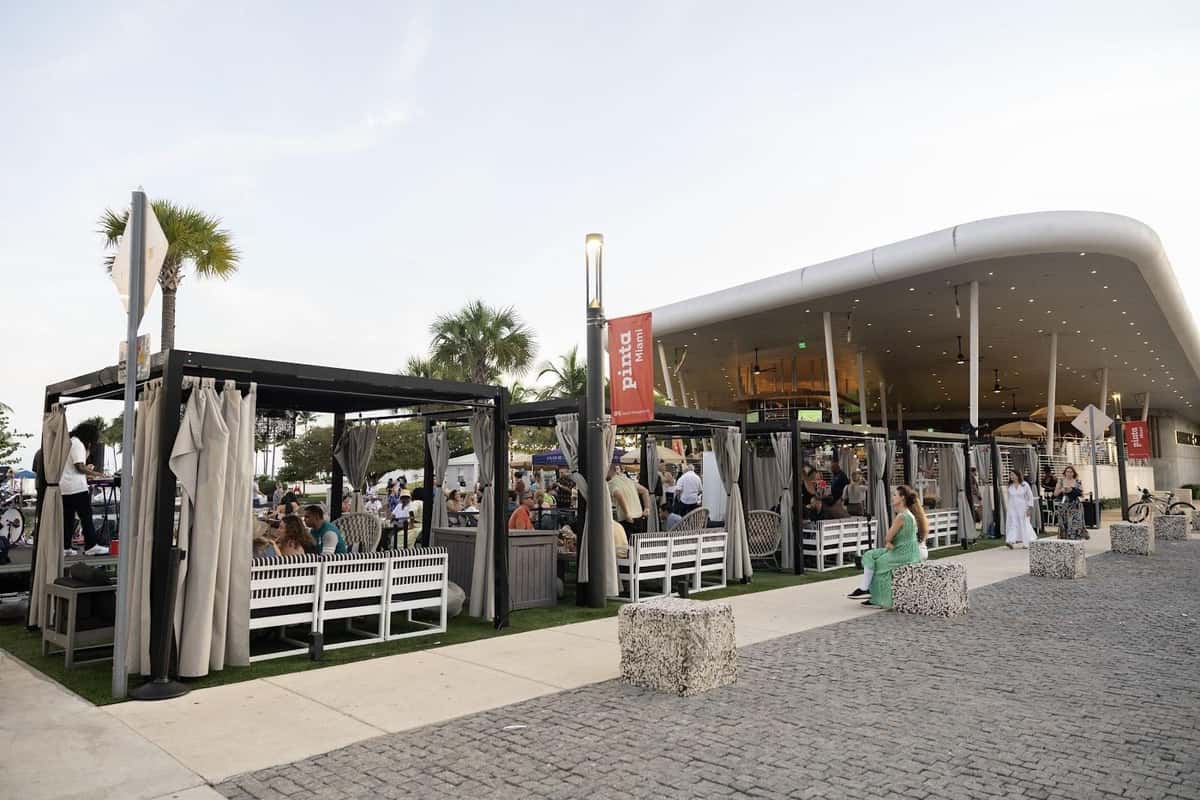
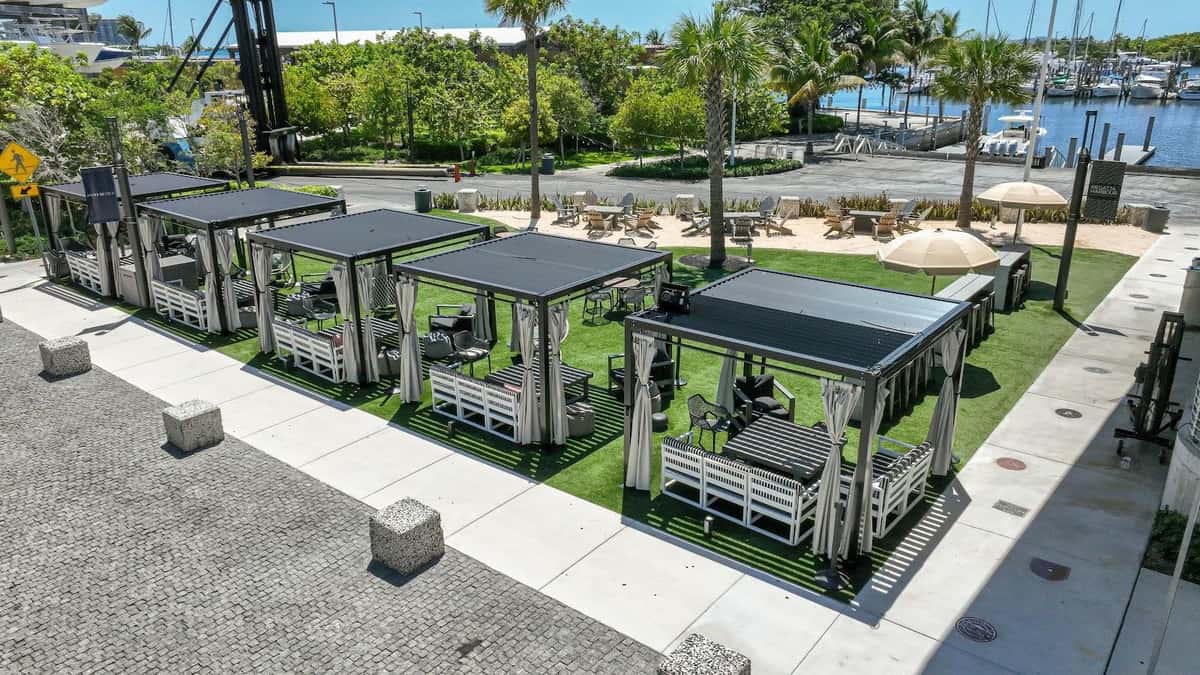
Bayshore Club addresses these dynamics through private cabanas, intentional table spacing, and acoustic separation between dining zones, preserving both conversation and the natural sounds of Biscayne Bay.
How Does Ambient Sound Affect the Dining Experience Near the Bay?
Ambient sound affects the dining experience near the bay by shaping comfort, mood, and conversation quality simultaneously. The following sections explore common waterfront sounds, how soundscapes influence appetite, and why achieving the right balance matters.
What Types of Sounds Are Common at Waterfront Restaurants?
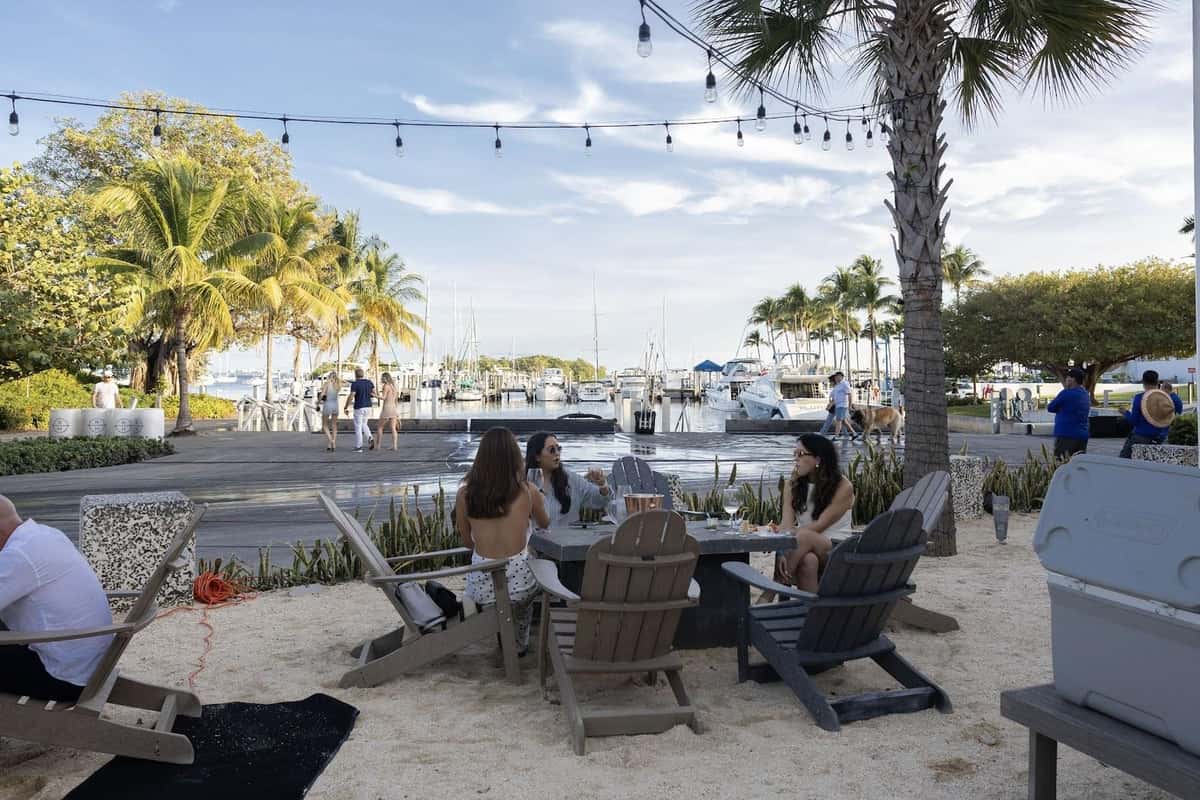
The types of sounds common at waterfront restaurants include natural elements like lapping waves, wind, and bird calls alongside operational noise from kitchens, neighboring tables, and background music. Visual and acoustic factors work synergistically in waterfront settings, where the presence of water features enhances the overall atmosphere. However, not all sounds contribute positively. According to a 2021 study published in the Journal of Small Business Strategy, unpleasant sounds in restaurant settings erode customer satisfaction, and noise complaints have been accelerating across the industry. Background sounds, physical sounds, and situational noise all shape how diners perceive their experience. Managing which sounds reach the table, rather than eliminating sound entirely, is what separates a memorable waterfront meal from a frustrating one.
How Can Soundscapes Influence Mood and Appetite?
Soundscapes influence mood and appetite by triggering emotional and physiological responses that alter how diners perceive food and their surroundings. Gentle, rhythmic water sounds promote relaxation, which encourages guests to linger and order more. Conversely, harsh or unpredictable noise elevates stress, reducing both comfort and willingness to eat. Acoustic discomfort can even cancel out the positive effects of other design elements; a 2019 study in Applied Ergonomics found that extra ambient sound negated the benefits of comfortable seating on the overall hospitality experience. For waterfront venues, this means curating a soundscape where natural bay sounds complement, rather than compete with, the dining atmosphere. Thoughtful sound curation is one of the most underestimated tools for shaping guest satisfaction.
Why Is Sound Balance Important for Comfort and Conversation?
Sound balance is important for comfort and conversation because excessive noise forces diners to raise their voices, creating a self-reinforcing cycle of escalating volume. The human ear can tolerate up to 2.0 seconds of echo; any reflections lasting longer generate unwelcome background noise, blurred signals, and strained conversation across tables. A 2019 survey using the SoundPrint smartphone app collected data from 2,376 restaurants and bars, revealing widespread noise issues with many establishments exceeding optimal acoustic comfort levels. Restaurants that have addressed this problem see measurable results: acoustic refurbishments have been shown to significantly reduce dissatisfaction with overall noise while improving reverberation time, speech clarity, and sound pressure levels. Prioritizing sound balance protects the one thing diners value most at a waterfront setting: the ability to enjoy conversation without strain.
With the acoustic landscape defined, the next step is understanding what makes controlling sound near the bay uniquely challenging.
What Are the Main Challenges of Controlling Sound in Bayfront Restaurants?
The main challenges of controlling sound in bayfront restaurants involve unpredictable environmental factors, noise pollution effects on diners, and the need for targeted acoustic solutions. Each of these areas demands a different strategy.
How Do Environmental Factors Like Wind and Water Impact Acoustics?
Environmental factors like wind and water impact acoustics by introducing variable, uncontrollable sound sources that shift in intensity throughout the day. Wind gusts carry sound unpredictably across open dining areas, while wave activity and boat traffic layer constant low-frequency noise beneath conversation. These waterfront-specific conditions make standard indoor acoustic approaches insufficient on their own. According to a 2022 study in Applied Acoustics, visual and acoustic factors in waterscapes work synergistically, meaning the dynamic interplay of water movement and ambient sound directly shapes how diners perceive their environment. Higher noise levels from these combined sources increase stress and reduce customer comfort, causing guests to spend less time seated and order fewer additional items.
What Problems Can Noise Pollution Cause for Diners?
Noise pollution can cause diners to struggle with conversation, experience elevated stress, and ultimately cut their visits short. According to surveys by both Zagat and Consumer Reports, noise is the number one complaint among restaurant diners, with 65% of respondents reporting that it is often difficult to hear friends while dining out. When background noise overwhelms a waterfront space, guests lose the ability to connect over a meal. This erosion of conversational comfort has real consequences: diners are less likely to linger, less inclined to order dessert or another round of drinks, and more likely to leave dissatisfied. For bayfront restaurants, where ambient environmental sound already runs higher than enclosed venues, unmanaged noise pollution compounds quickly during peak hours.
What Are Effective Solutions for Reducing Unwanted Noise?
Effective solutions for reducing unwanted noise in bayfront restaurants combine overhead acoustic treatment, strategic spatial design, and material selection. Key approaches include:
- Acoustic ceiling panels covering 60 to 80% of overhead space, which is the expert-recommended range for achieving meaningful noise reduction while preserving visual design integrity, according to a 2025 report by New York Soundproofing.
- Strategic seating arrangements that create acoustic separation between dining groups.
- Sound-absorbing materials such as upholstered furniture, soft wall panels, and fabric elements that dampen reflections.
- Windbreak structures and semi-enclosed zones that buffer environmental noise from open water.
For waterfront venues specifically, layering these passive treatments with thoughtful layout planning often proves more practical than relying on any single solution. With sound challenges identified, the next step is designing spaces that actively optimize acoustic quality.
How Can Restaurant Design Optimize Sound Quality Near the Bay?
Restaurant design optimizes sound quality near the bay through architectural features, strategic material selection, and outdoor space planning. Most restaurants absorb only 5% of reflected sound, so intentional acoustic design is essential for waterfront venues.
What Architectural Features Help Control Acoustics?
Architectural features that help control acoustics include strategic table arrangements, booth configurations, ceiling treatments, and spatial zoning. Upholstered booths and partitioned seating areas naturally dampen noise by breaking up sound wave paths between dining groups. Ceiling-mounted acoustic panels prove especially effective; at Harwood on Hudson, an upscale waterfront restaurant in New York, color-matched fabric panels flush-mounted to the ceiling captured 80% of unwanted reflections, forcing echoes to decay within 1.5 to 2.0 seconds, according to a 2018 NetWell Noise Control case study. Custom shapes, printed fabrics, and sculptural ceiling installations allow these functional elements to enhance visual design rather than compromise it. For bayfront restaurants, where open layouts amplify reflected noise, thoughtful spatial geometry is the first line of acoustic defense.
How Do Outdoor Spaces Affect Sound Management?
Outdoor spaces affect sound management by eliminating the enclosed surfaces that cause reverberation, while introducing environmental variables like wind and crowd density. Without walls and ceilings to reflect sound, open-air patios dissipate noise naturally, yet speech intelligibility becomes a different challenge. According to a 2023 European Acoustics Association study, high-frequency background noise of just 45 dBA masks the high-frequency content of speech at normal vocal effort. The minimum absorption area per person should be 4 square meters for sufficient acoustical quality in dining settings. Emerging active noise suppression technology, using RTA microphones paired with point source speakers, offers new options for managing ambient noise in semi-enclosed outdoor areas. For waterfront venues, balancing natural bay sounds with conversational clarity requires deliberate zone planning between covered and open sections.
Why Should Materials Selection Matter for Acoustic Comfort?
Materials selection matters for acoustic comfort because surface composition directly determines how much sound a room absorbs versus reflects. According to a 2025 Acoustic Bulletin report, hospitality spaces should target an average room absorption coefficient of 0.7 to 1.0 and a reverberation time under 0.7 seconds. Effective sound-absorbing materials include:
- Upholstered seating that absorbs mid-frequency reflections at guest level
- Acoustic ceiling tiles or baffles that capture overhead sound energy
- Area rugs that reduce floor-level reflections on hard surfaces
- Soft wall panels that break up lateral sound paths
- Curtains or hanging fabric elements that add absorption without permanent installation
These materials work together to prevent the cascading noise buildup that makes conversation stressful. Prioritizing acoustic-grade finishes during the design phase, rather than retrofitting later, consistently delivers better results at lower cost.
How Do Local Preferences and Expectations Shape the Role of Sound in Coconut Grove?
Local preferences and expectations shape the role of sound in Coconut Grove through the neighborhood's waterfront identity, outdoor dining culture, and demand for relaxed yet refined atmospheres. The following sections explore what diners value acoustically and how local culture drives soundscape decisions.
What Do Bay Area Diners Value Most in Their Acoustic Environment?
Bay area diners value conversational clarity, natural water sounds, and an acoustic environment that feels open without becoming overwhelming. In waterfront settings like Coconut Grove, visual and acoustic factors work synergistically to create preferred soundscape environments, according to a 2022 study published in Applied Acoustics. This means guests expect the sound of lapping waves and gentle breezes to complement, not compete with, their conversations.
Sufficient absorption area per person is essential for this balance. When absorption area drops below recommended thresholds, the Lombard effect forces diners to raise their voices, eroding the relaxed atmosphere Coconut Grove guests seek. Notably, meeting technical reverberation standards alone does not guarantee satisfaction; diners often express discontent even in code-compliant spaces.
For waterfront venues, the investment in acoustic quality reflects a broader industry trend. The global acoustic design services market for restaurants reached USD 1.43 billion in 2024. Coconut Grove diners, accustomed to premium outdoor experiences, are especially attuned to whether a venue gets this balance right.
How Does Local Culture Influence Soundscape Choices?
Local culture influences soundscape choices in Coconut Grove by prioritizing a laid-back, tropical ambiance rooted in the neighborhood's bohemian and maritime heritage. Unlike high-energy urban dining districts, Coconut Grove favors gentle background music, natural environmental sounds, and unhurried conversation as the dominant acoustic layers.
This cultural expectation shapes practical decisions for waterfront restaurants. Venues tend to incorporate live bands over amplified electronic music, soft material finishes over hard reflective surfaces, and open-air layouts that let Biscayne Bay's natural soundscape blend into the dining experience. The neighborhood's walkable, village-like character reinforces a preference for intimate acoustic zones rather than cavernous, reverberant spaces.
Coconut Grove's blend of history, waterfront proximity, and eclectic community creates a sonic identity that restaurants must respect to meet guest expectations. Understanding these cultural cues is what separates a forgettable meal from a memorable one along the bay.
How Should You Approach Sound at Waterfront Restaurants Like Bayshore Club?
You should approach sound at waterfront restaurants like Bayshore Club by seeking venues that balance natural bay acoustics with intentional design. The following sections explore how Bayshore Club's spaces enhance the sonic experience and summarize the key takeaways covered throughout this article.
Can Bayshore Club's All-Day Dining and Outdoor Spaces Enhance the Sonic Experience?
Yes, Bayshore Club's all-day dining and outdoor spaces can enhance the sonic experience. Located on the historic Dinner Key waterfront in Coconut Grove, Bayshore Club uses private cabanas, thoughtful table spacing, and strategic seating arrangements to create distinct acoustic zones. These layout choices manage sound flow between dining groups, preserving conversational privacy even during peak happy hour from 4 PM to 6 PM. The pet-friendly patio on the water allows natural bay sounds to serve as a calming backdrop rather than a source of noise buildup. From weekend brunch through sunset cocktails, each setting shifts the soundscape to match the moment. Few waterfront restaurants treat acoustic separation as deliberately as a core part of the guest experience.
What Are the Key Takeaways About Why Sound Matters at Restaurants Near the Bay We Covered?
The key takeaways about why sound matters at restaurants near the bay are rooted in how acoustics shape comfort, conversation, and spending behavior. According to a 2019 study published in Acoustics Today, sound level surveys from 2,376 restaurants showed widespread noise issues across the industry, with many establishments exceeding optimal comfort levels. Throughout this article, several core lessons emerged:
- Sound pressure levels are directly tied to reverberation time, room volume, absorption area, and occupancy density.
- Waterfront environments introduce unique variables like wind and water reflections that demand intentional design responses.
- Material selection, seating layout, and acoustic zoning collectively determine whether diners can hold a comfortable conversation.
- Venues that invest in sound management see measurable returns in guest satisfaction and dwell time.
Bayshore Club demonstrates that a waterfront restaurant can transform acoustic challenges into advantages through strategic design, private seating, and spaces that let Biscayne Bay's natural soundscape complement the dining experience rather than compete with it.